Hindu mythology is brimming with fascinating stories of gods and demons, each one weaving together to form an intricate tapestry. One particularly captivating tale is that of Shiva and the demon Gajasura. This story sheds light on Shiva’s dual nature—both fierce and compassionate—and his pivotal role in maintaining balance in the universe.
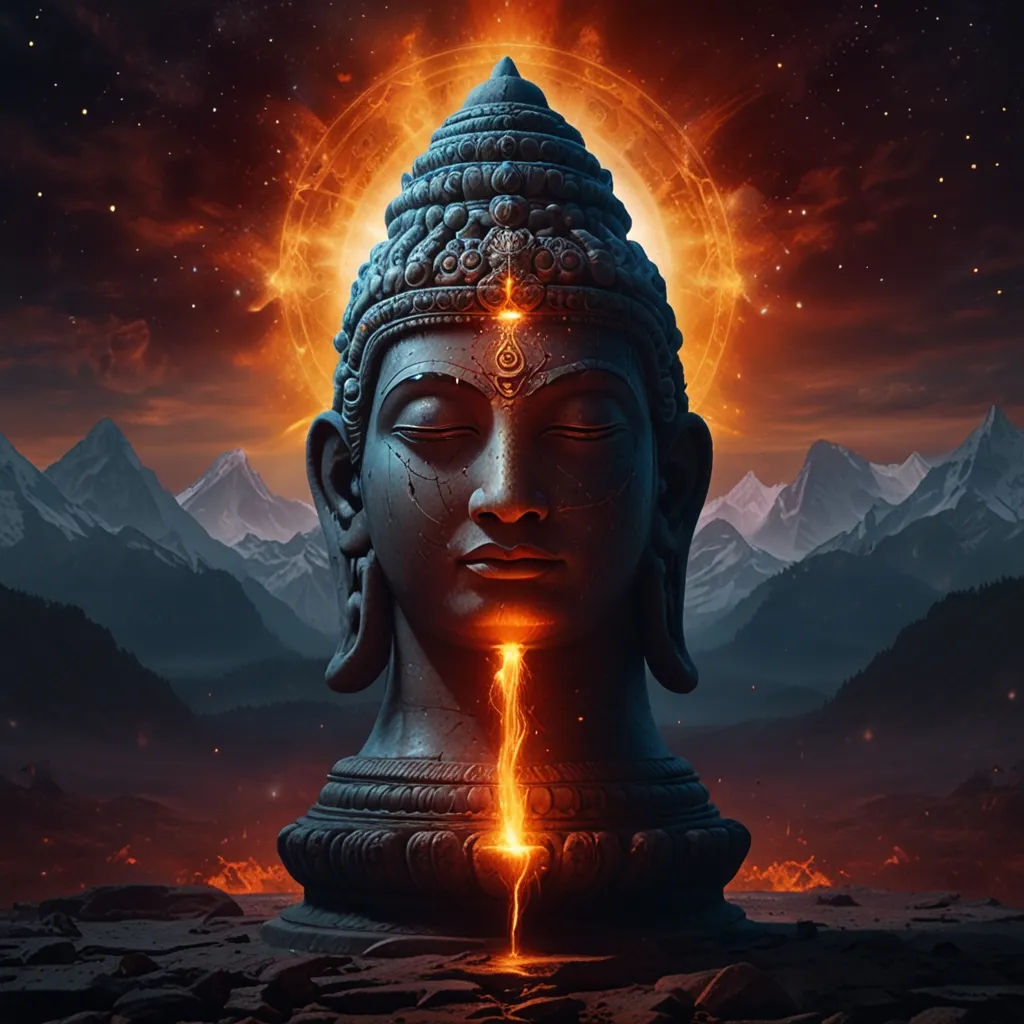
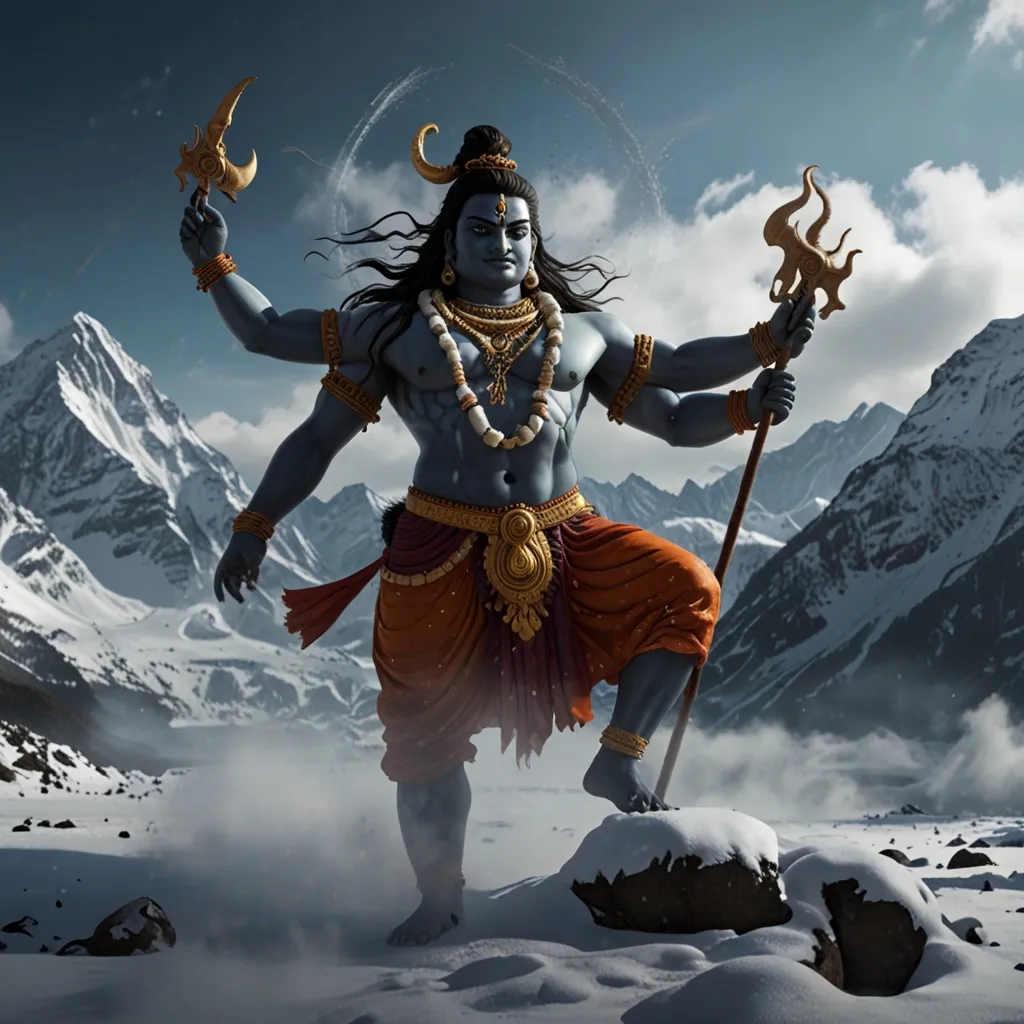
Shiva is often seen as the ultimate destroyer, but he’s also known for his immense compassion. He’s the god chilling atop Mount Kailash, surrounded by snowy peaks, yet his influence reaches every nook and cranny of the universe. From being a stern ascetic yogi to a wild demon slayer, the stories about Shiva are as varied as the forms he takes.
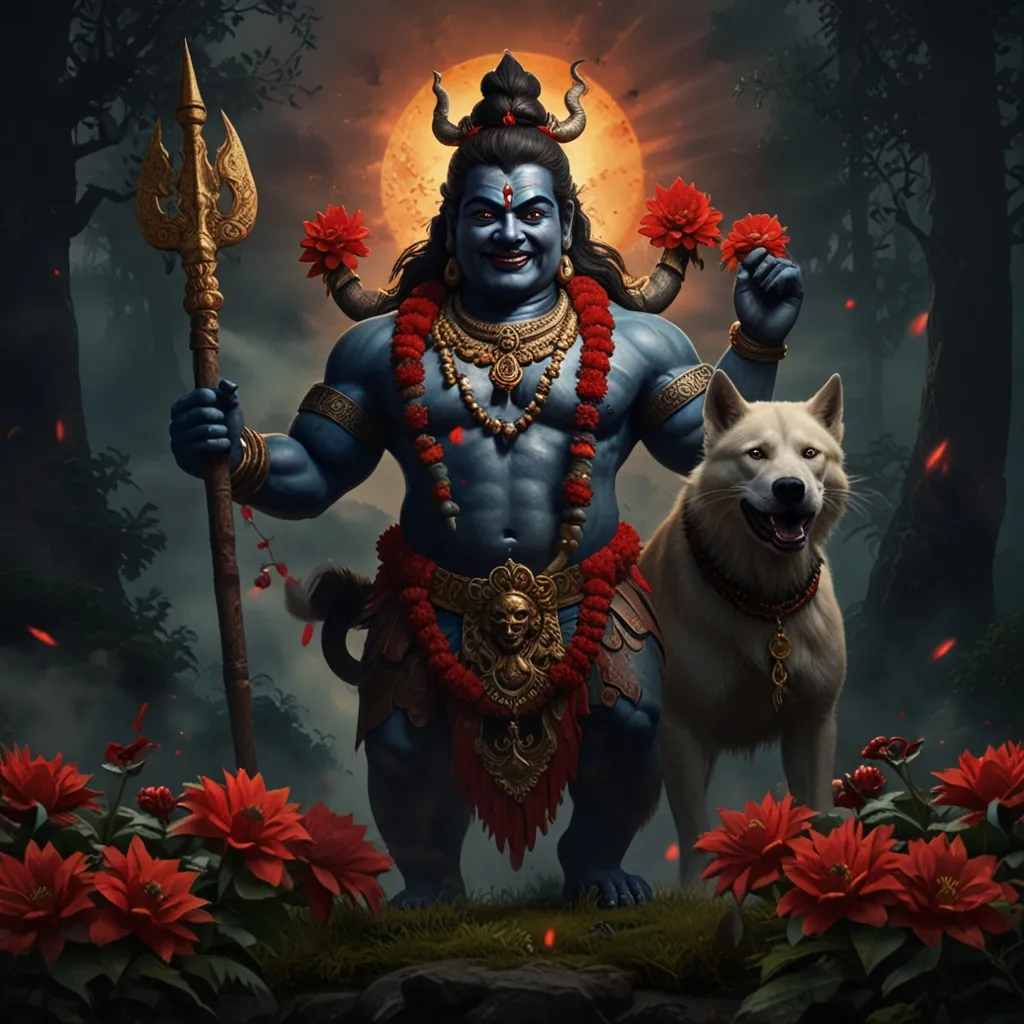
Gajasura was no ordinary demon; he was a powerhouse. This mighty demon could morph into a giant elephant, hence his name “elephant demon.” He was tight with Andhaka, another fearsome demon. Gajasura decided to perform an intense penance to gain Shiva’s favor. Picture this: he stood on one leg, body smeared in ash, eyes fixed on the heavens—totally committed.
His dedication freaked out the gods. They knew that if Gajasura’s penance paid off, he’d become nearly unstoppable. And of course, Shiva was aware of all this. He showed up looking as fierce as ever, eyes blazing, but Gajasura didn’t flinch. Shiva was so impressed by the demon’s determination that he decided to grant him a boon.
Gajasura asked for immortality, but Shiva, who’s wise to the cosmic game, offered a twist. He told Gajasura he’d be immortal as long as he stayed in his elephant form. Gajasura thought he’d hit the jackpot and accepted the offer.
But here’s the kicker: Shiva had a plan. Knowing that Gajasura’s immortality would mess up the universe’s balance, Shiva decided to trick him. He asked the demon if he could enter his stomach, and Gajasura, feeling pretty invincible, agreed.
Inside Gajasura’s stomach, Shiva started to dance—a dance so powerful that it made Gajasura’s body expand until it burst open. Emerging victoriously, Shiva still showed his compassionate side. He granted Gajasura one last wish.
Gajasura, getting the wake-up call of a lifetime, asked to become part of Shiva’s body. Shiva agreed and transformed the demon into a part of himself. From that day on, Gajasura became a part of Shiva, symbolizing the god’s power to absorb and transform even the strongest demons.
This story is a perfect example of the complex nature of Hindu mythology. It shows how Shiva, the destroyer, can also be benevolent, turning even the darkest forces into something positive. It’s a tale of balance and harmony, showing how Shiva keeps the universal scales in check.
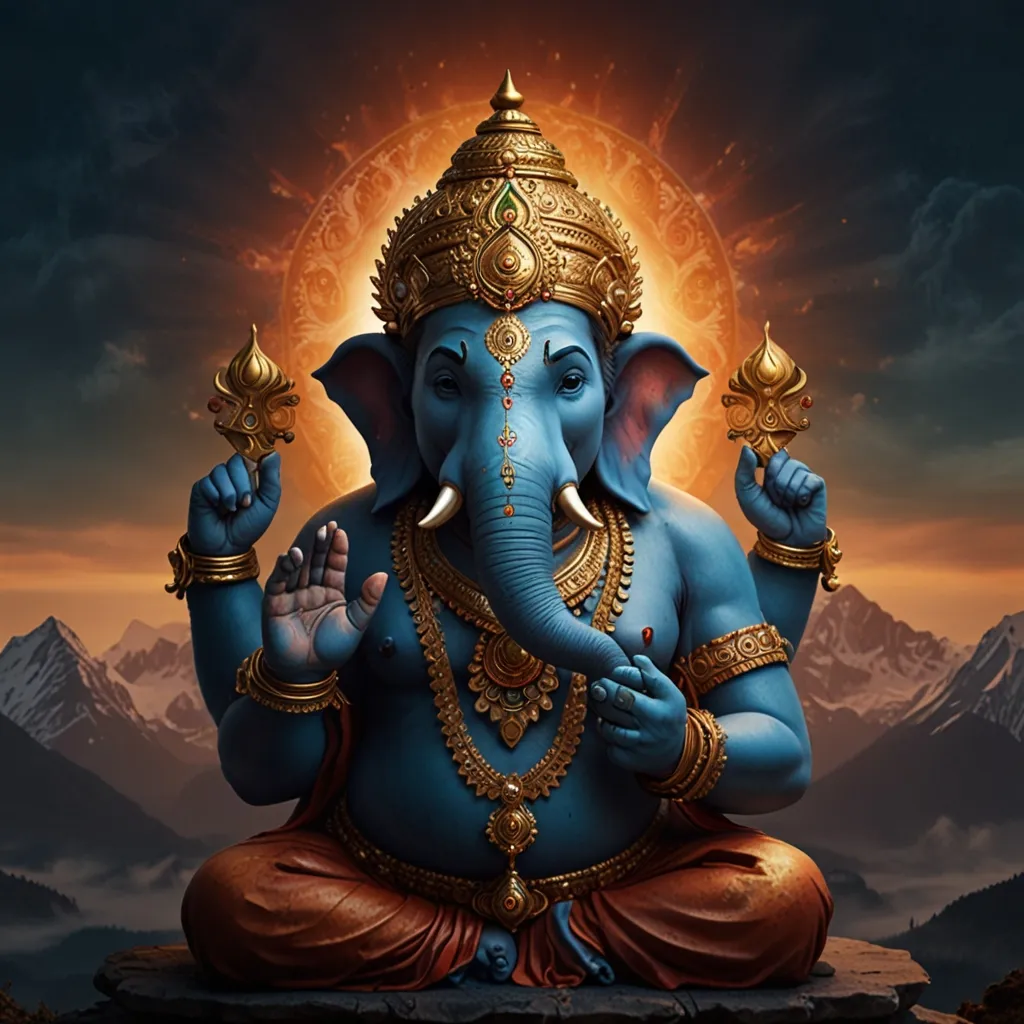
Alongside these epic adventures, Shiva is often depicted with his wife Parvati and their sons, Ganesha and Kartikeya. Ganesha, the remover of obstacles, and Kartikeya, the warrior, represent Shiva’s immense protective powers.
Shiva’s stories aren’t just about mythical events; they’re also spiritual guides. They teach how to overcome life’s hurdles through sheer devotion and determination. Shiva’s teachings help peel back the illusions of life, steering one towards true peace and enlightenment.
So, the story of Shiva and Gajasura isn’t just a cool tale; it’s a profound reminder of Shiva’s role in keeping the universe balanced. It shows that even the mightiest demons can be redeemed and transformed through Shiva’s grace. These stories, like many in Hindu mythology, remind us of the importance of staying devoted, determined, and aiming for spiritual enlightenment.