What Can a Dancing Demon Teach Us About Wisdom and Power?
When Arrogant Ambition Turns to Ashes: The Cautionary Tale of Bhasmasura

In Hindu mythology, there are some just fantastic stories that pack serious life lessons. One such tale is about Bhasmasura, a demon whose unchecked ambitions led to his downfall, showcasing the need for wisdom when wielding power.
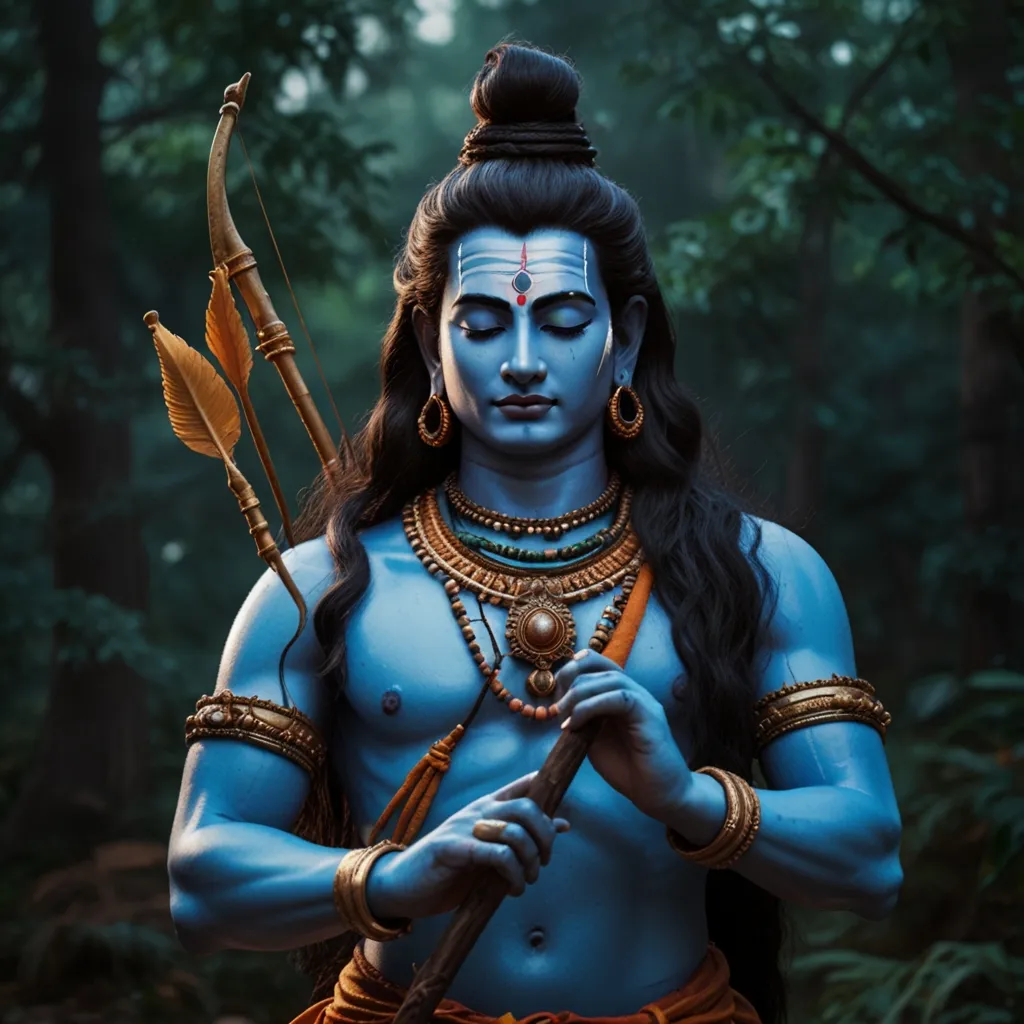
Bhasmasura was an asura, basically a demon, who was desperate to be the universe’s most powerful being. The guy did some extreme penance to please Lord Shiva, who’s known for his generosity. This went on for years, with Bhasmasura offering up parts of his own body to the fire. Eventually, his dedication reached Shiva.
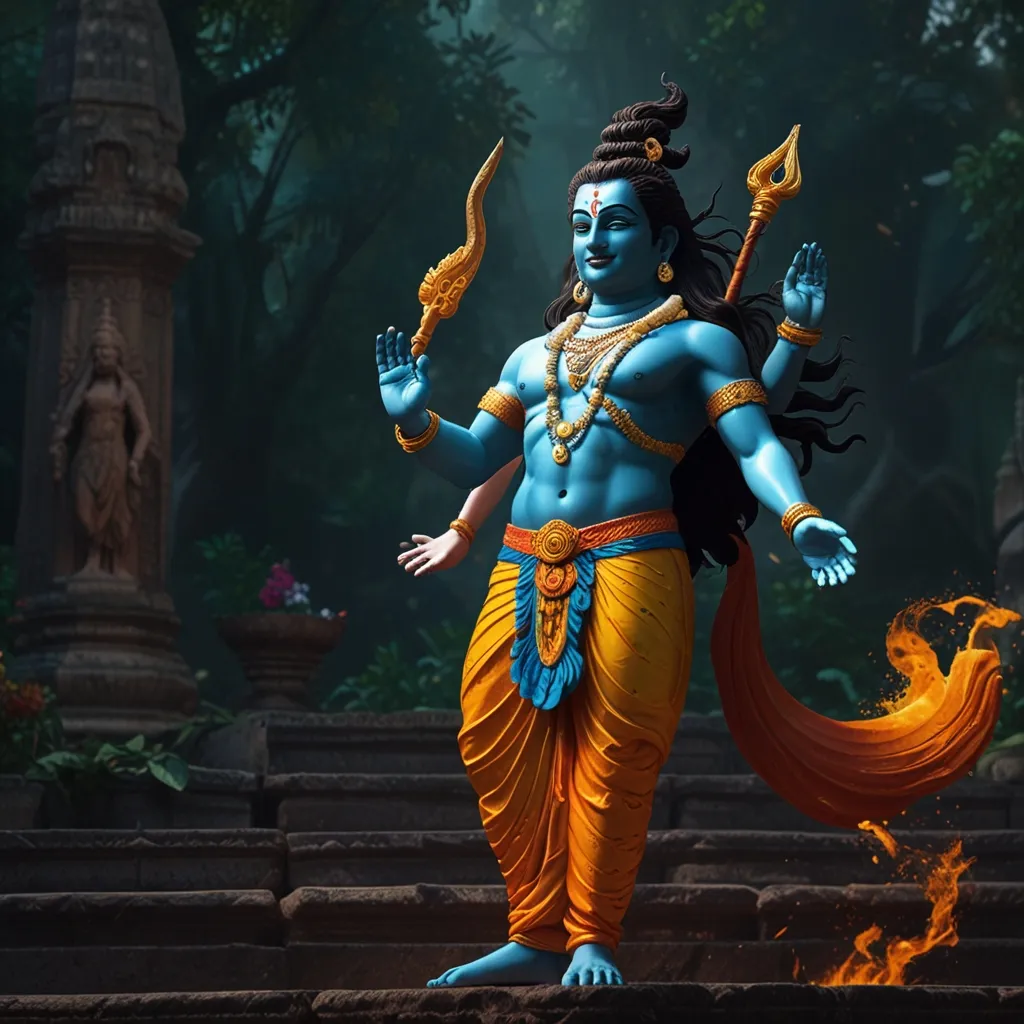
Impressed, Lord Shiva appeared before Bhasmasura, ready to grant him a wish. Bhasmasura, of course, asked for something insane—the ability to burn anyone to ashes by simply touching their head. Shiva, being the kind and forgiving deity that he is, granted this boon without a second thought.
With this crazy new power, Bhasmasura went on a rampage, destroying everything and everyone in his path. His arrogance grew, and soon enough, he decided he wanted to use his power on the very god who gave it to him—Lord Shiva.
Realizing the danger, Shiva bolted to the mountains and sought Vishnu’s help. Vishnu, who’s famous for his cleverness, transformed into Mohini, a stunning, enchanting woman.
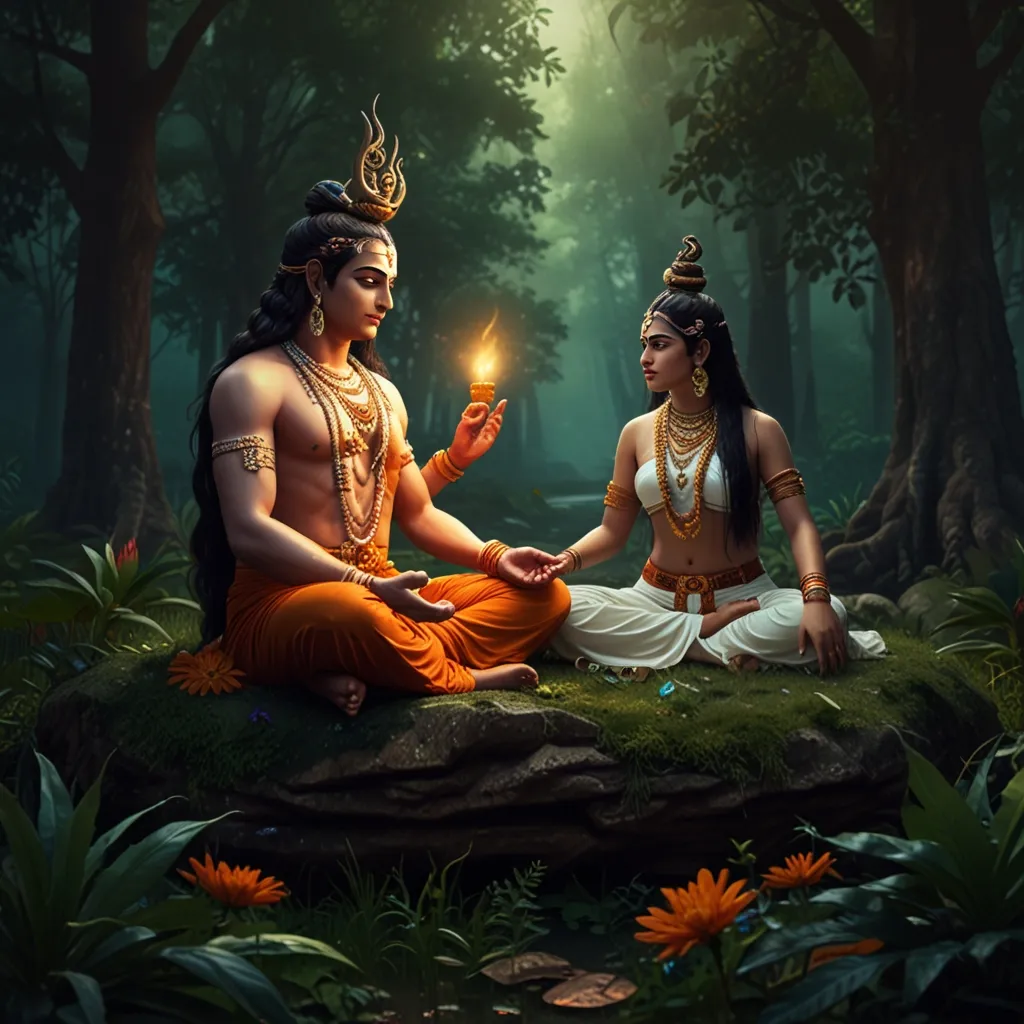
Bhasmasura, seeing Mohini, was completely smitten. He begged her to marry him. Mohini, smiling, agreed but added one condition: he had to match her dance skills. Bhasmasura, thinking it was no big deal, agreed and started learning to dance.
Mohini began teaching him, and as they danced, she placed her hand on her head. Bhasmasura, eager to mirror her every move, did the same. The moment his hand touched his head, he was turned to ashes, ending his reign of terror.
The world sighed in relief. Shiva was grateful to Vishnu for the help, and Mohini vanished, mission accomplished. This tale is celebrated in various forms of dance and art in India, with the signature Bhasmasura pose serving as a reminder of its lessons.
Bhasmasura’s story underscores the dangers of unchecked ambition. It shows that real strength isn’t just about power, but also about intelligence and cunning. The tale highlights that arrogance can lead to one’s downfall and that true heroes often wield their power with wisdom and humility.
Hindu mythology, rich with these narratives, continues to inspire. This story of Bhasmasura reminds us that having power isn’t enough; it’s about using it wisely. And in the end, humility and wisdom always trump brute force.