The Vedas and Upanishads are like treasure chests of spirituality in Hinduism. These ancient texts are packed with wisdom, each bringing its own flavor to the table, but they both aim to guide folks on their spiritual journeys. Let’s break down what makes these texts tick and how they connect.
The Vedas are the OG of Hindu scriptures, dating way back to between 1200 and 400 BCE. In Sanskrit, “Veda” means “knowledge,” and they are broken into four categories: Rigveda, Yajurveda, Samaveda, and Atharvaveda. Each category is further split into sections like Samhitas, Brahmanas, Aranyakas, and Upanishads.
The Samhitas are all about hymns and mantras. The Brahmanas explain rituals and sacrifices. The Aranyakas are focused on meditation and spiritual practices. Then, you have the Upanishads within the Vedas, which dive into deep philosophical waters. The Vedas were passed down orally for generations before they were ever written, making them a solid foundation of ancient wisdom, touching on everything from rituals to cosmology.
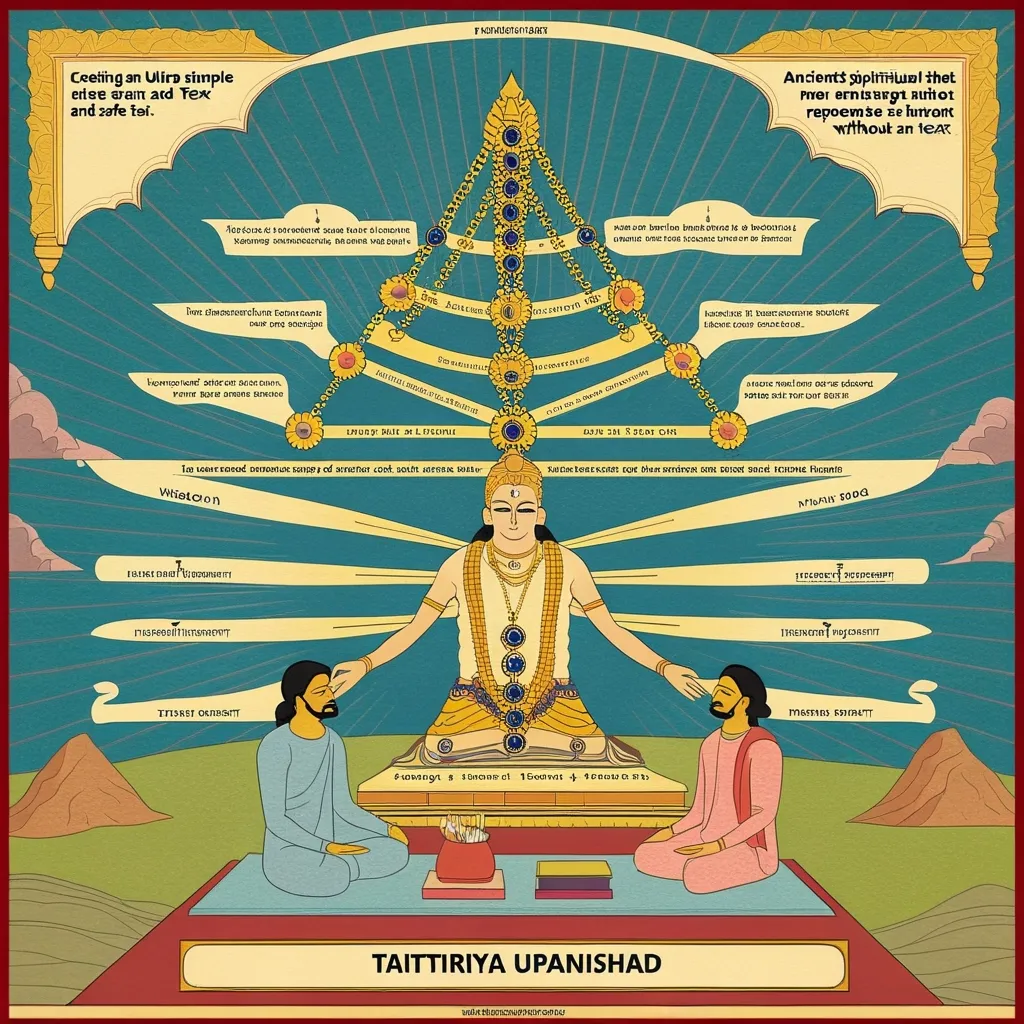
The Upanishads, on the other hand, are the philosophical segment of the Vedas, composed between 700 and 400 BCE. Essentially, “Upanishad” means “to sit down near,” pointing to the tradition of learning profound truths from a guru. These texts dwindle down into themes about reality, self, existence, and consciousness.
There are over 180 Upanishads, but 13 stand out as particularly important. Some names to remember are Brihadaranyaka, Chandogya, Taittiriya, Kena, and Katha. Unlike the Vedas, which are geared toward ritualistic practices, the Upanishads are more about self-realization and attaining spiritual enlightenment through meditation and contemplation.
So, how do the Vedas and Upanishads differ? The Vedas are mainly about rituals and ceremonies— how to perform them, why they matter, and what they mean. They laid the groundwork for religious practices in ancient India. The Upanishads, in contrast, dive deep into spirituality and philosophy, pondering big questions about the universe and ultimate reality.
But despite these differences, the Vedas and Upanishads are closely connected. The Upanishads are the final portion of each Veda, building on the practical knowledge offered by the Vedas and stepping into the realm of philosophical exploration. Together, they cover both the ritualistic and philosophical sides of Hinduism.
While different in focus, both the Vedas and Upanishads are revered for their wisdom and spiritual insights, sharing a common goal of guiding one towards understanding the universe and their place in it. They’re like two halves of a whole, offering practical and philosophical guidance that continues to inspire millions around the globe.
The Vedas and Upanishads, though distinct in their teachings, complement each other beautifully. The Vedas lay the groundwork, giving practical advice, while the Upanishads take it a step further into the realms of deep thought and spiritual enlightenment.