The concept of Atman in Hinduism is a big deal when trying to understand who we are and how the universe works. Atman is seen as our eternal, true self, sitting quietly within us all, beyond the surface stuff like our body and mind. Think of it as the pure essence of who we are. The Upanishads, ancient philosophical texts, dig deep into these ideas.
The Upanishads describe Atman as the ultimate essence of everything in the universe, like a vital breath that never dies. It’s unchanging and eternal, unlike our physical selves. Atman is the core observer of our experiences, staying detached and pure. This idea makes Atman special and gives it a divine touch.
A big conversation in these texts revolves around Atman and Brahman, the universal reality. Some texts say Atman and Brahman are the same, while others argue they’re different but connected. This sparked many theories within Hinduism. The Brahmasutra, another important text, ties it all together, suggesting they are the same at the highest level of realization.
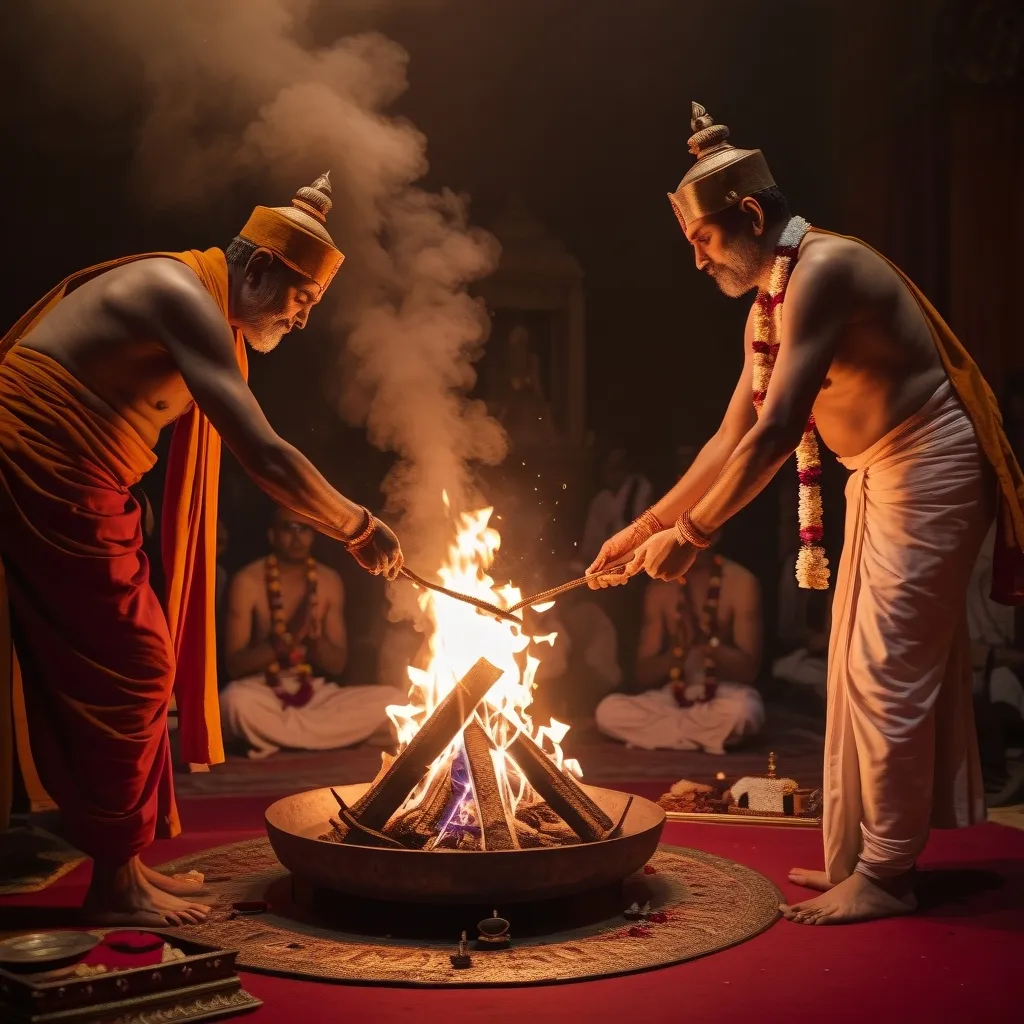
One vivid analogy from the Brihadaranyaka Upanishad compares Atman to a fire changing forms based on what it burns. This shows Atman’s various manifestations in different individuals. It emphasizes that Atman is the essence making everything else function, just like Brahman powers the universe.
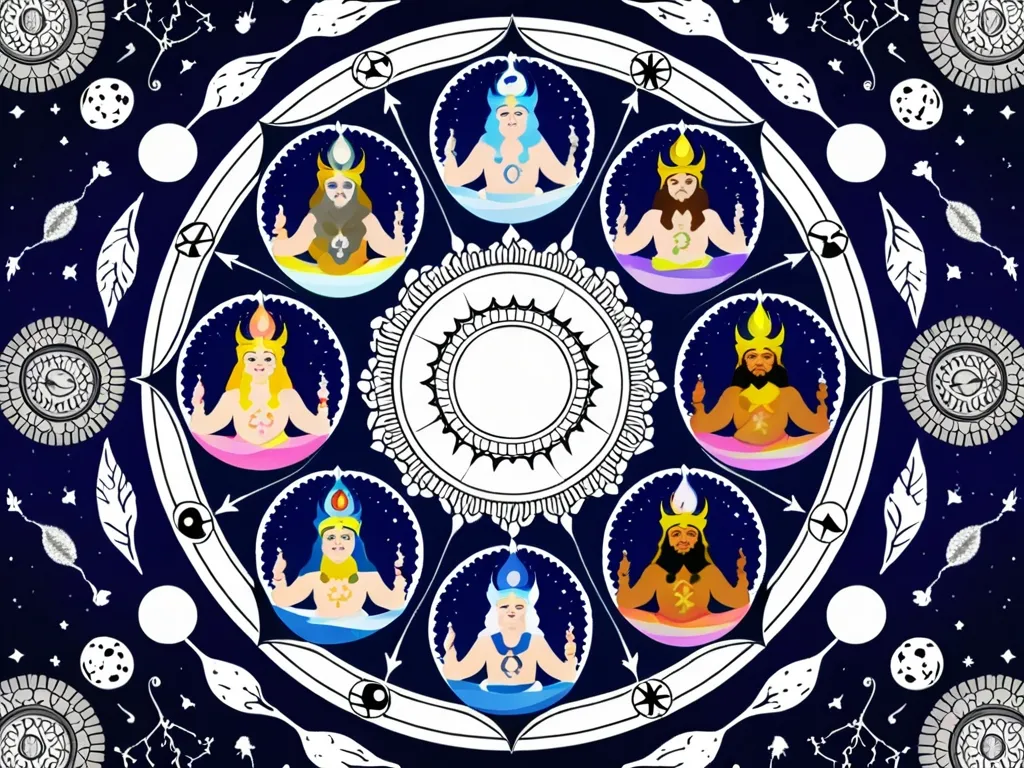
There’s also a take from the Vaisheshika school, which views Atman as one of four eternal, non-physical substances, along with time, space, and mind. They argue that Atman is independent and can’t be broken down or derived from anything else, showing its unique and essential nature.
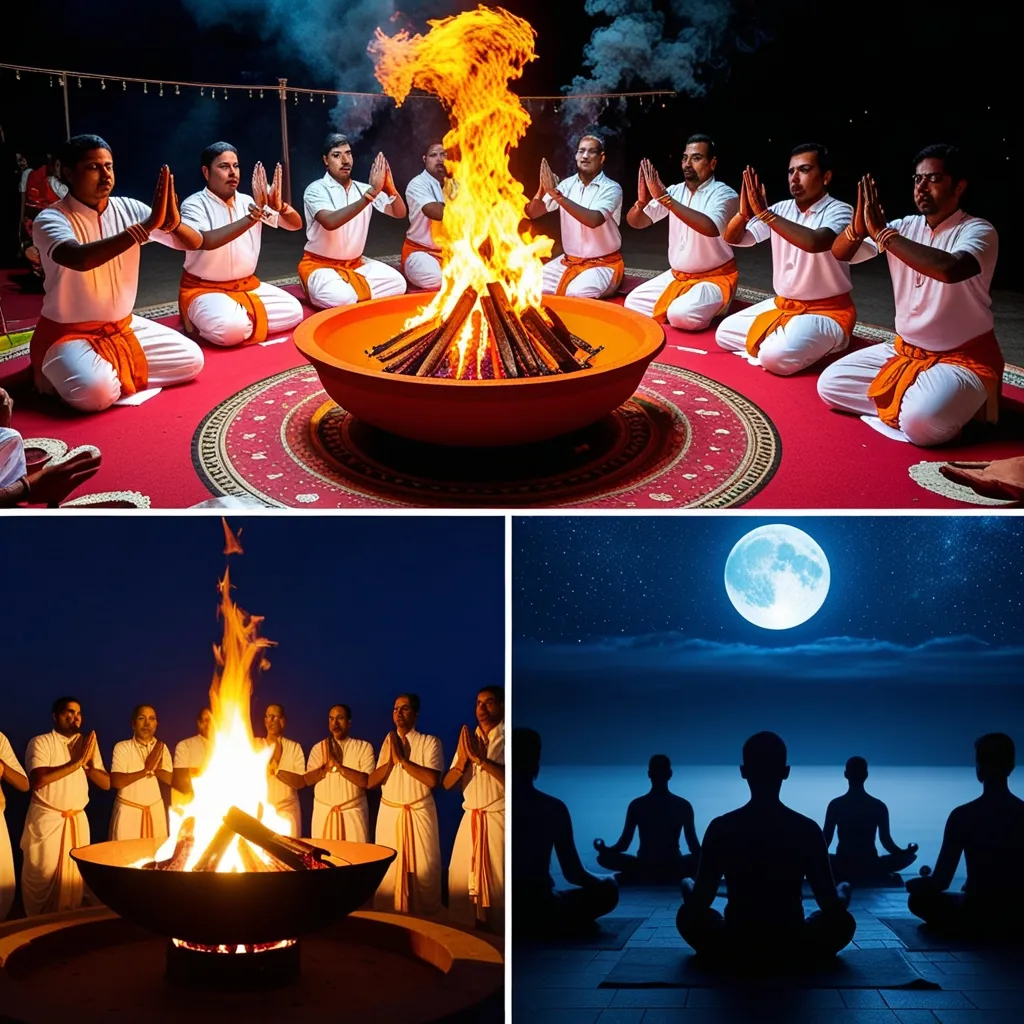
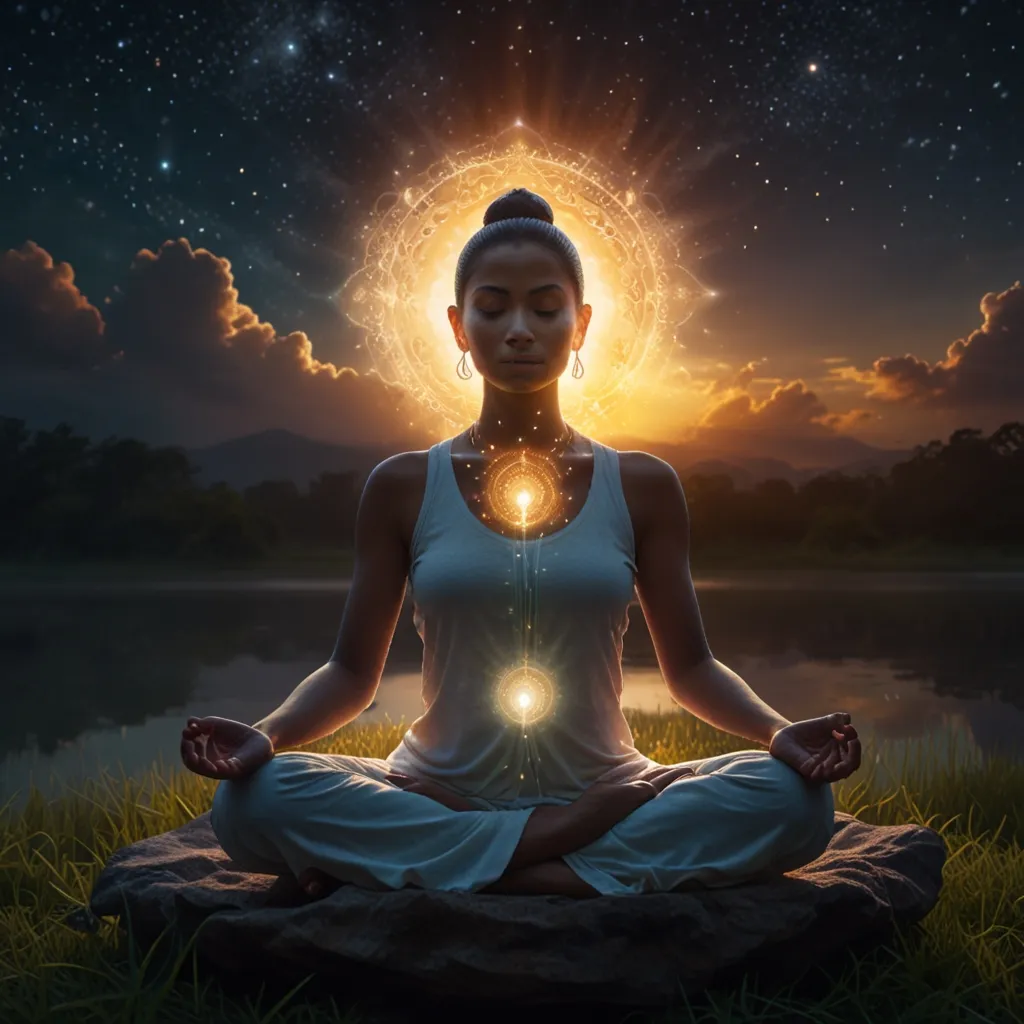
In everyday life, the Upanishads give advice on how to experience Atman directly. They recommend practices like yoga and meditation to help see beyond the body and mind. By calming the senses and the mind, we can strip away ignorance and see our true nature. This realization is key to achieving Moksha, or liberation from the cycle of birth and death.
Atman isn’t just a lofty idea; it’s about living these insights. It encourages deep self-questioning: “Who am I?” and “Why am I here?” Answers to these questions can guide us to a better understanding of ourselves and our place in the world, leading to self-realization and ultimate freedom.
In a nutshell, Atman is our eternal, true core, connecting the individual self to the universal, opening paths to deep, transformative understanding. The teachings of the Upanishads help us embark on a journey to uncover and live this profound truth.