The Isha Upanishad is one of Hinduism’s most powerful and ancient texts, packing deep insights into the nature of the universe, the self, and the ultimate reality into just seventeen or eighteen verses. Despite its brevity, this text dives deep into the relationship between humans, nature, and the divine.
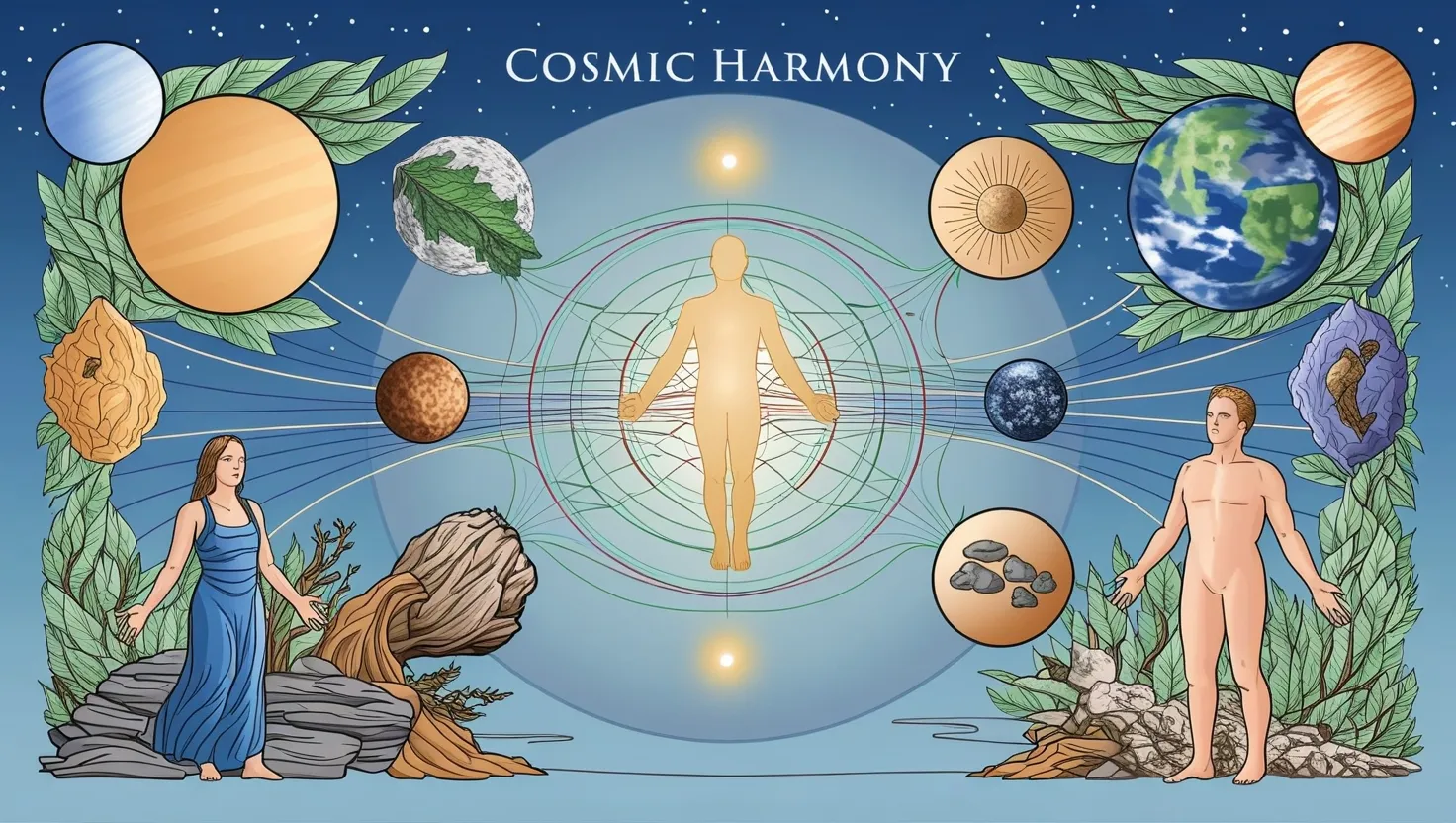
The opening verse is a banger: “That is full. This is full. From the full comes the full. Remove the full from the full and what remains? The full.” It’s a simple yet profound way of saying everything in the universe is part of a larger, perfect whole. It’s all interconnected and complete in itself.
Mahatma Gandhi even said that if all other Hindu scriptures were lost but this verse survived, Hinduism would remain intact. That’s how heavy this little text is. It’s not just about religion—it’s also a philosophical guide that nudges you to look inward and outward to find life’s big answers.
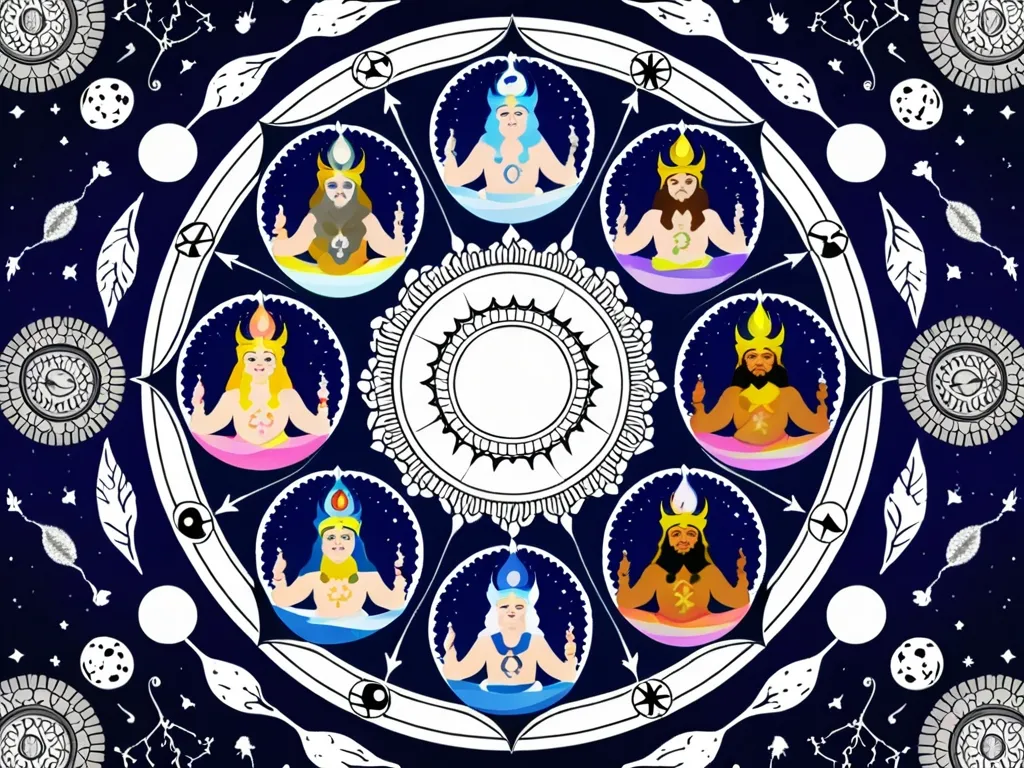
The Isha Upanishad talks about Atman, or the self, and its connection with Brahman, the ultimate reality. Hindu philosophy has two takes on this—Dvaita (dualism) says the self and the ultimate reality are distinct, while Advaita (non-dualism) says they’re one and the same. These big ideas are what make the Isha Upanishad pivotal in the Vedanta tradition.
As for when it was written, that’s a bit muddy. Scholars can’t agree if it came before or after early Buddhist texts. But everyone’s on the same page about its significance in the Vedic era.
What’s also cool is the way it’s written; it’s got that beautiful, vivid style that’s been translated and illustrated in many editions. One standout edition has translations by Pritish Nandy and illustrations by Sunandini Banerjee, making the text both spiritually deep and visually stunning.
At its core, the Isha Upanishad is a guide for living. It encourages letting go of desires and attachments to find inner peace and unity with the universe. Fulfillment comes from recognizing the interconnectedness of everything rather than chasing after material stuff.
In a nutshell, this text is an invitation to dig deeper than the surface level of life, encouraging a journey of self-discovery and spiritual pursuit. Its timeless wisdom has kept it cherished through the centuries, offering insights just as relevant today as when it was written.