What Ancient Secrets Can the Upanishads Teach Us About True Freedom?
Discovering Eternal Freedom: Journey into Self-Realization and Universal Consciousness with the Upanishads
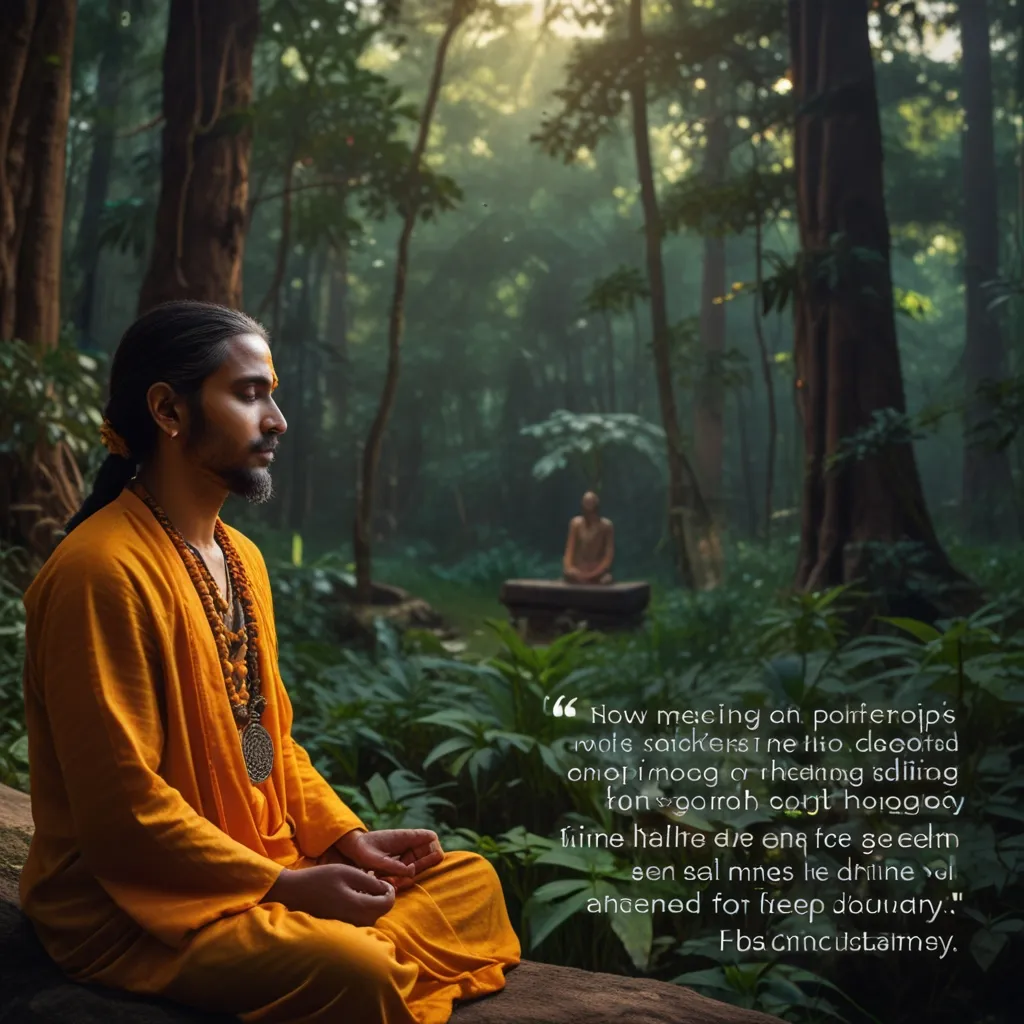
The Upanishads, those ancient Hindu scriptures, are all about digging deep into the nature of existence and finding liberation, or Moksha. They’re not just old-school philosophical rants but practical guides for anyone who’s curious about their true essence and wants to find ultimate freedom.
Now, Atman, that’s a biggie in these texts. It’s basically the soul, the core of an individual, chillin’ inside the physical body. It never dies; it’s always around. But, caught up in the day-to-day grind and bodily existence, it often forgets what it’s really all about. The Upanishads are all about helping folks understand that the body is just a temporary vessel for the Atman. Realizing this is key to the whole Moksha thing.
Getting to Moksha is all about truly getting yourself and how you fit with the universe. It’s a self-discovery trip, where you ponder questions like “Who am I?” and “Why am I here?” The Upanishads lay down step-by-step advice on this journey, urging you to use your noodle to get these big ideas.
A huge teaching is detachment. Basically, you gotta learn to let go of worldly desires and attachments ‘cause they’re seen as roadblocks to real freedom. Detachment isn’t about dropping everything and living in a cave; it’s more about realizing how fleeting worldly pleasures are and not getting too hung up on them.
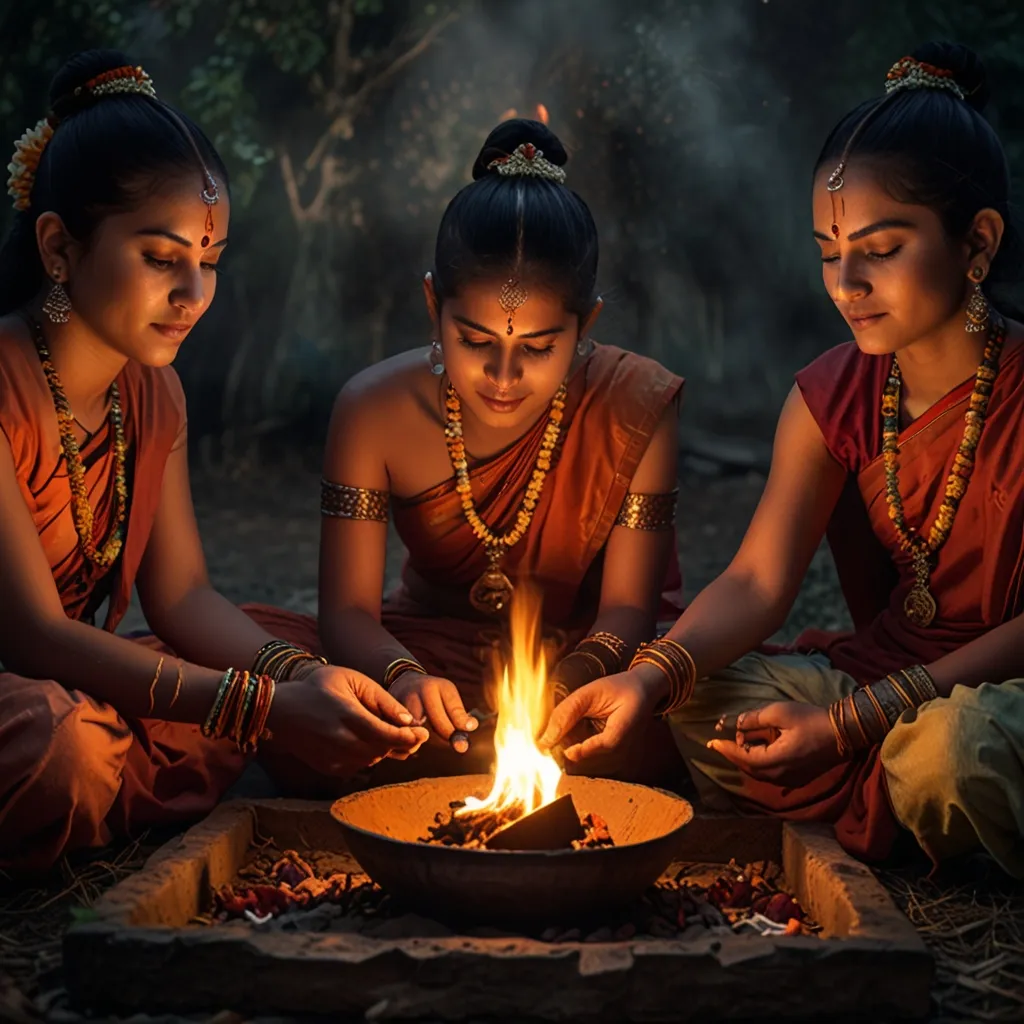
Then there’s bhakti, or devotion. This isn’t just about rituals; it’s about having a deep, emotional bond with the Supreme Being. This love and connection help you rise above worldly attachments and hit a higher state of consciousness.
Karma and reincarnation also play a part in the Moksha journey. In Hindu belief, the cycle of birth and death keeps going until you’ve achieved Moksha. How you act in one life sets up the next one, so living a moral life and seeking knowledge is essential.
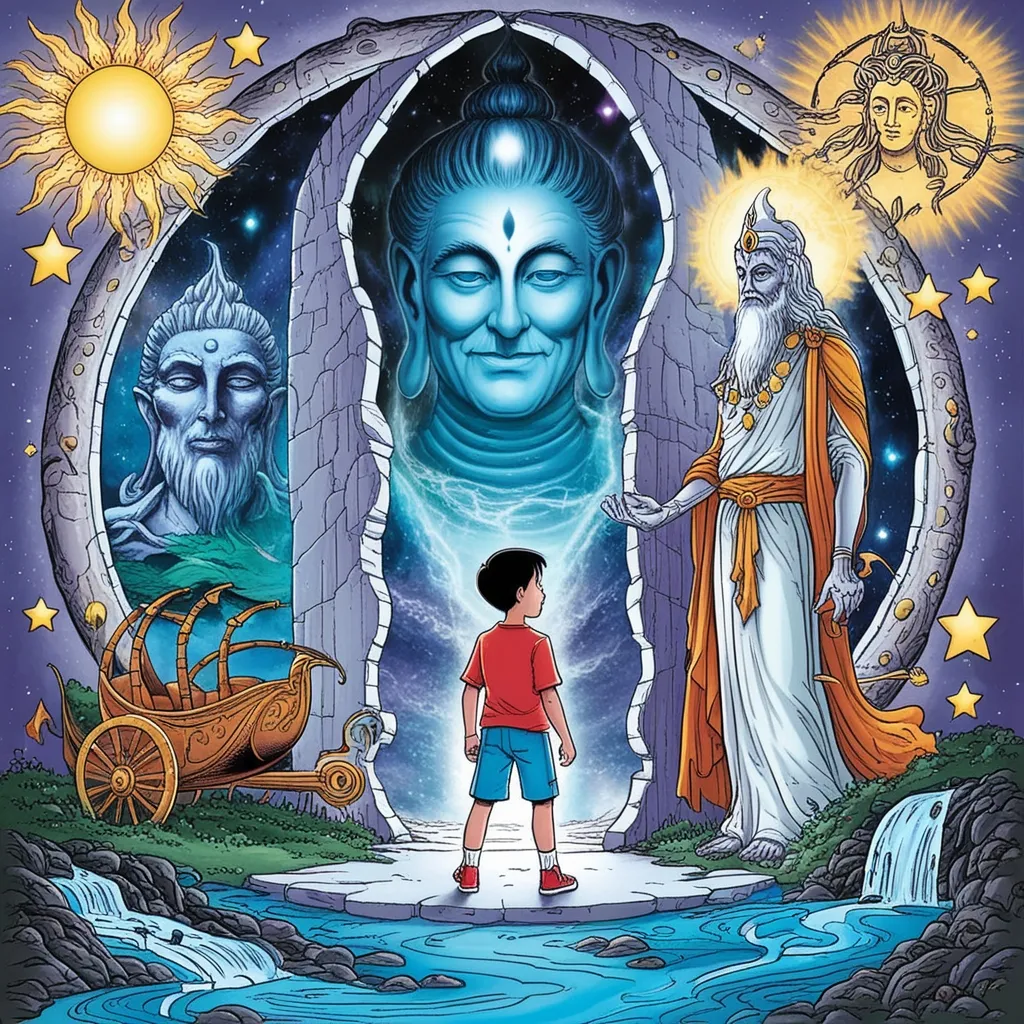
Understanding that everything’s connected is another big deal. The Upanishads talk about Brahman, the ultimate reality that flows through everything. Realizing you’re one with this universal consciousness brings a deep sense of peace and liberation.
Practically speaking, getting to Moksha involves meditating, studying sacred texts, and doing your duties without getting attached to the results. This mix of intellectual probing, spiritual practices, and ethical living helps you find inner peace and clarity.
The Upanishads aren’t about rigid rules. They offer a flexible, inclusive way for each person to find their own path. They stress personal experience and direct realization, encouraging you to explore and understand the truth firsthand.
To wrap it up, the Upanishads describe the path to Moksha as a journey of self-discovery, letting go, devotion, and living ethically. It requires a deep understanding of yourself and your place in the universe, guided by karma, reincarnation, and the ultimate reality of Brahman. Through this journey, you can achieve true liberation and find peace and fulfillment.