In the vast ocean of Hindu scriptures, one concept that truly stands out is Rta. It’s a central idea in Vedic philosophy and ties beautifully with the cosmic order, harmony, and natural laws that govern everything. Rta shapes how people see the world and their place within it.
The Magic of Rta
Rta is a term that pops up a lot in the Rigveda, one of the ancient and most cherished texts of the Vedas. It comes from the root ‘ri,’ which means ‘to move’ or ‘to flow.’ Just thinking about this makes one realize how every part of the universe is in a state of constant motion and evolution. Essentially, Rta is all about the cosmic law that keeps everything in check, ensuring balance in natural phenomena.
Cosmic Harmony
When talking about Rta, it’s often translated as ‘natural law’ or ‘cosmic order.’ This means that the universe runs on certain principles that keep everything in balance. Interestingly, this isn’t just about physical laws. Rta also touches on moral and ethical standards. It becomes a guide for people, helping them live in line with natural order.
Gods and Rta
In the Vedic worldview, Rta is closely knit with the gods who ensure the universe stays in balance. Take Varuna, for example. He’s the god of the sky and evening, often seen as the guardian of Rta. Varuna’s job is to make sure the natural laws are followed. This divine connection underscores how Rta is a principle that goes beyond human understanding.
The Seven Wonders
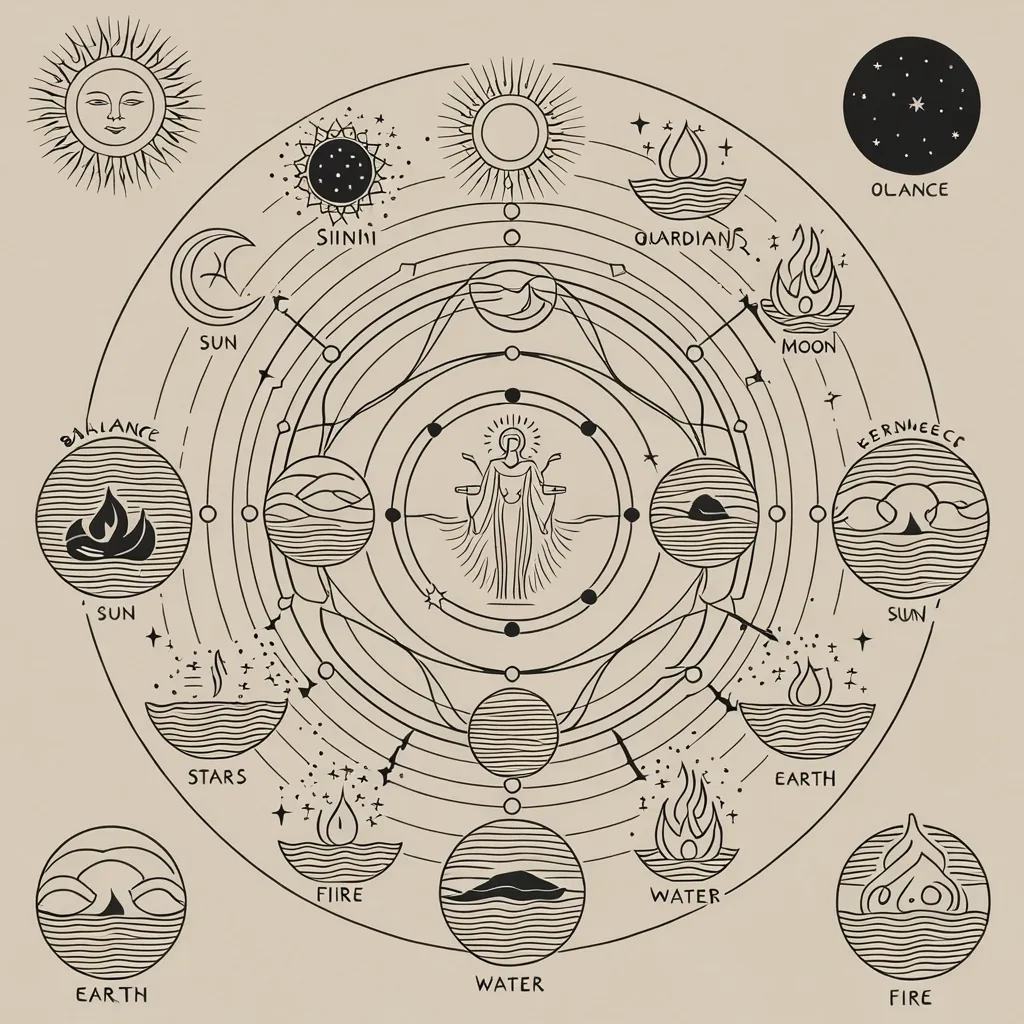
The Yajur Veda mentions that real knowledge of Rta can be grasped through seven forces of nature - the Sun, Moon, firmament, waters, clouds, fire, and earth. These elements are crucial for humanity’s well-being and play a significant role in the cosmos. By tapping into these natural forces, people can live in harmony with Rta.
Eternal Rules
Rta is described in the texts as something that’s eternal and doesn’t change, spanning across all time periods and places. Deviating from these laws would throw everything into chaos. The Rigveda mentions how sticking to Rta brings happiness and avoiding it leads to suffering.
Rta and Dharma
Rta has a close companion called Dharma, which represents righteousness and moral duties. In Vedic philosophy, Dharma is basically Rta put into practice. Following Dharma means living in tune with the cosmic laws of Rta, ensuring actions are in line with the natural order.
Human Connection
The importance of Rta goes further than just natural occurrences. It shapes how people behave and interact with society. It pushes for peaceful coexistence and balance between the natural world and everyday life. Following Rta helps individuals fulfill their moral duties and contribute to the cosmic harmony.
Life’s Purpose
According to the Vedas, humans are born to help maintain the grand design of the universe. This is done by understanding and following Rta. Aligning with this cosmic plan ensures that human actions are in sync with the universe’s natural order.
Universal Truth
Rta isn’t just for a specific time or place; it’s a universal principle that applies everywhere. This universality makes it a fundamental part of Vedic philosophy, guiding people towards a life of harmony and balance with nature.
Sacred Speech and Rituals
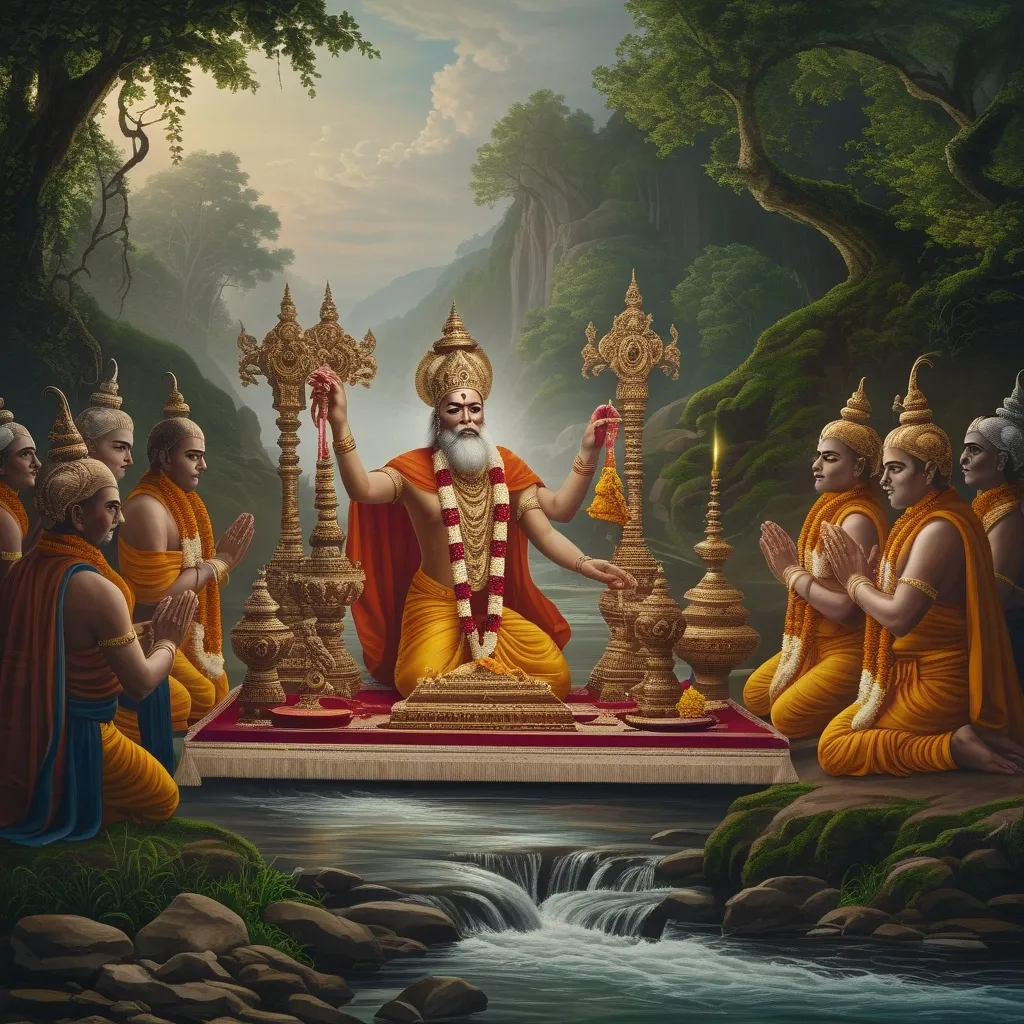
In Vedic tradition, sacred speech and rituals are closely tied to Rta. The Rishis, or seers, who composed the Vedic hymns, were believed to have a special insight into reality, which allowed them to express Rta through their words. The sacrifices and rituals described in the Vedas are also connected to Rta, aiming to maintain cosmic order and human well-being.
Conclusion
Rta is a profound concept that forms the bedrock of Vedic philosophy. It represents the natural order of the universe, guiding individuals towards a life of balance, morality, and harmony with nature. By embracing Rta, people can fulfill their purpose in the grand scheme of things, ensuring a life of bliss and steering clear of misery. This ancient concept remains crucial in Hindu thought, offering timeless wisdom on living in harmony with the natural world.