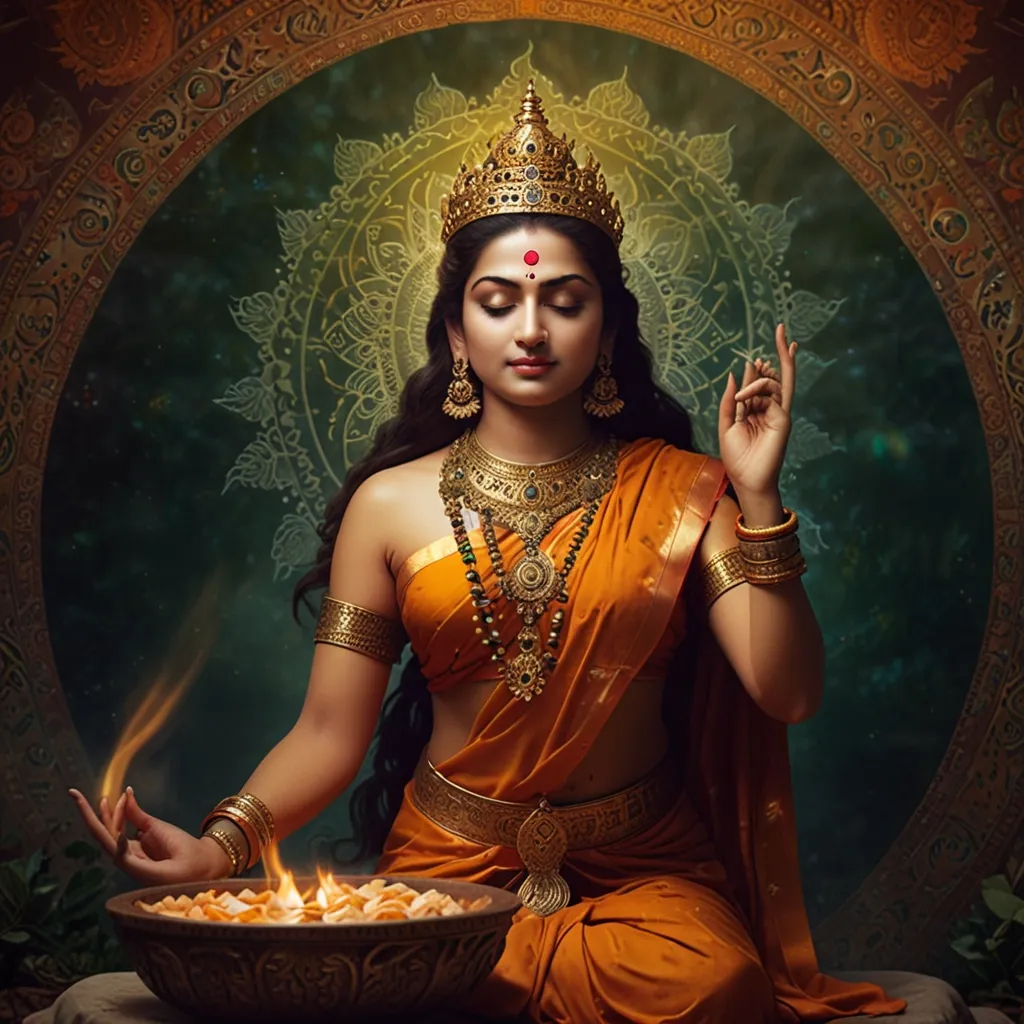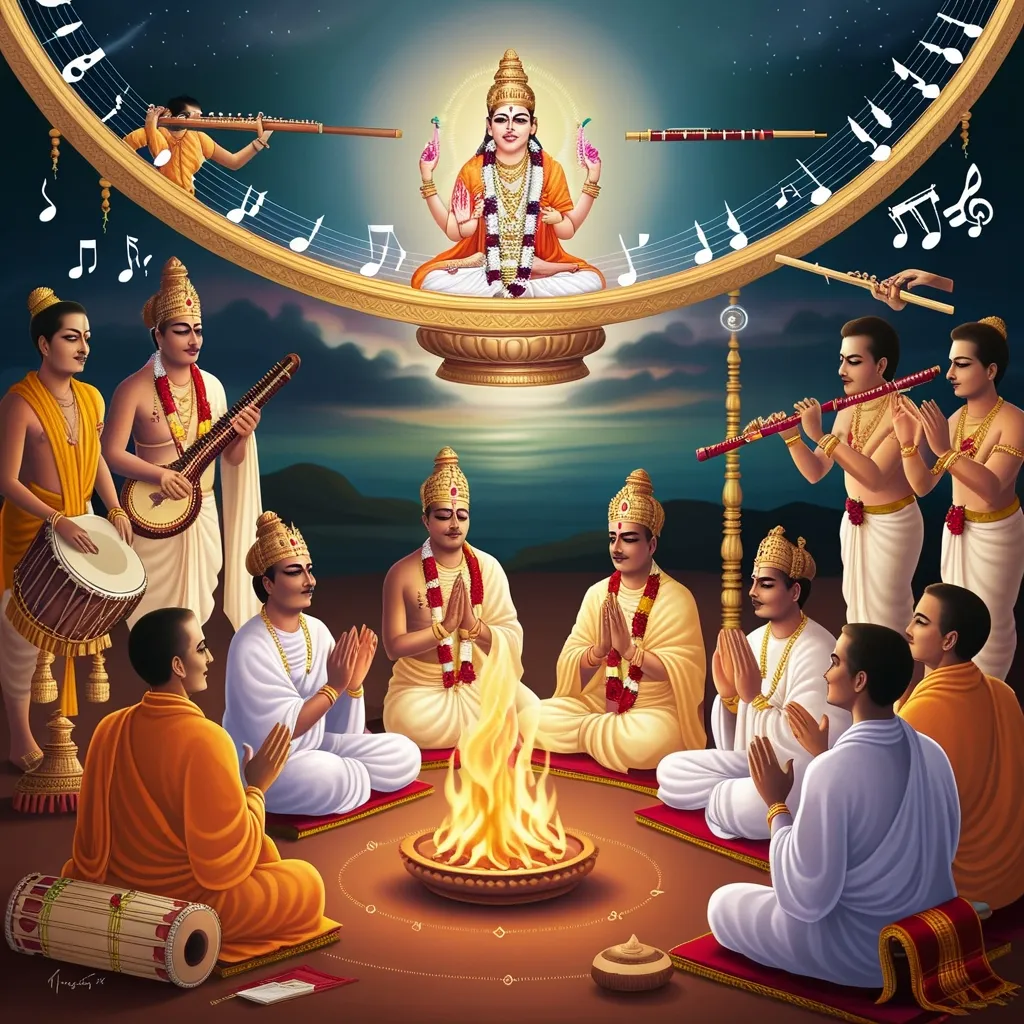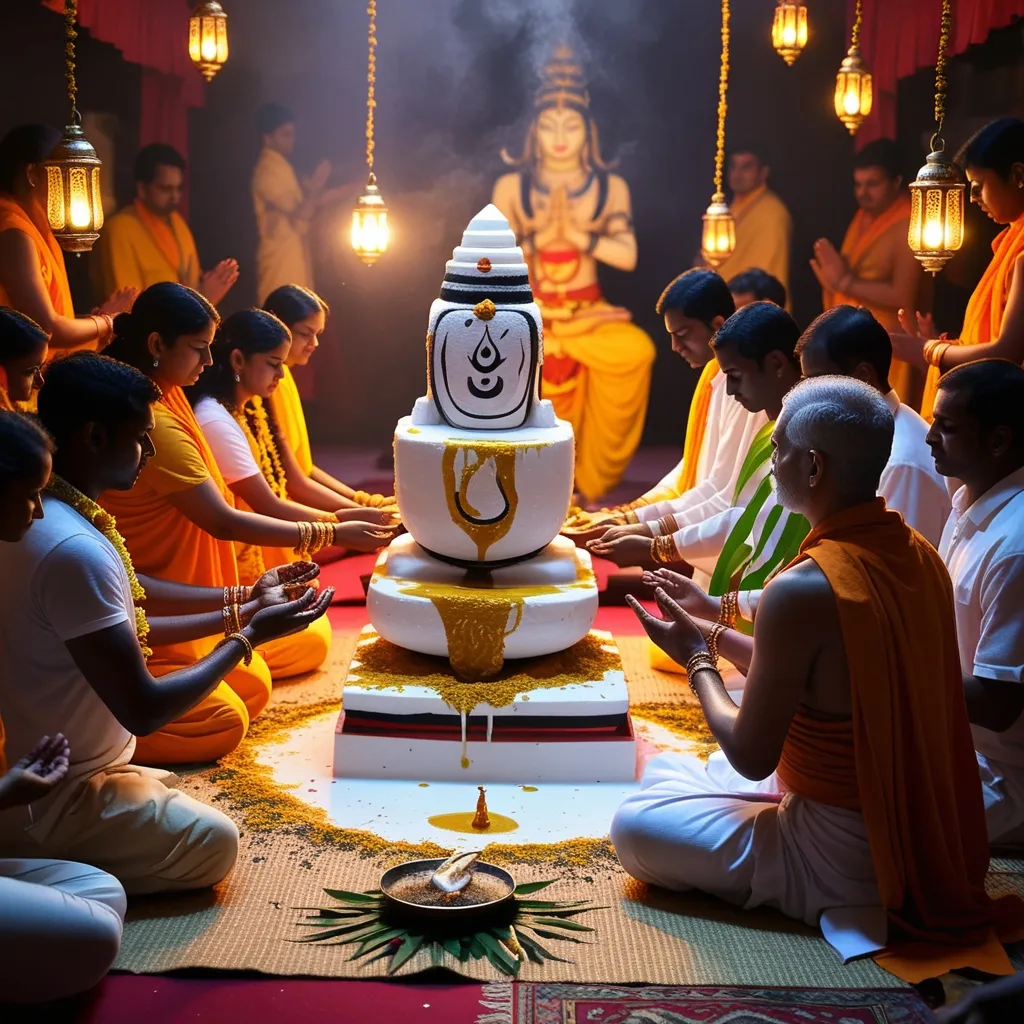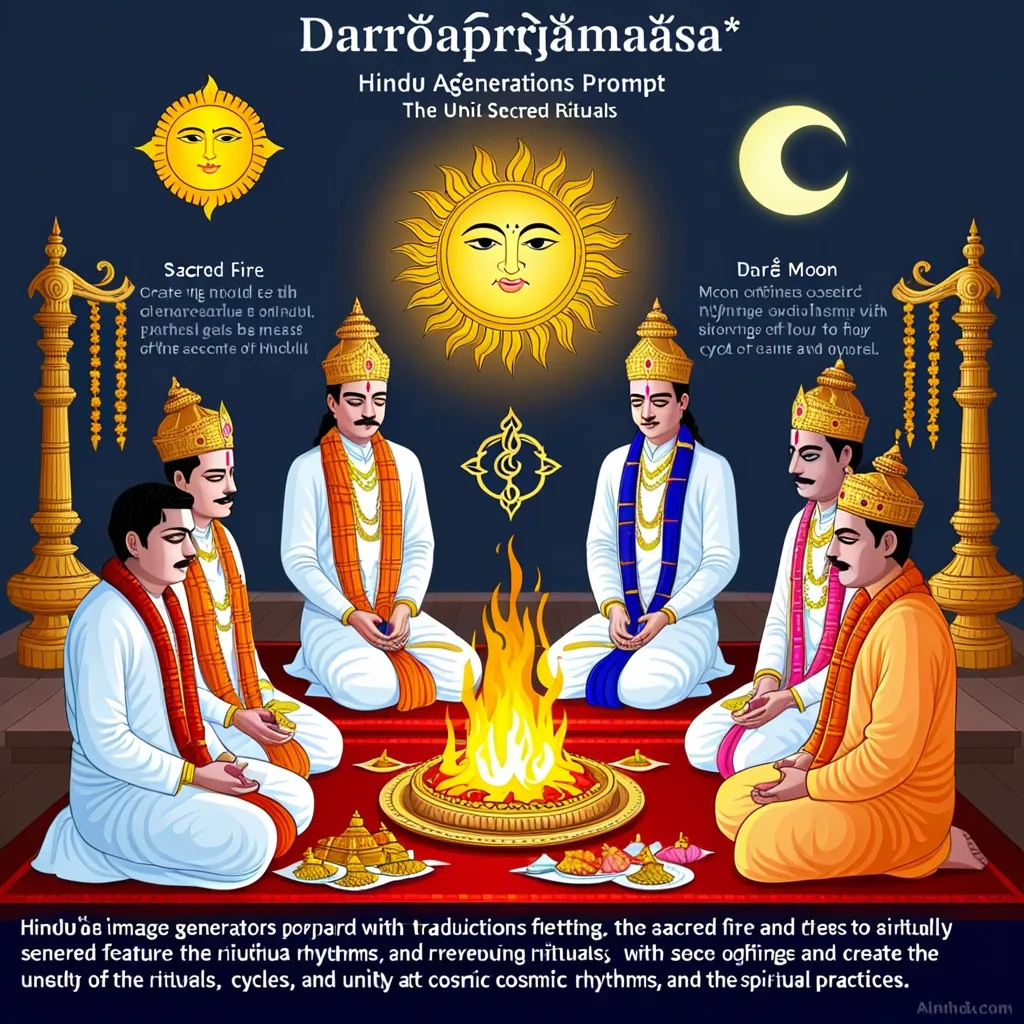
Hindu rituals are like a beautiful, intricate tapestry, woven with centuries of tradition and reverence. One standout ritual, among the myriad of them, is the Darśapūrṇamāsa. This ancient Vedic practice is performed on two significant days: the new moon day (Amāvasya) and the full moon day (Pūrnima). These days are chosen because they represent the union of the sun and moon, marking the beginning and culmination of the lunar cycle.
The Darśapūrṇamāsa isn’t just any ritual—it’s like the golden standard for all iṣṭi type sacrifices. The name itself splits into Darśa (new moon) and Pūrṇamāsa (full moon), showing how it covers the whole lunar cycle. This cycle is important because it symbolizes the rhythm of life and the cosmos, reminding us of the ongoing cycles we go through.
This special ritual isn’t open to just anybody. It’s only for people from the higher castes: Brāhmaṇa, Kṣatriya, and Vaiśya. Plus, they need to have performed the Agnyādheya ceremony, which is all about setting up the sacred fire. This requirement really emphasizes the need for spiritual readiness and sticking to traditional practices.
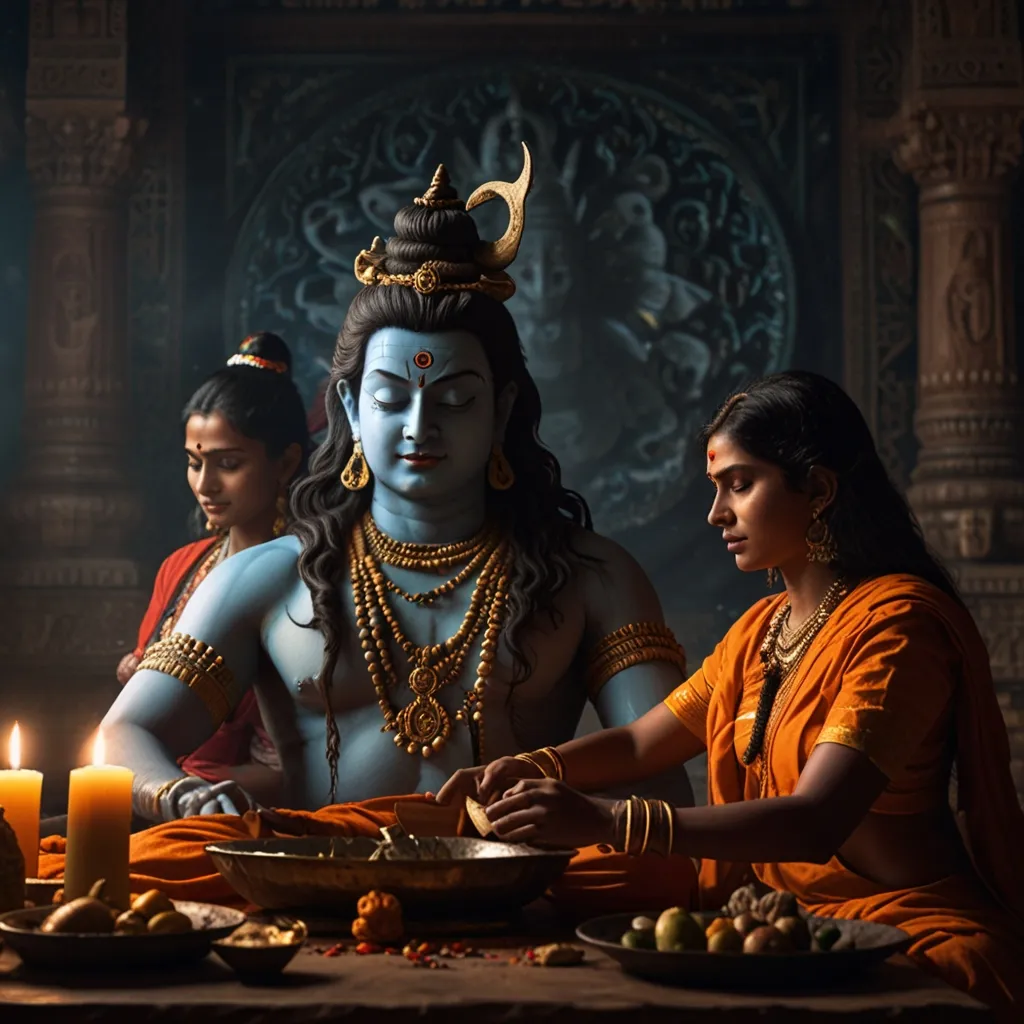
Four priests are key players in the Darśapūrṇamāsa. Each one, the Hotṛ, Adhvarju, Agnidhra, and Brahmā, brings something essential to the table. Their roles are crucial as they guide the different stages of the ritual, making sure everything is done precisely and with deep respect.
The process for this ritual is pretty much the same whether it’s the new moon or full moon, though the timing varies a bit. On the full moon, it kicks off in the morning and wraps up by the next day’s forenoon. The new moon day follows a similar schedule. It all begins with preparing the fire and taking a solemn vow, then moves through vital steps like Prayāja, Anuyāja, and Patni Samyāja. These rituals set the spiritual tone, making the whole ceremony effective. The climax is an offering to the fire god, Agni Sviṣṭakṛt, inviting all deities to join in. After this, the priests taste the remaining offerings in the iḍābhakṣaṇa, and rice cakes are shared among them.
There are two types of Darśapūrṇamāsa: obligatory (Nitya) and wish-yielding (Kāmya). For those who regularly perform it, the ritual is Nitya, and skipping it can have negative consequences. Conversely, the Kāmya type is for those who do the ritual occasionally to fulfill specific desires.
The Darśapūrṇamāsa isn’t just a set of actions; it’s steeped in Hindu religious law (Dharmashastra) and mentioned in ancient texts. It’s one of the seven Haviḥsaṃsthās or Haviryajñas, a group of sacrifices aimed at achieving eternal happiness. This ritual underscores the importance of regular spiritual practice and staying connected with the divine.
Now, let’s talk about the moon. The lunar phases—new moon and full moon—mean a lot in many cultures. In Hinduism, these phases aren’t just about celestial mechanics; they carry deep spiritual meaning. The new moon symbolizes new beginnings, a perfect time to set intentions and start fresh. The full moon signifies completion and illumination, a time to celebrate achievements and reflect.
Even though the Darśapūrṇamāsa is an ancient practice, its principles can totally apply to our modern lives. For us, setting intentions during the new moon and reflecting during the full moon can be powerful for personal growth. It encourages mindfulness about goals, appreciation of achievements, and letting go of what no longer serves us.
So, the Darśapūrṇamāsa connects us with age-old wisdom, offering a framework for a balanced, spiritually fulfilling life. It’s a reminder of the value of regular spiritual practice and gratitude, reflecting the cyclical nature of life. These are timeless, universal principles that apply to everyone, everywhere.