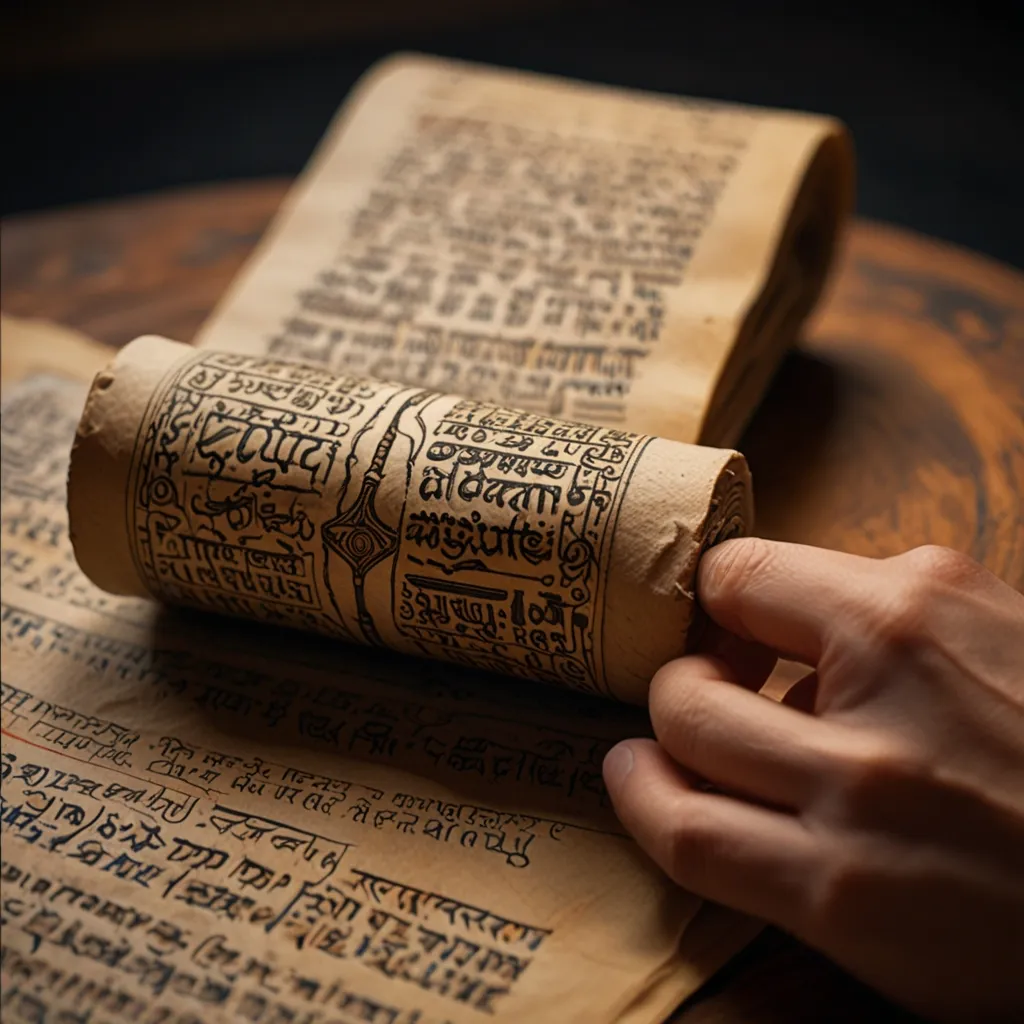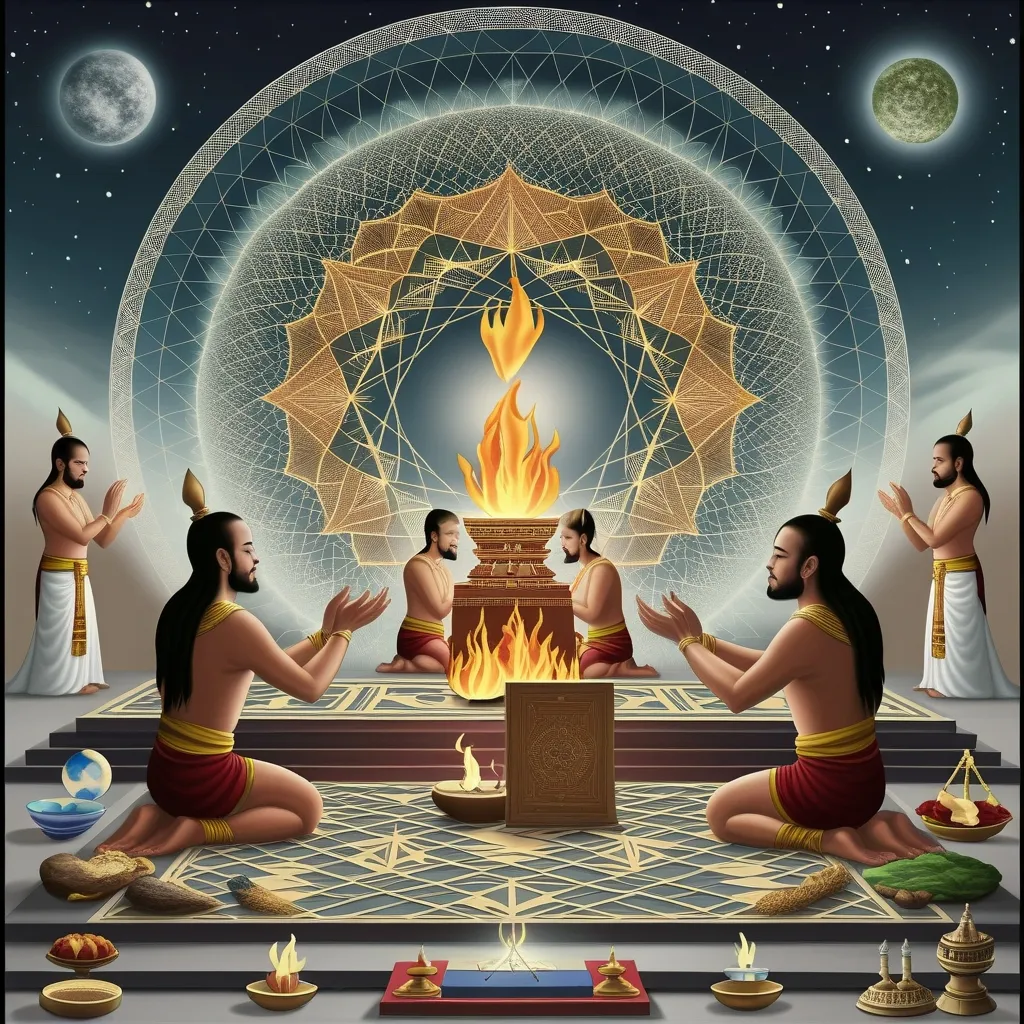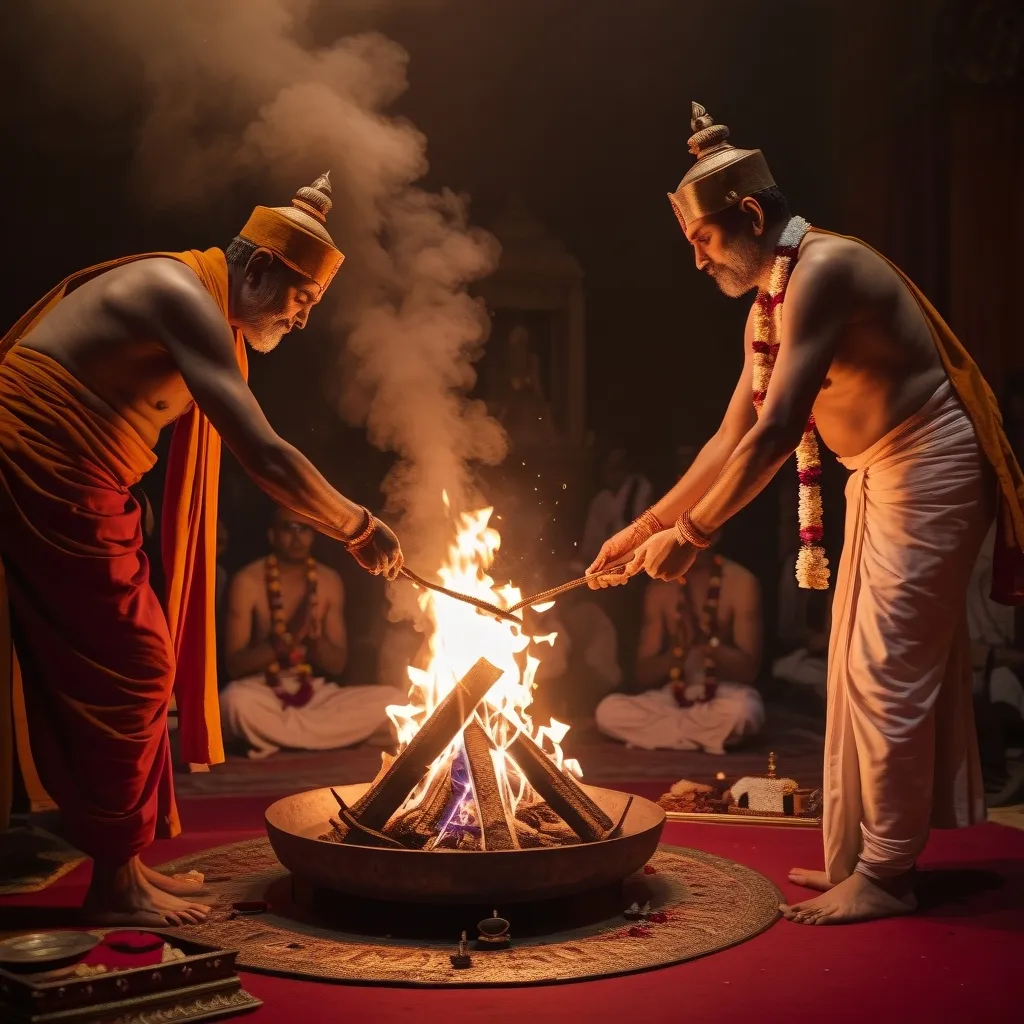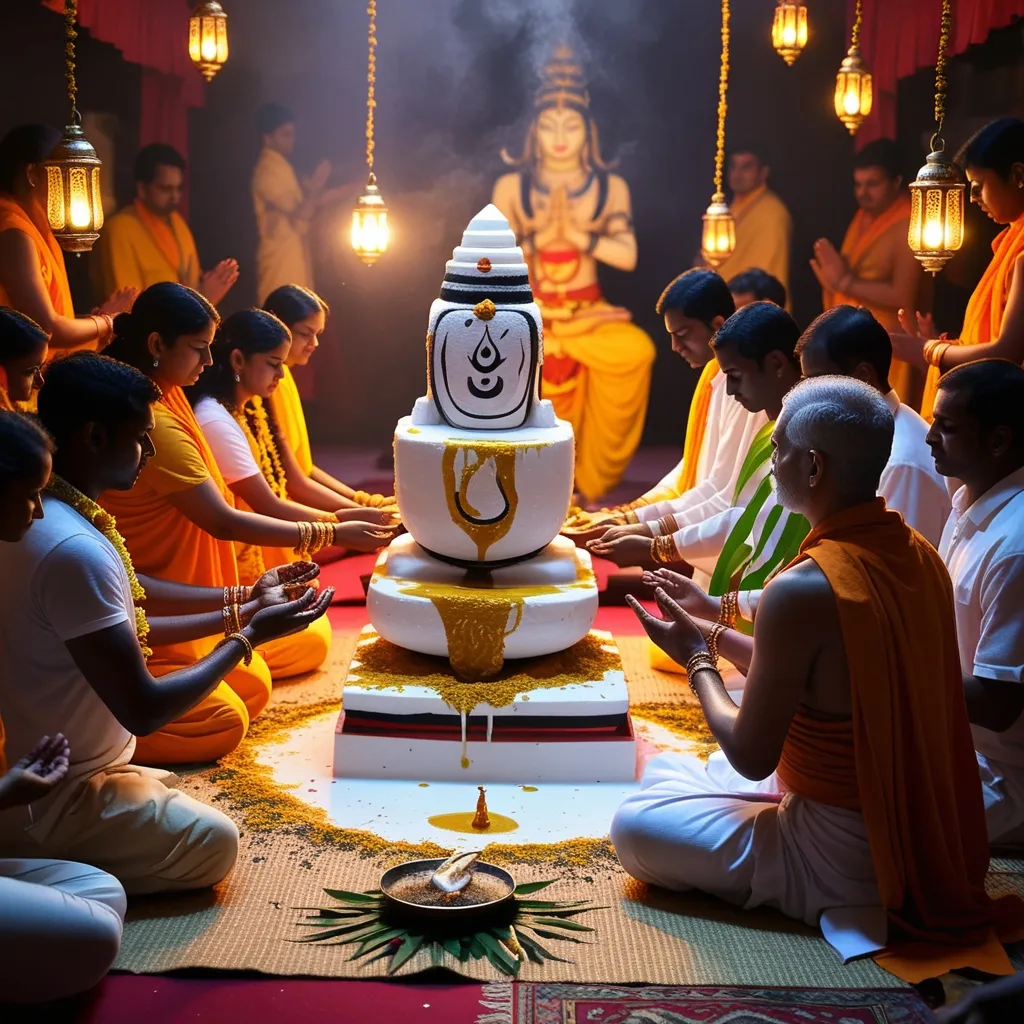
In the grand scheme of Hindu rituals, one ceremony stands out for its reverence and depth — the Rudrabhishek. This powerful offering to Lord Shiva is steeped in ancient texts from the Yajur Veda. Shiva, often called Mahadev, holds a special place as the supreme deity in this intricate ritual.
Rudrabhishek is more than just a religious ceremony; it’s a deep act of devotion and a spiritual cleanse. It’s performed to summon Rudra, one of Shiva’s fierce but kind aspects. The benefits of this ceremony are vast — from bringing prosperity and peace to fulfilling one’s deepest desires. All of this is anchored in the chanting of sacred Vedic mantras, particularly the Sri Rudram from the Yajur Veda. These hymns to Shiva are among the holiest.
Executing a Rudrabhishek involves meticulous preparation. The Shiva Linga, a symbol of Lord Shiva, is bathed with sacred ingredients like Panchamrit, a blend of milk, sugar, ghee, honey, and curd, along with water and fruit juices. It’s adorned with holy ash, sandalwood paste, and fragrant oils. Specific items like bael leaves, chosen with care, add to the ritual’s sanctity.
Central to the Rudrabhishek are the Vedic mantras. The Sri Rudram and the Chamakam are the primary chants, aimed at invoking Shiva’s blessings. Typically, the Ekadasa Rudram is chanted eleven times, followed by the Chamakam. This can be repeated multiple times, with variations like the Laghu Rudra, Maha Rudra, and Ati Rudra, each involving a different number of repetitions.
Performing a Rudrabhishek brings a host of benefits. It promotes good health, harmony, and success. It’s believed to grant prosperity, happiness, and cleanse one of the negative energies and past life’s sins. The ritual promises wealth, fame, and protection from life’s troubles.
While the Rudrabhishek can be performed any day, certain times are more auspicious. The month of Shravan (July-August) is particularly ideal, and performing it on Mahashivratri is believed to be especially fruitful. These timings have deep mythological roots, commemorating Shiva’s incarnation as the Rudra Linga.
Embarking on a Rudrabhishek starts with gathering the necessary items and positioning the Shiva Linga correctly, facing north, with the devotee sitting on a wool or kusha grass mat facing east. The ritual starts by applying holy ash on the forehead and donning a Rudraksha mala to balance chakras and elevate consciousness. The devotee and items are sprinkled with Gangajal water while specific mantras are chanted. Bathe the Shiva Linga with the sacred materials, offer flowers, fruits, and betel nuts, and consistently recite mantras like “Om Tatpurushaaya Vidmahe Mahadevaay Dheemahi Tanno Rudraha Prachodayaat” and the Mahamrityunjaya mantra.
Rudrabhishek transcends a mere traditional act; it’s a profound devotional expression to Lord Shiva. Those who perform this ceremony do so in hopes of not just material benefits but also spiritual purification and peace. With its roots deeply embedded in the Yajur Veda and its painstaking execution, its significance in Hindu worship is undeniably profound. Whether performed in a grand temple setting or the quiet confines of home, Rudrabhishek remains a powerful way to connect with the divine and seek the blessings of the ever-benevolent Lord Shiva.