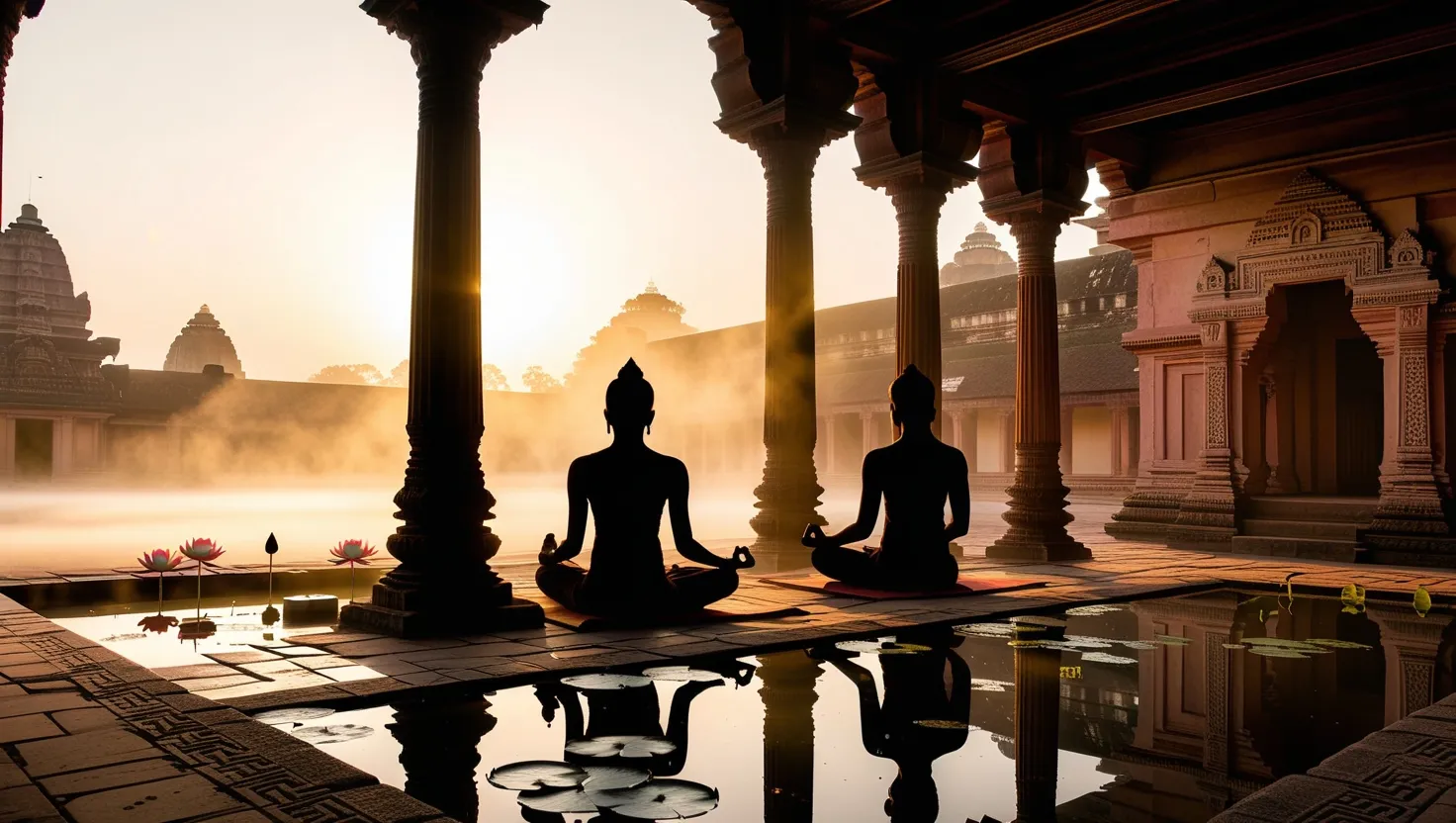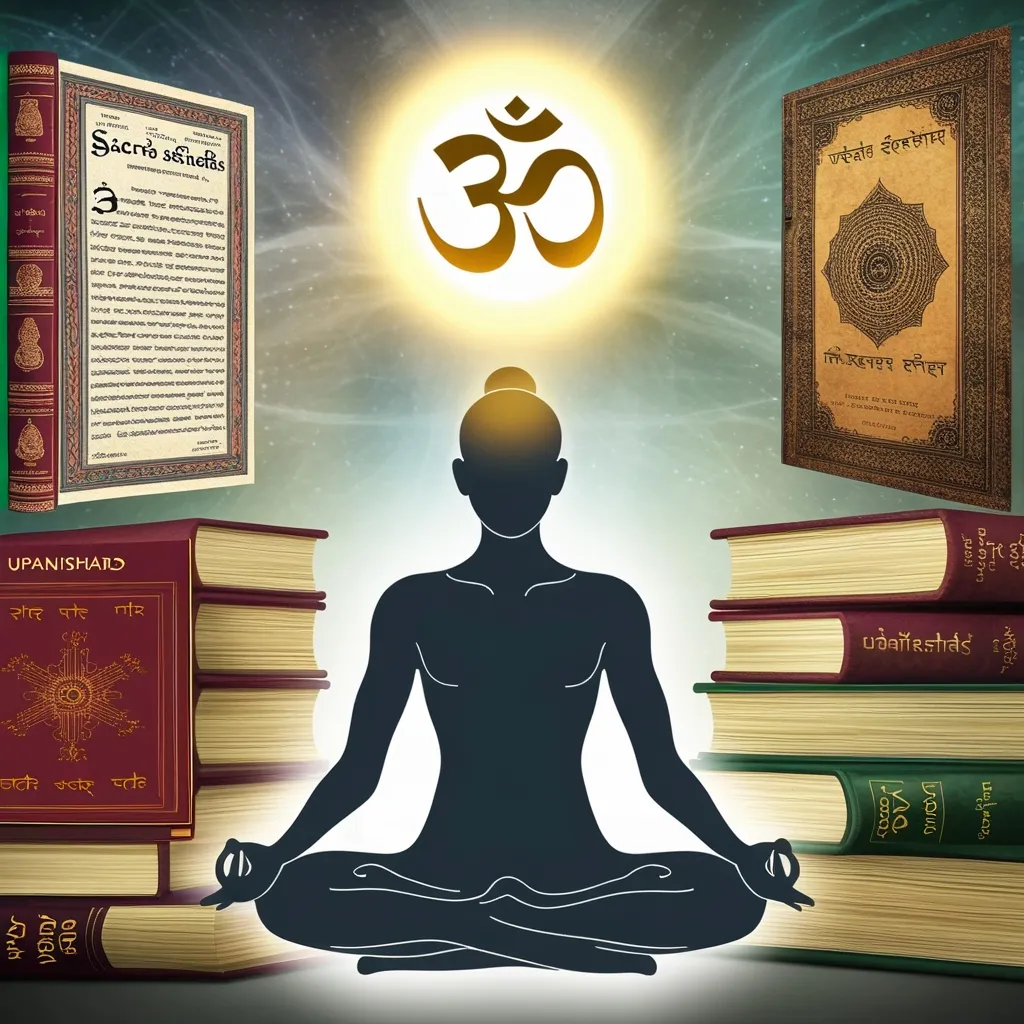
In the vibrant world of Hinduism, there’s a gem of a practice called Svadhyaya. Found in the Yajur Veda, Svadhyaya comes from the Sanskrit words “sva” meaning “self” and “adhyaya” meaning “study” or “reading.” Think of it as more than just reading—it’s a deep dive into self-study and reflection. It’s about getting cozy with your own soul, understanding your habits, thought processes, and the way you tick.
Now, Svadhyaya isn’t just a fleeting look in the mirror. This is about truly immersing yourself in the inner workings of your being. Imagine leafing through sacred scriptures like the Vedas and Upanishads, which are bursting with ancient wisdom. And it’s not just about the reading part; chanting mantras, like the powerful sound “Om,” plays a huge role here. This sacred sound is said to embody pure consciousness.
When practicing Svadhyaya, there’s a dance between the “self” with a lowercase “s” and the “Self” with a capital “S.” The former is all about the ego, the physical part of us, and the daily mental chatter. The latter? That’s the Atman, the eternal consciousness that connects us all in this universe.
Svadhyaya isn’t something you just do in the yoga studio or during meditation. Nope, it seeps into every tiny moment of your life. It’s like stepping outside of yourself and watching how you interact with friends, how you respond to change, even how you do everyday stuff like picking out clothes. This ongoing self-observation helps spot those pesky patterns and habits that might be messing with your peace.
Incorporating Svadhyaya into daily routines can be as simple as asking yourself, “What’s the theme of my thoughts today?” or “How am I speaking to myself?” By tuning into this mental chatter without judging it, you start to see the bigger picture. It’s about untangling from unhealthy habits and syncing up with your true Self.
A big part of Svadhyaya is diving into sacred scriptures. Texts like the Bhagavad Gita and the Yoga Sutras aren’t just books; they’re mirrors reflecting the divine spark within us. They offer wisdom from saints and sages who’ve already walked the spiritual path. The Taittiriya Upanishad from the Yajur Veda, for instance, stresses the importance of never abandoning study and teaching. It’s clear: to teach well, you must study deeply and continuously.
Learning through Svadhyaya is like a three-step dance: hearing (sravana), reasoning (manana), and deep reflection (nididhyasana). This keeps the study grounded not just in intellectual understanding but in lived experience. It is a disciplined act of self-examination, requiring honest, non-judgmental self-observation.
On a yoga mat, Svadhyaya can be practiced as you transition through various asanas. It’s a golden chance to watch how you react to challenges or how often you compare yourself to others. This mindfulness extends off the mat, prompting a keen self-awareness in daily decisions and reactions. The key here? Non-judgment. It helps to simply observe yourself without criticism, creating space for deeper self-understanding.
Non-judgment, coupled with honesty and discipline, is a pillar of Svadhyaya. Observing yourself with a gentle, honest eye allows you to get closer to your true nature. It’s about being honest about your flaws and strengths and disciplined enough to see it through without beating yourself up.
Svadhyaya isn’t just a practice; it’s a transformative journey. By peeling back the layers of your ego and touching the true Self, you start to break free from the pull of material desires, turning more towards spiritual fulfillment. It’s a practice that mixes study, reflection, and keen self-watching, leading to a richer understanding of yourself and the world around you.
At its core, Svadhyaya is a timeless call to explore your inner landscape, to study and reflect on yourself, and align with your divine essence. It’s rooted in ancient texts but is still incredibly relevant today. By weaving Svadhyaya into your ongoing life tapestry, you open doors to profound self-discovery and alignment with universal consciousness.
So, if you’re looking to delve deeper into who you are and align yourself with a greater cosmic awareness, Svadhyaya might just be the path for you. This age-old practice offers a vibrant journey of self-realization and enlightenment, one that taps into the core of your being and connects you with something far greater than the everyday grind. Embrace it, and let the transformative power of Svadhyaya guide you to your true essence.