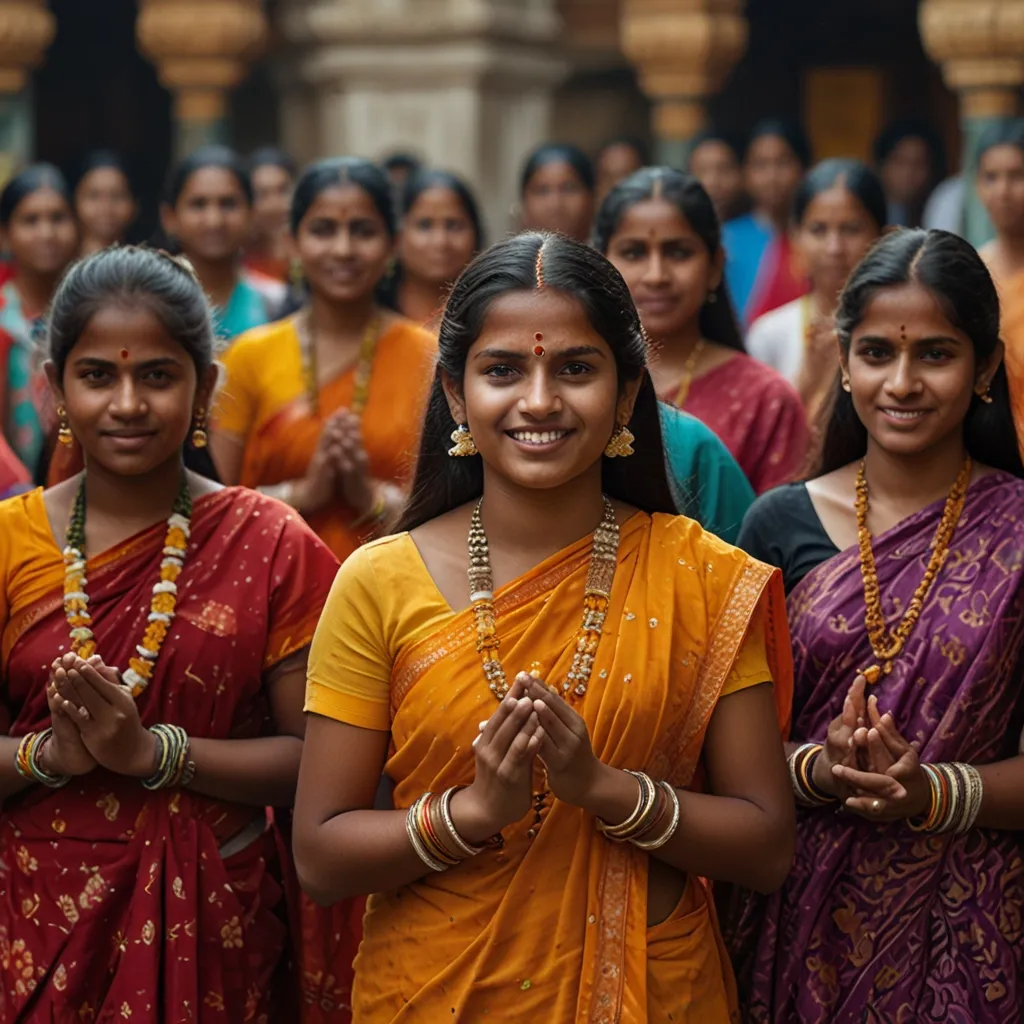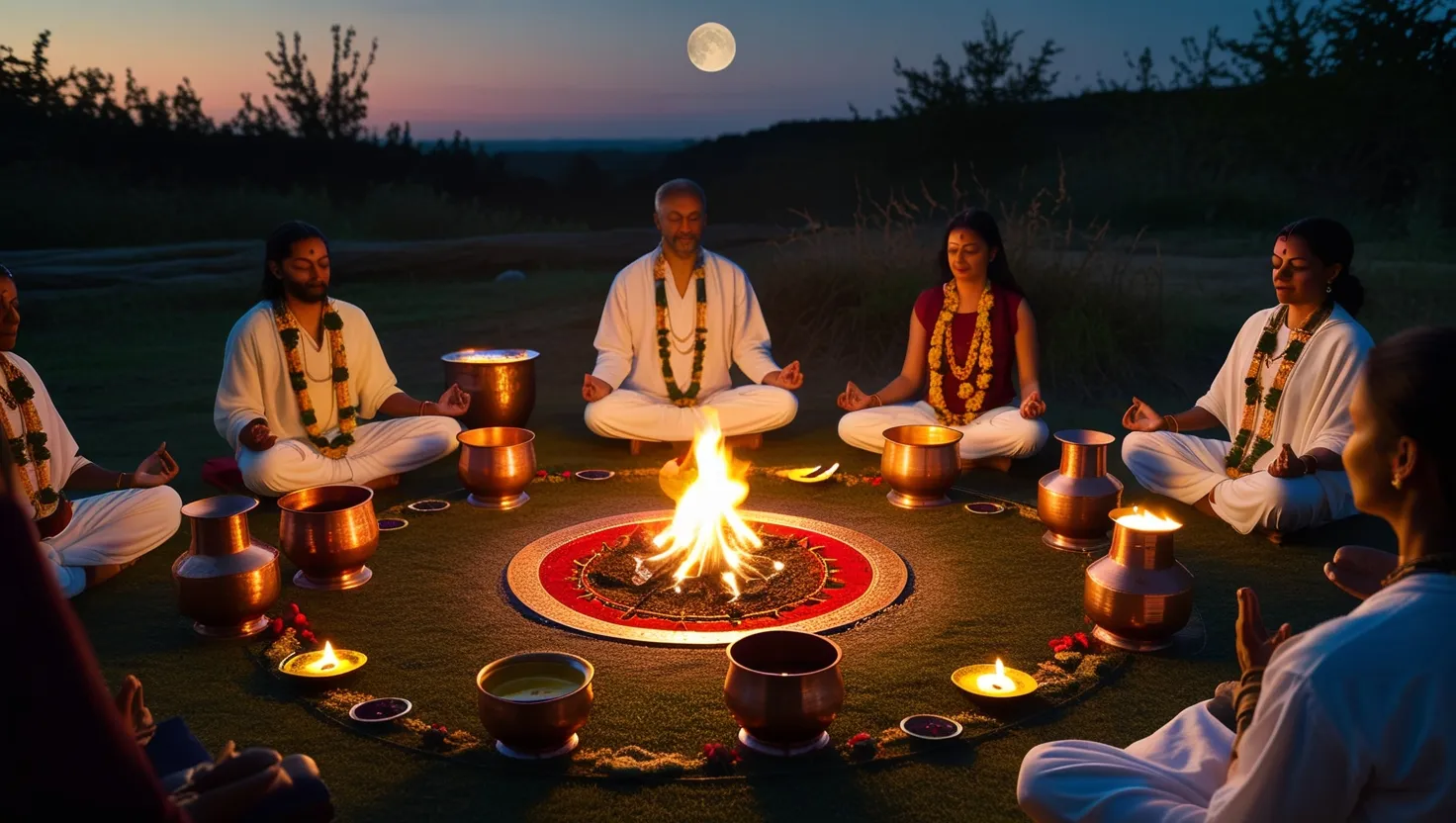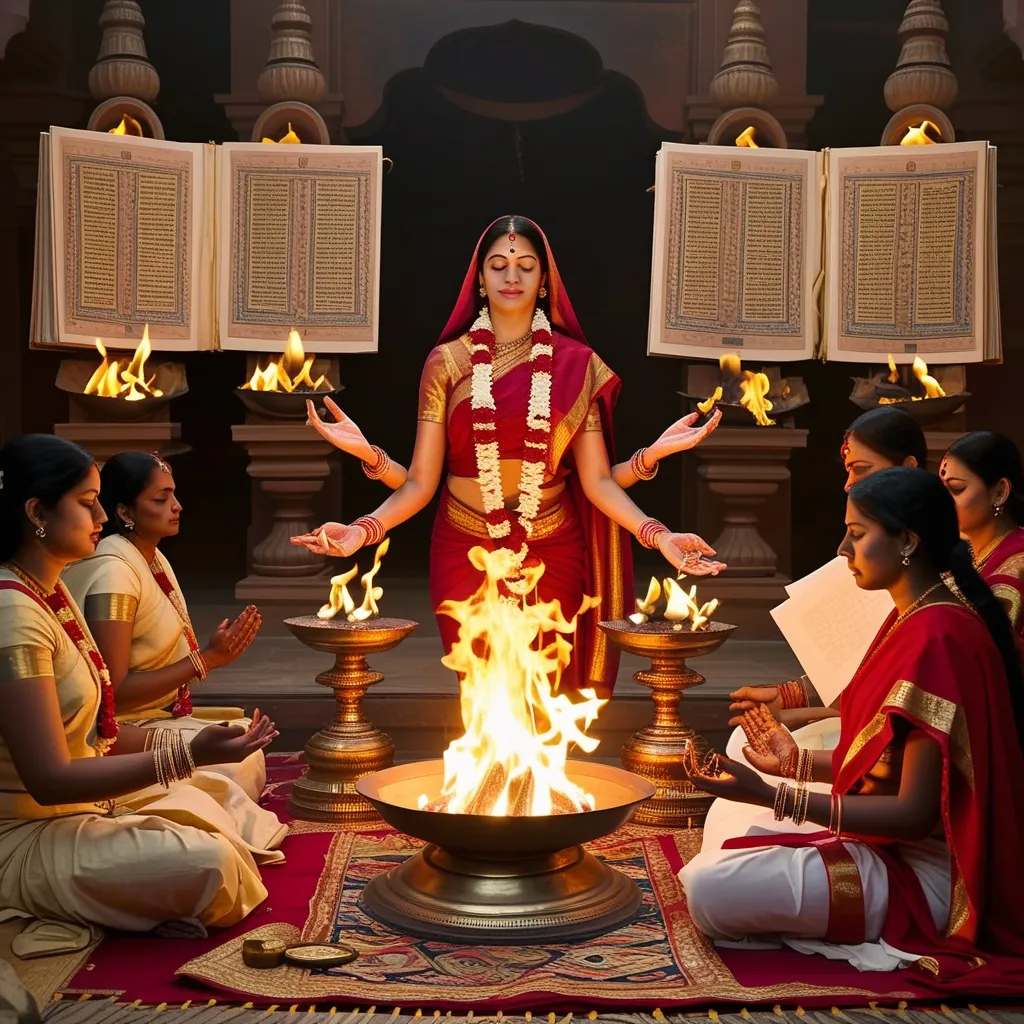
Hinduism, a religion with a rich history and profound cultural significance, places women at the heart of many spiritual ceremonies, especially yajnas (sacrificial rituals). It’s fascinating to dive into the Vedic era, where the oldest scriptures of Hinduism, the Vedas, illuminate the integral role women played in these sacred traditions.
In the Vedic age, women were held in high regard, contributing actively to the spiritual and social fabric of their communities. The Vedas, particularly the Yajurveda, frequently emphasize the respect and importance afforded to women. They weren’t just passive participants; they were vibrant, essential parts of societal and religious practices. The Yajurveda, for example, contains numerous mantras celebrating women’s roles in yajnas. These scriptures laud women as keepers of knowledge, sources of prosperity, and influential figures in rituals.
Women took on leadership roles in these ceremonies, often acting as purohits or chief priests. The Rigveda even mentions women as brahmas—leaders who corrected and guided others during rituals. It wasn’t uncommon for husbands and wives to engage together in daily fire rituals and other worship exercises. The wife’s consent was crucial for her husband to proceed with these rituals—her consent and participation were symbolized by the mantra “Juhudhi” (please do the sacrifice).
Education was another significant aspect of Vedic society that prominently featured women. They were encouraged to study the Vedas and other sacred texts, with a clear indication that girls should be educated just as boys were. This educational foundation empowered women to play leadership roles, not just in religious ceremonies but also in broader societal contexts. Women holding the title of brahmacharini—a girl student pursuing Brahmacharya, a period of disciplined learning—demonstrate how education was revered and its impact on their lives.
The participation of women in yajnas extended beyond passive roles—they were actively involved and considered pure and sacred. The Atharva Veda describes women as vital, comparable to yajna themselves, underscoring their indispensable role in spiritual and material well-being.
However, over time, especially during the Smrti period which followed the Vedic era, restrictions on women’s participation in these ceremonies began to take hold. Chanting Vedic mantras and involvement in yajnas became more limited for women due to these new norms. Despite these changes, certain traditions within Hinduism, like the Pancaratra tradition and some Vaisnava sects, preserve the Vedic tradition by continuing to allow women to perform these rituals.
Hinduism also strongly emphasizes the divine feminine. The Devi Sukta hymn of the Rigveda extols feminine energy as the essence of the universe, fostering creation and sustaining consciousness. This respect is echoed through numerous other texts, including Upanishads, Sastras, and Puranas, which celebrate women as powerful and empowering forces.
Understanding the ancient perspectives on the role of women in these spiritual ceremonies is vital, especially in today’s context. By appreciating these historical viewpoints, we can promote gender equality and recognize the crucial role women play in sustaining spiritual and societal well-being. Revisiting these Vedic ideals offers a pathway toward a more inclusive society, valuing women’s contributions and fostering mutual respect in all spheres of life.