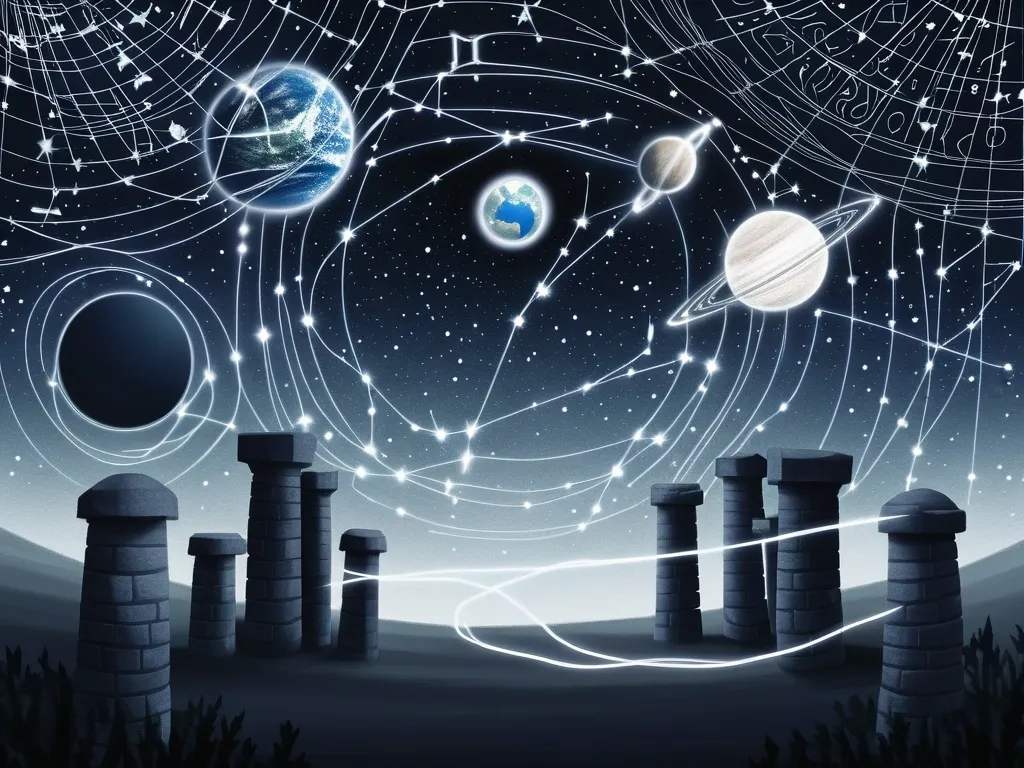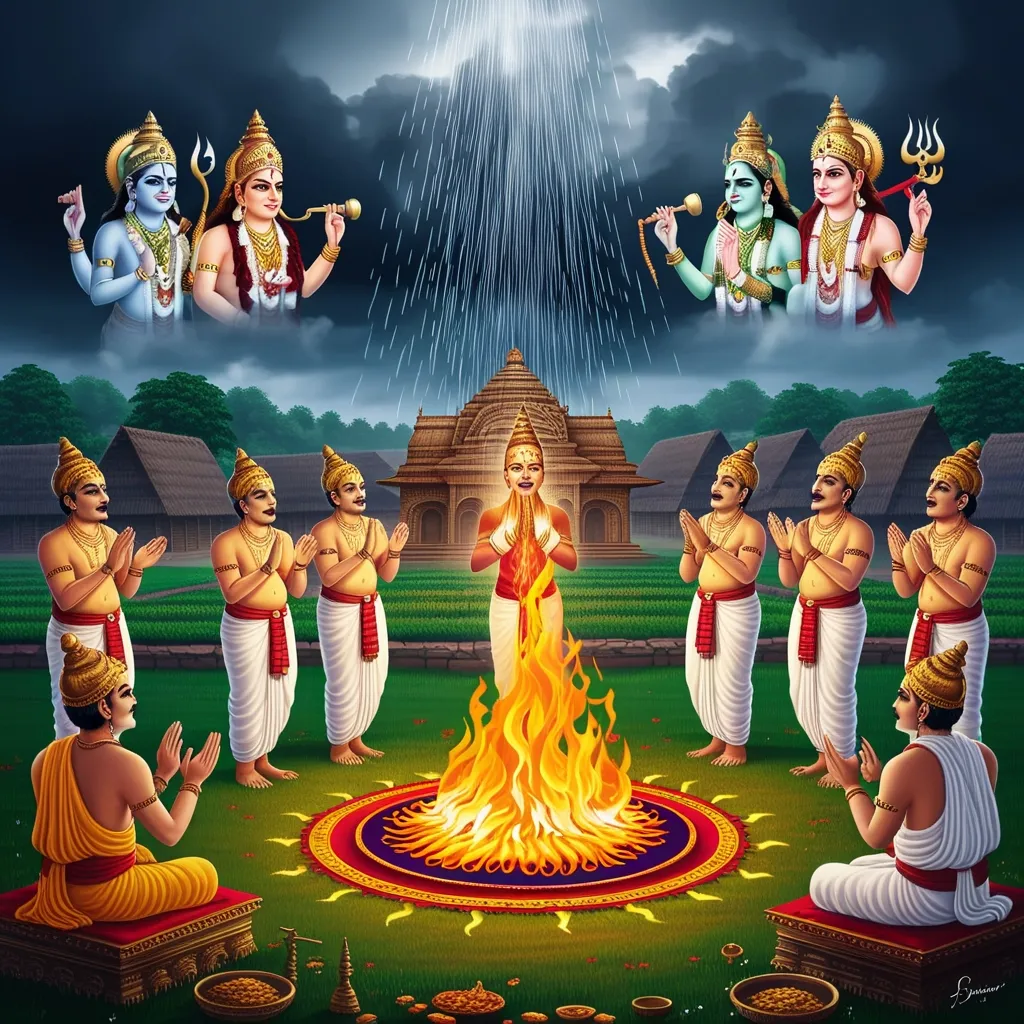
In the vast and intricate world of Hinduism, the concept of Vidhi stands as a cornerstone of Vedic ritual philosophy. Vidhi, or the principle of ritual injunction, is more than just a set of instructions; it is a profound philosophy that guides the performance of rituals and aligns human life with the cosmic order.
To understand Vidhi, we must delve into the Mimamsa philosophy, which is deeply rooted in the Vedic tradition. Mimamsa, meaning “reflection” or “inquiry,” focuses on the ritualistic aspect of the Vedas, known as the Karmakanda. This philosophy, developed by ancient seers like Jaimini and Kumarila, argues that performing rituals is essential for understanding one’s true self and ultimately achieving liberation, or Moksha.
At the heart of Vidhi are the prescriptive rules and injunctions found in the Vedas. These rules, known as Vidhi, guide ritual actions and ethical conduct, emphasizing the importance of adhering to these directives in both religious practices and moral obligations. For instance, Vidhi includes positive mandatory commands (Vidhi) and negative mandatory commands (Nishedha), which outline what ought to be done and what should not be done, respectively[4].
One of the lesser-known aspects of Vidhi is its emphasis on the precise meaning of words. In Mimamsa philosophy, the interpretation of Vedic injunctions is meticulous, with a focus on Nirukta, or the meaning of words. This ensures that every sentence in the Vedas is understood in its correct context, avoiding any potential contradictions. For example, if a statement in the Vedas is not falsifiable and does not clash with other true statements, it is assumed to be true[2].
Vidhi is not just about following rules; it embodies a deep understanding of cause and effect in both material and spiritual realms. The rituals prescribed by Vidhi use the properties of materials (dravya) for a specific purpose (prayojana). These actions can yield both worldly (laukika phala) and spiritual (paralaukika phala) benefits, which may be seen or unseen. This approach is akin to engineering, where the inherent properties of materials are exploited to achieve a goal, but in a spiritual context, it aims to connect humans with the divine for self-satisfaction and peace of mind[2].
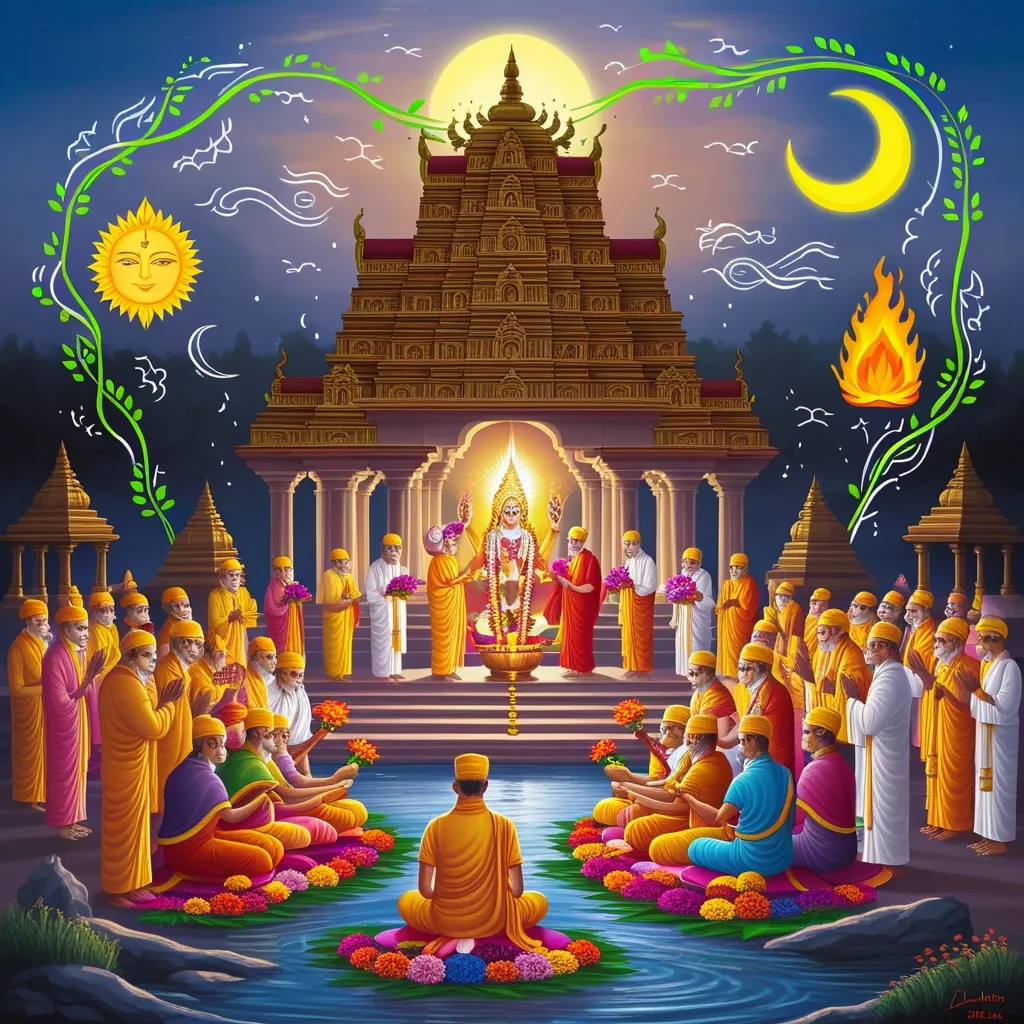
The performance of rituals under Vidhi is highly structured and involves various elements. For instance, the traditional 16-step puja, known as Shodashopachara Puja, includes steps like inviting the deity (Avahanam), offering a seat (Asanam), and performing various offerings such as water (Padyam), incense (Dhoopam), and food (Naivedyam). Each step is designed to engage the five senses, thereby centering the devotee’s attention and fostering spiritual growth through action, devotion, knowledge, and focus[1].
In these rituals, the deity is treated as a revered guest, welcomed with hospitality and served with love. The process of invoking the deity through a ceremony called Prana Prathishta, where the divine energy is infused into the murti (idol), and the subsequent Visarjan, where the energy is released, underscores the reverence and respect with which these rituals are conducted. This approach ensures that the rituals are not mere mechanical acts but are infused with a deep sense of devotion and spiritual connection[1].
The philosophy of Vidhi also highlights the importance of intention and action. According to Mimamsa, knowledge (Jnana) alone is not sufficient for liberation; it must be accompanied by the correct actions. The right cognition does not guarantee the performance of correct actions, emphasizing that both knowledge and action are essential for spiritual growth. This balance between Jnana and Karma is central to the Mimamsa philosophy, which sees rituals as a way to align human actions with the divine plan[2].
In the broader context of Hindu Dharma, Vidhi plays a crucial role in maintaining the cosmic order. The rituals, though they may seem complex and varied, are designed to harmonize individual life with universal principles. By performing these rituals, individuals contribute to the maintenance of Dharma, which is the moral and ethical order of the universe. This alignment is not just about personal spiritual growth but also about contributing to the well-being of the world at large.
Understanding Vidhi offers fresh insights into the nature of duty and the power of intentional action. It shows that rituals are not just traditions but a scientific approach to living a purposeful life. By adhering to the principles of Vidhi, one can infuse daily actions with a sacred purpose, aligning them with the cosmic order.
For those interested in Indian philosophy or spiritual practices, exploring Vidhi provides a rich and nuanced understanding of Vedic ritual philosophy. It reveals that the ancient seers did not view rituals as mere superstition but as a sophisticated system that connects human life with the divine. Whether you are a student of philosophy, a spiritual practitioner, or simply curious about different approaches to living, the concept of Vidhi opens new gates of understanding in your quest for cosmic alignment.
In essence, Vidhi is more than just a set of rules; it is a philosophy that guides us towards a harmonious and purposeful life. By embracing this philosophy, we can deepen our appreciation for the intricate world of Vedic rituals and find practical wisdom for living a life that is aligned with the cosmic order.