The Gayatri Mantra is one mighty ancient mantra in Hinduism that dates back to the Rig Veda, one of the oldest texts ever. This mantra is crafted in a style known as Gayatri, which is why it carries the name. Considered the “mother of all Vedic mantras,” it’s deeply woven into the Hindu tradition.
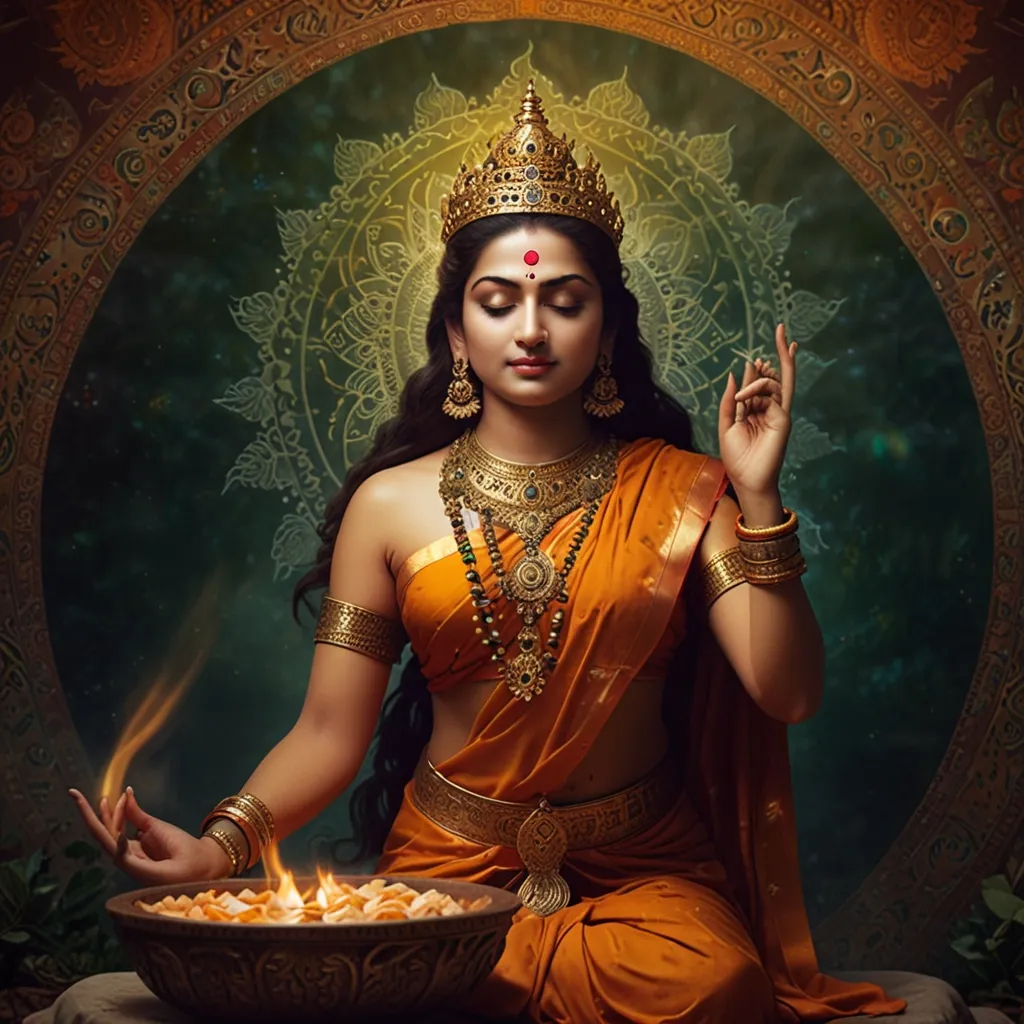
You first find the Gayatri Mantra in the Rig Veda, specifically in Mandala 3.62.10, penned between 1100 and 1700 BCE. It gets attributed to the sage Vishwamitra, who is thought to have grasped its full power. Dedicated to Savitr, a solar deity, it’s often linked to the Sun, representing the vital energy and protection it offers.
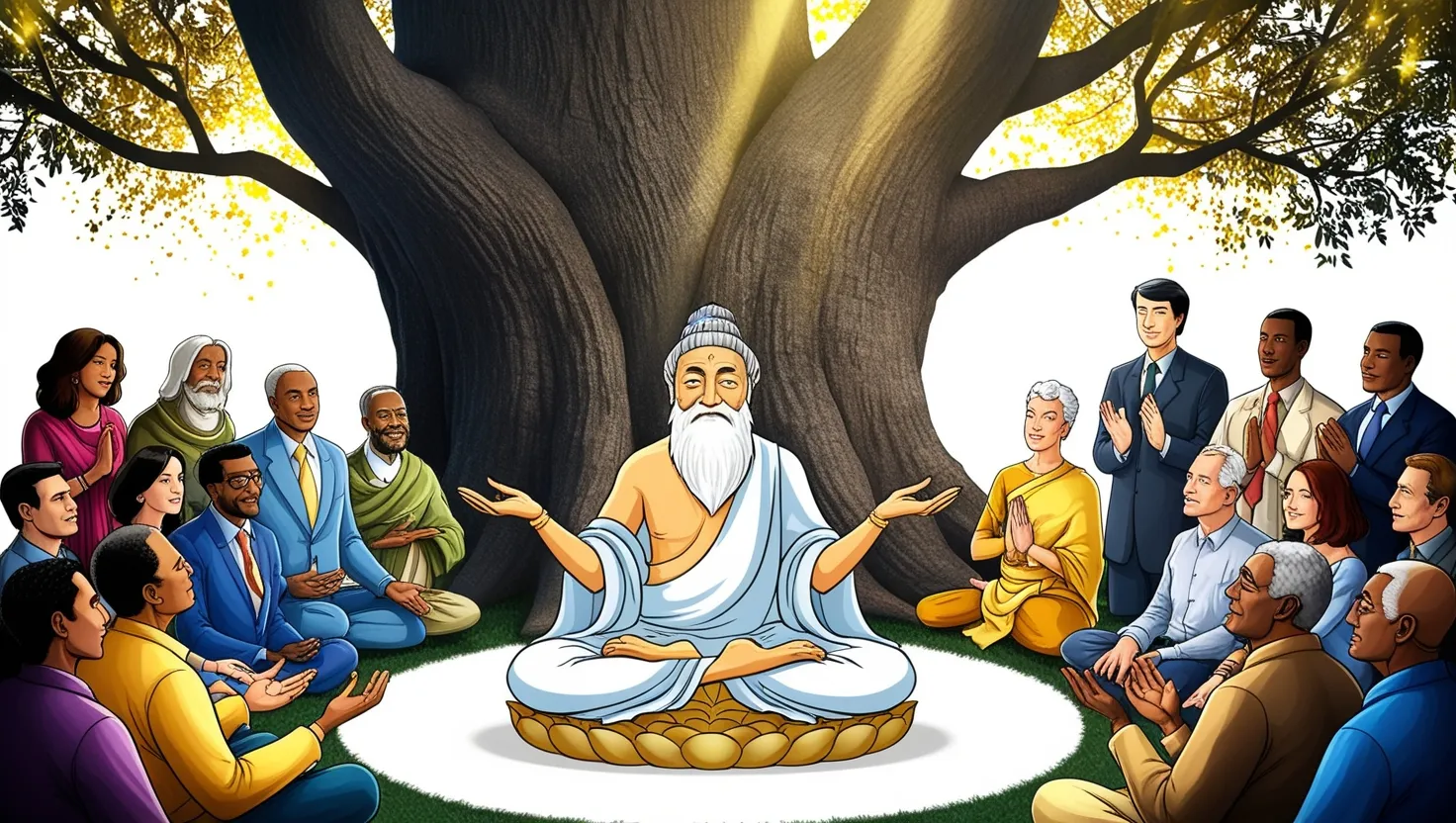
Traditionally, this mantra gets chanted to invoke divine light, knowledge, and wisdom. It’s integral to daily Hindu prayers and rituals, believed to bring divine blessings and protection to those who chant it with devotion. It’s not just about chanting; it’s seen as a tool for awakening and expanding one’s consciousness — a kind of prayer for wisdom and enlightenment.
In Hindu tradition, children get introduced to the Gayatri Mantra during the Upanayan ceremony, marking the start of formal education. Once upon a time, this ceremony was performed at different ages for different castes, but many of these old customs have faded in today’s world. Still, the mantra’s power and recognition in Hinduism remain strong.
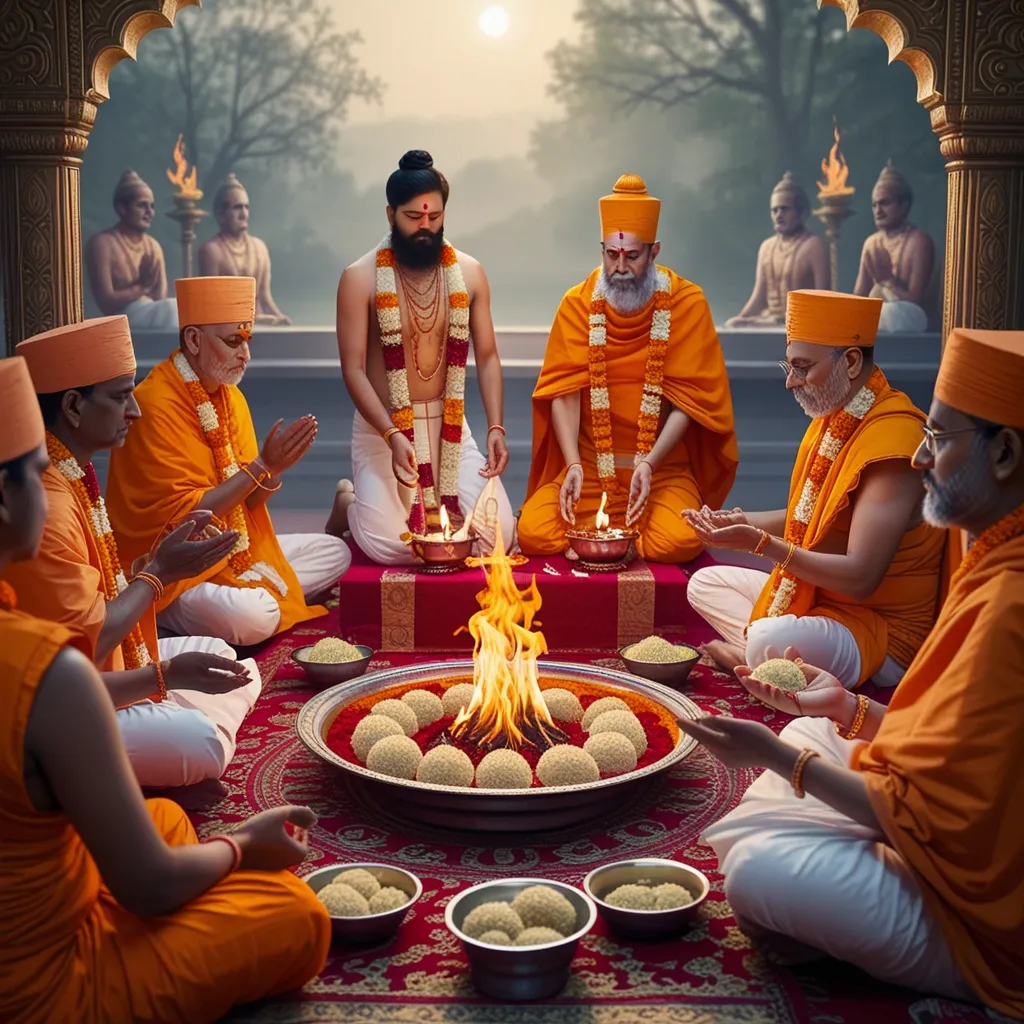
Believers typically recite the Gayatri Mantra during morning and evening prayers or meditation sessions. Imagine chanting it 108 times using a mala (prayer beads) to help concentrate and find a rhythm — this ritual helps in achieving a deeper meditative state. It’s believed that this daily practice aligns one with cosmic energies, bringing clarity and inner peace.
On a mental level, repeating the Gayatri Mantra can enhance concentration and focus. The rhythmic chanting and the specific vibrations from the sounds produced help calm the mind and reduce stress significantly. Regular recitation boosts mental discipline, aiding one in focusing better on tasks and improving cognitive functions. Emotionally, the mantra fosters a sense of serenity, providing a meditative focus that helps alleviate anxiety and promote positivity.
Spiritually, the Gayatri Mantra is a tool for awakening and expanding consciousness. It’s seen as a prayer asking the divine light to illuminate the mind. The mantra’s spiritual depth creates a sense of connection with the higher self and the universe. Regular practice is believed to purify the mind and spirit, helping personal growth and spiritual awakening.
There are various benefits to reciting the Gayatri Mantra with deep faith. It’s believed to bring long life, vitality, wealth, fame, and self-realization. Not just that, it helps in reducing stress levels and uplifting tranquility. The mantra also acts as a bridge to connect with nature, showing respect to Mother Earth for her abundant resources.
In today’s world, the Gayatri Mantra has found its way into popular culture through pendants, audio recordings, and mock scrolls. Enhanced by Hindu reform movements and organizations like the All World Gayatri Pariwar, it has reached the masses, especially with large-scale Gayatri yajñas in the late 20th century.
The Gayatri Mantra is part of the daily Trisandhyā Puja for many Balinese Hindus and Hindus in Indonesia. It gets chanted three times a day: morning, noon, and evening, highlighting its importance in daily religious routines.
In a nutshell, the Gayatri Mantra isn’t just an ancient prayer; it’s a source of spiritual growth, mental clarity, and emotional equilibrium. It continues to be a significant part of both the religious context and everyday life, offering a pathway to spiritual practice and enlightenment.