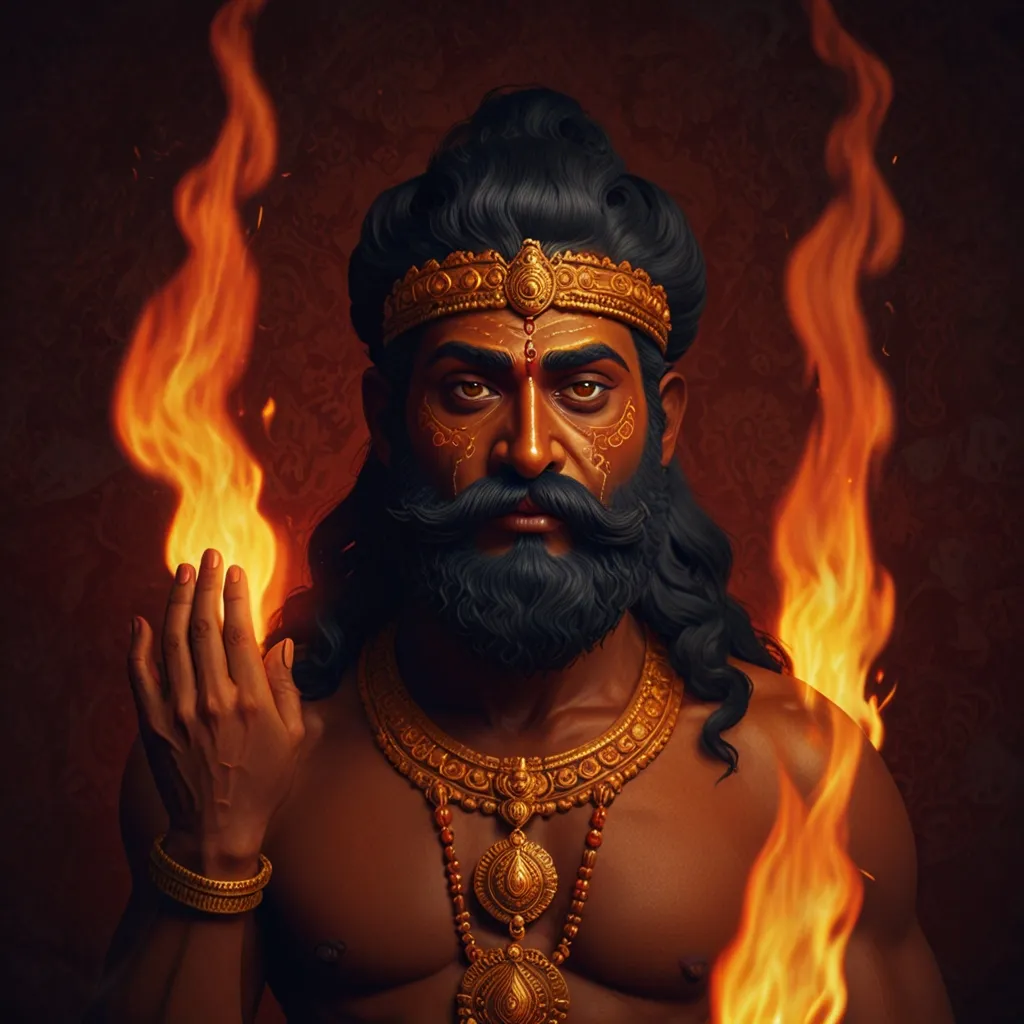
Agni, the god of fire, is a pretty big deal in Hinduism. He’s not just a figure in old stories; he symbolizes fire itself. Fire, in ancient traditions, is more than just something to keep us warm or cook our food. It’s seen as a sacred bridge that connects humans with the divine. Agni’s got a pretty cool look too - often depicted as a red guy with two flaming heads representing the dual nature of fire. One head is kind and nourishing, the other intense and destructive, showing fire’s ability to both sustain and obliterate life.
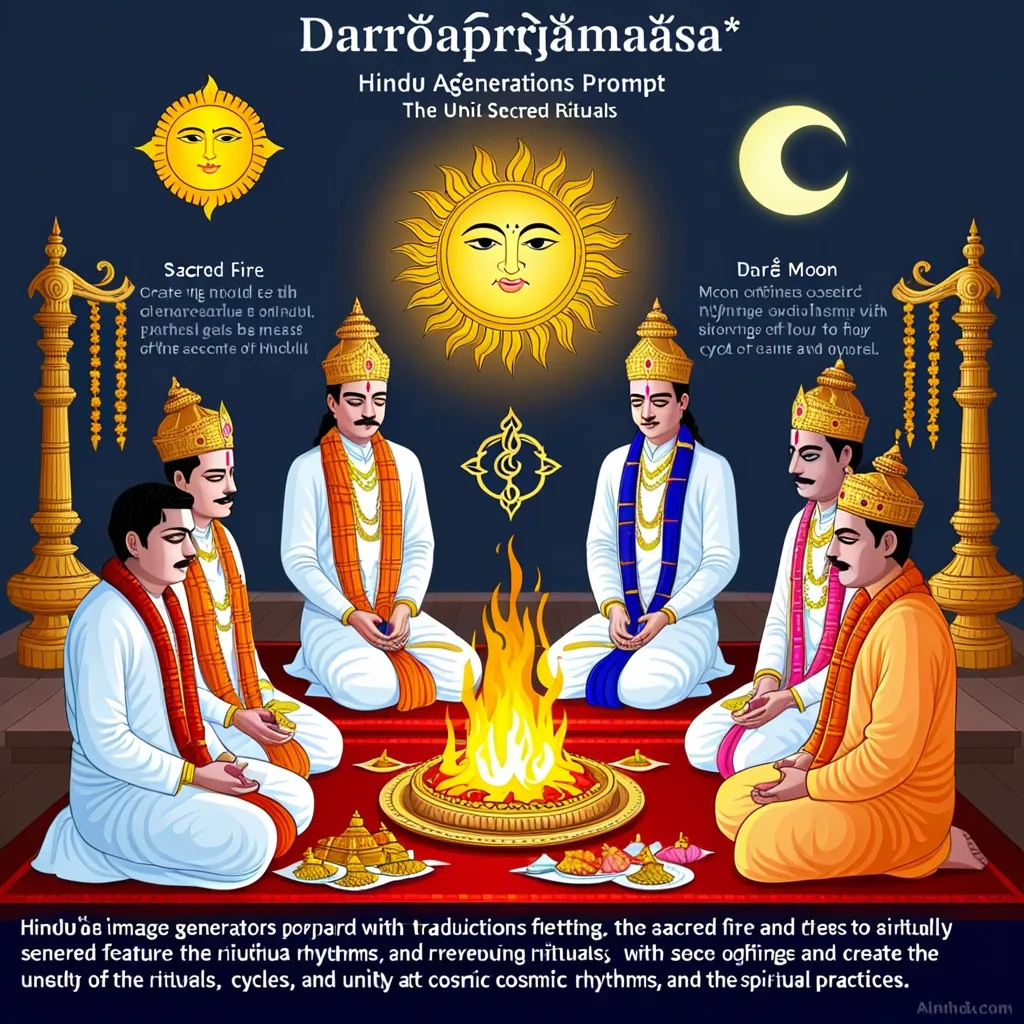
At home, Agni takes on a guardian role. The constant flicker of domestic fires is like having an eternal connection to the divine. These fires serve purposes far beyond just cooking food. Daily rituals like Agnihotra, where offerings are made to the fire, are a way to reach out to the divine, seeking blessings for the family. Having Agni in the home is considered to bring all kinds of good vibes like comfort, prosperity, and welfare. During key life events such as marriages and funerals, Agni’s role becomes especially critical. His flames purify and sanctify, marking the importance of these events.
Now, when it comes to public rituals, things get a bit more elaborate. These are known as śrauta rites and involve multiple priests, lots of planning, and a ton of offerings. Agni is still the star of the show here. Building a fire altar for these ceremonies can be quite the project, sometimes taking years to prepare. One of the biggest rituals, the Agnicayana, is a twelve-day ceremony involving the creation of a complex fire altar and offerings to Agni and other deities. Agni’s role in these grand ceremonies is to act as a messenger between humans and gods, transforming offerings into something divine through his flames.
When it comes to sacrifices, Agni stands out as the head priest, or hotr. Vedic sacrifices are a big part of worship, with offerings of ghee, flowers, and herbs poured into the fire as a way to connect with divine forces. Agni’s seven tongues, each having its own special name, are believed to lick up these offerings and carry them into the heavens.
An interesting aspect of these rituals is the precision behind them. The construction of fire altars during public ceremonies like the Agnicayana involves astronomical and mathematical calculations. The design of the altar is meant to mirror the cosmos, showcasing the advanced understanding of sciences the ancients had. Every day of the ritual, a new layer adds to the altar, making clear how deeply they understood math and astronomy.
Agni’s significance isn’t just limited to these rituals. He embodies the power and control over fire, an element crucial in human history. Rituals involving fire were common among ancient Indo-European peoples, underscoring his importance. Many stories in Hindu mythology highlight Agni’s role as a protector and a transformer. In one of the tales from the Mahabharata, Agni regains his strength by consuming the Khandava forest, showing off his immense power.
Despite the changes in rituals over time, Agni’s importance remains unchanged. Domestic sacrifices performed during Hindu weddings and funerals today still reflect ancient practices, showing how Agni’s presence continues to link back to India’s ancient period.
In modern yoga practices, the concept of Agni is still relevant. The internal fire within the body, often cultivated through yoga practices like Ashtanga, turns the torso into a kind of fire pit altar. The movements of yoga become offerings to this internal fire, believed to bring transformation and wisdom – much like the ancient Vedic practices centered around Agni.
Agni is a multifaceted figure whose importance stretches across both domestic and public rituals in Hinduism. As a guardian at home, a messenger, and a transformer in rituals, Agni embodies the essence of fire’s dual nature - the power to create and destroy. Whether in simple daily offerings or grand public ceremonies, Agni continues to be a vital part of Hindu culture, connecting humans to the divine and symbolizing the timeless power of fire. His continued presence in modern practices shows just how enduring his significance is, bridging the ancient and the contemporary in a powerful way.