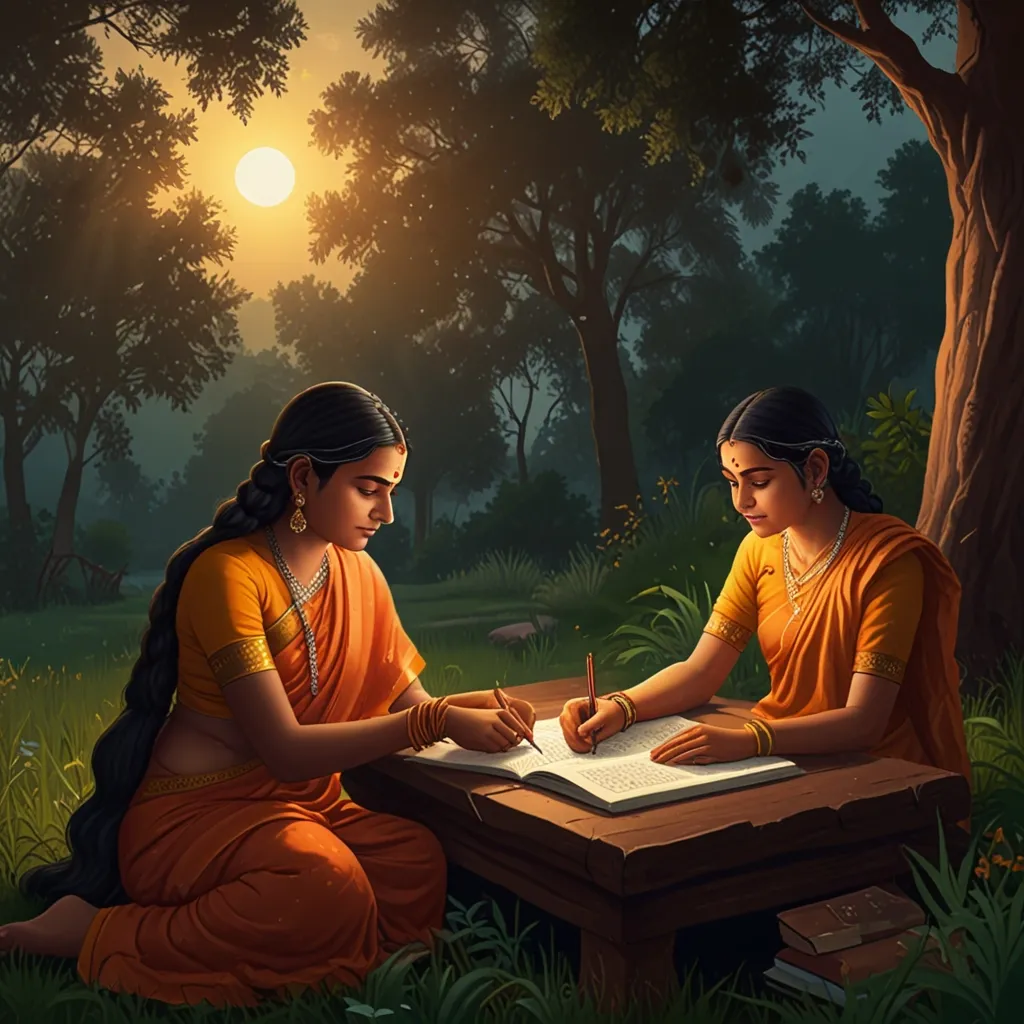
The Vedas and Upanishads are super important to Indian culture. They’ve shaped the country’s religion, philosophy, and even how society works today. These ancient texts are packed with wisdom and practical advice that still affects everyday life.
Dating back to between 1750 and 1200 BCE, the Vedas are the oldest Sanskrit literature and foundational to Hinduism. There are four main Vedas: the Rigveda, Yajurveda, Samaveda, and Atharvaveda. Each Veda has four parts: mantras and prayers (Samhitas), ritual commentaries (Brahmanas), meditative rituals and thoughts (Aranyakas), and spiritual discussions (Upanishads). The Vedas are considered “shruti,” meaning “what is heard,” as they were revealed to ancient sages through deep meditation.
The Upanishads, the final part of the Vedas, are known as “Vedanta,” signifying the culmination of Vedic wisdom. They shed light on Vedic concepts via engaging narratives and dialogues, promoting personal spiritual exploration. There are around 180 to 200 Upanishads, but the 13 that are part of the four Vedas are the most renowned. These texts address themes like the connection between the individual soul (Atman) and the supreme reality (Brahman), the importance of self-discipline, and the difference between higher and lower knowledge.
The Vedas and Upanishads have profoundly influenced Indian culture. During the Maurya and Gupta empires, Hinduism, grounded in these texts, unified Indian society. Emperors used Hinduism to strengthen the social hierarchy, or caste system, which made it hard for people to change their social status. This Aryan-originated system divided people into four main classes: brahmins (priests), kshatriyas (warriors and aristocrats), vaishyas (peasants and merchants), and shudras (serfs).
Hinduism, influenced by the Vedas and Upanishads, also reinforced the concept of karma. It suggested that good behavior could lead to being born into a higher caste in the next life. Epic poems like the Mahabharata and the Ramayana, composed between 1500 and 500 BCE, further popularized Hindu values and stories of gods like Vishnu. The Bhagavad Gita, part of the Mahabharata, underscored the importance of fulfilling one’s caste duties for salvation, making Hinduism more accessible to lower castes.
The Vedas also influenced education and social norms. The traditional education system, or gurukula, aimed to teach Brahmin males to recite, memorize, and embody the Vedas. This tradition continues in modern India, ensuring Vedic traditions and Brahmin identity are passed from one generation to the next.
Beyond religion and education, the Vedas and Upanishads have shaped Indian philosophy and cultural practices. The Vedic Age is marked by sacrificial rituals, or Yajñas, where offerings were made to gods like Agni, Indra, and Varuna. These practices deeply root India’s cultural heritage in Vedic philosophy and beliefs.
The Upanishads, with their timeless wisdom and practical advice, remain a cornerstone of Indian culture. They provide insights into the human condition, reality, and self-actualization. Their influence spans across Hindu traditions and has impacted other religions like Buddhism, Jainism, and Sikhism.
The Vedas and Upanishads aren’t just old texts; they’re vital and enduring parts of Indian life. Their influence is visible everywhere in India, from religion and education to social norms and cultural practices. These texts continue to guide Indians on their spiritual journeys, offering a rich tapestry of wisdom that has stood the test of time.