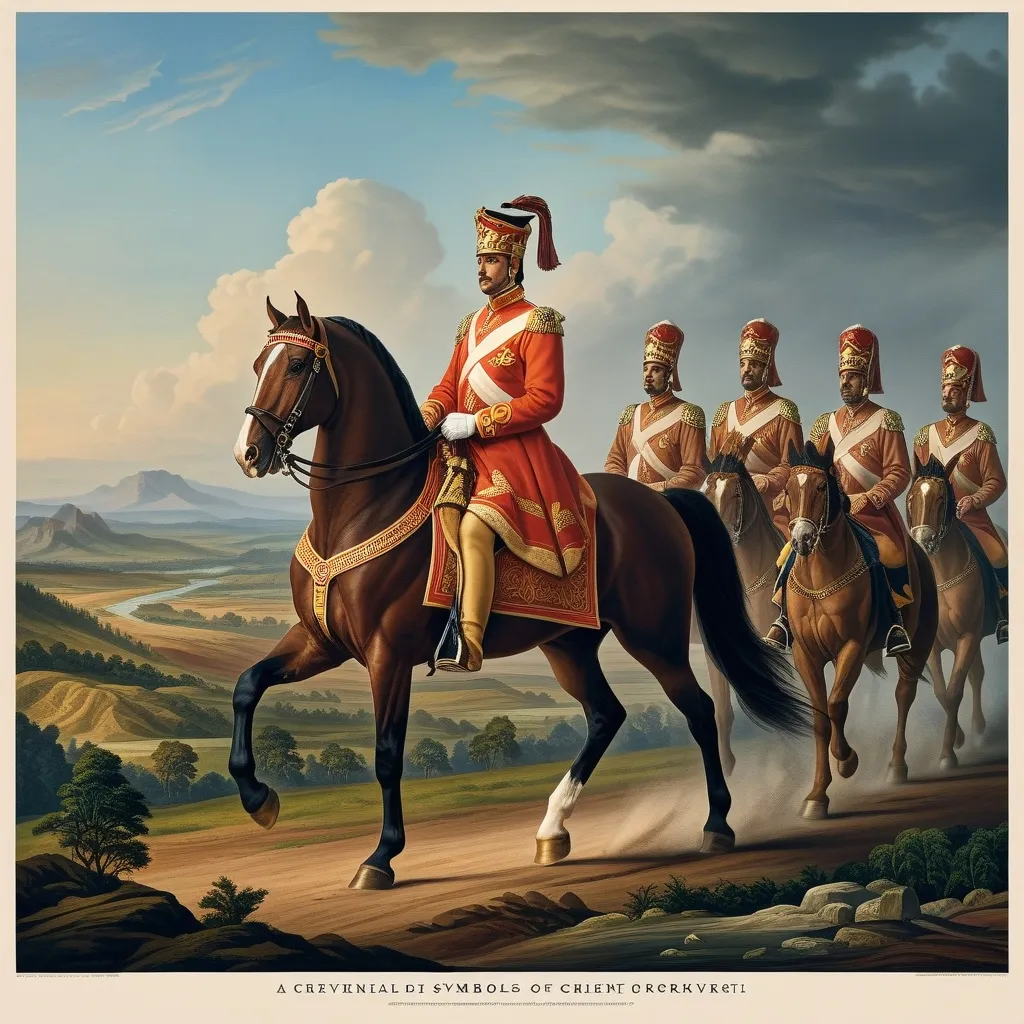
The Ashvamedha Yajna is one of those ancient rituals that catch your eye with its grandeur and complexity. Imagine ancient times when only the most powerful kings could even think about performing it. The ritual’s roots run deep into the Vedic period and was pretty much a flex for a king’s power and reign.
The name ‘Ashvamedha’ actually translates to ‘horse sacrifice.’ Crazy, right? But this wasn’t just any old ceremony. It was a massive event that marked the king’s dominance over neighboring regions and blessed his kingdom with prosperity and stability. Only a ‘chakravartin,’ an emperor who ruled over other kings, could pull off such an event. And it was as much about showing off as it was about securing a prosperous future.
In the heart of this grand ritual was a horse, not just any horse, but one chosen carefully for its purity and strength. This horse had quite a journey ahead. It was set free to roam around for a whole year, but it wasn’t alone; a squad of the king’s men followed it closely. The idea was that any neighboring territory that dared to catch or stop the horse was essentially challenging the king’s authority. If the horse returned without any confrontation, it was a clear sign that no one dared to challenge the king’s power.
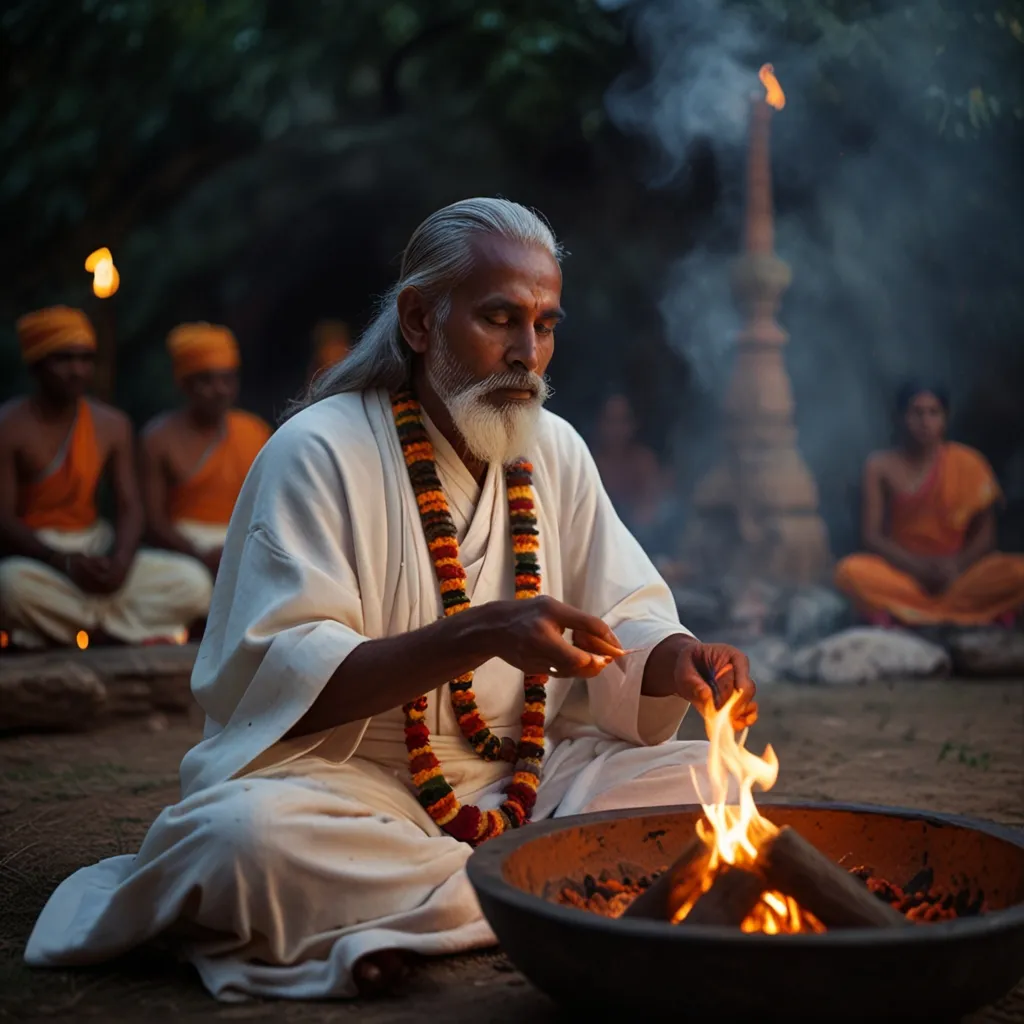
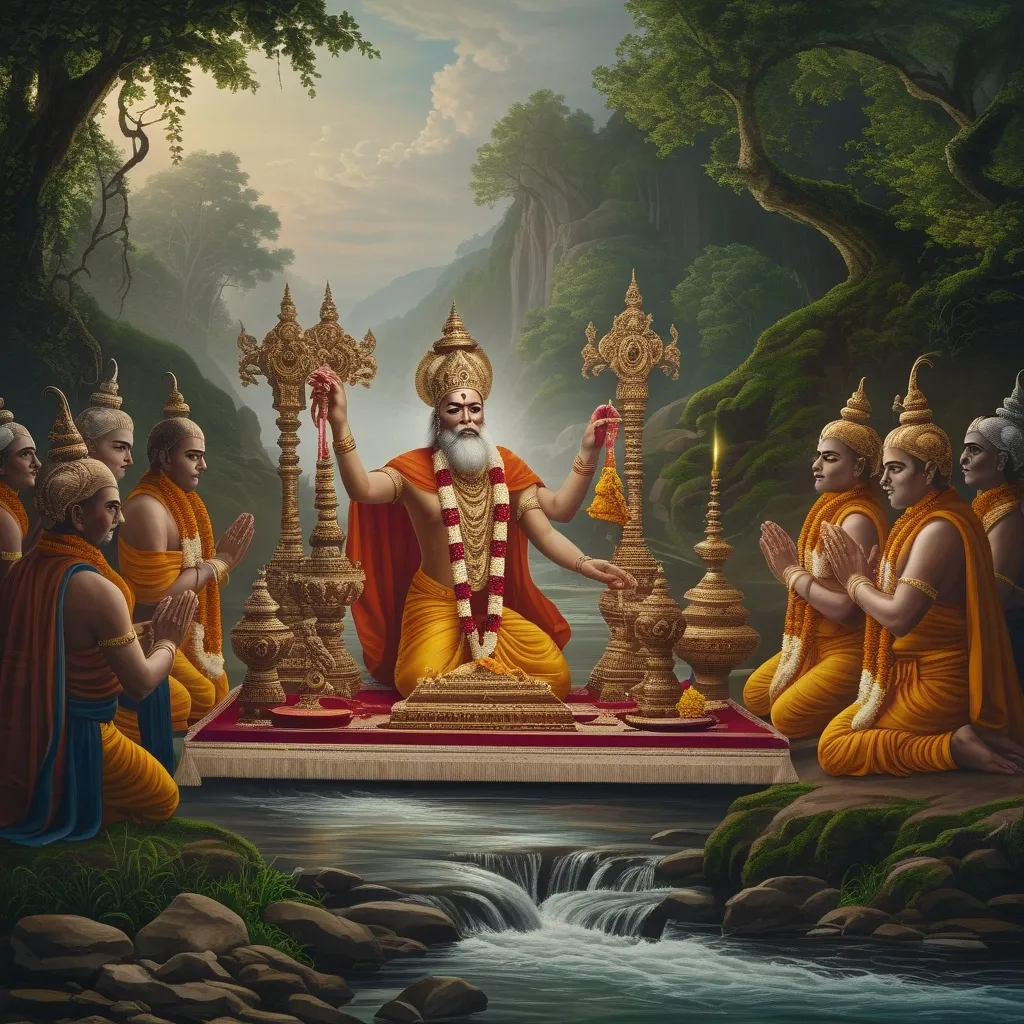
After this adventurous journey, the horse would come back, and that’s when the big ceremonial show would start. This bit was all about the sacrifice. Yes, the horse was sacrificed, and this act was surrounded by a series of sacred rituals and ceremonies that the Yajurveda spells out in intricate detail. Everything from constructing a fire altar to a special sacrificial house was executed with precision. Both the king and queen had significant roles to play in these rituals, aiming to reaffirm the king’s dominance and ensure the kingdom’s ongoing prosperity.
Now, let’s dig into the symbolism of this whole act. The horse was more than just an animal in this setting; it was a living symbol of the king’s might and the wealth of his land. This ritual wasn’t just about the king alone; it brought in the whole notion of ‘Rajatva,’ which is kinghood central to the state’s health. Sacrificing the horse was like dedicating the ruler and his people to a greater cause, to safeguard and uplift the nation.
Times changed, and so did the Ashvamedha Yajna. As society shifted from being nomadic to settling down in one place, this ritual evolved. Initially, it was all about ensuring the land’s fertility and people, but later it became a way for the king to establish his elevated status. By the late Vedic period, it was a grand spectacle that solidified a king’s rule and showered his reign with prosperity.
One of the more eyebrow-raising parts of this whole affair was the queen’s role. According to some sources, the chief queen had to perform a ritual involving symbolic intercourse with the sacrificed horse. In today’s world, this seems downright controversial, and many modern Hindus reject this notion due to its perceived obscenity. However, back then, it was interpreted as a sign of fertility and the queen’s crucial role in ensuring the kingdom’s prosperity.
Fast-forward to today, and the Ashvamedha Yajna is seen through a variety of lenses. Some criticize it as an outdated and brutal practice, while others see its deeper layers of symbolism and significance. The ritual’s themes of nation-building and dedication to a higher cause often get a nod. Even though parts of the rite are contentious, the Ashvamedha Yajna still stands tall as a vital piece of Hindu history and tradition.
Historically speaking, the last recorded performance of the Ashvamedha Yajna was in the early 18th century by Maharaja Jai Singh II of Amber in 1716. This marked the closing chapter of a ritual that once played a central role in establishing the grandeur of Hindu kingship and sovereignty.
The legacy of the Ashvamedha Yajna left a deep impact on Hindu culture and literature. You’ll find mentions of it in epic narratives like the Ramayana and Mahabharata, showing it as a divine emblem of royal power and authority. The tradition and values associated with the king’s role as a protector and prosperer of his kingdom echo through Hindu philosophy and practice.
To wrap this up, the Ashvamedha Yajna was no ordinary ritual. It was an elaborate, multifaceted ceremony that showcased a king’s power, aimed at ensuring his kingdom flourished, and symbolized a dedication to a higher purpose. Despite its changes and the controversies that shadow it today, the Ashvamedha Yajna remains a cornerstone of rich Hindu traditions and history.