In the grand mosaic of Hinduism, non-violence, or ahimsa, takes center stage. Rooted deeply in Vedic philosophy, ahimsa emphasizes compassion, empathy, and the interconnectedness of all beings. It’s more than just avoiding violence; it’s about a higher consciousness that seeps into every part of life.
The Heart of Ahimsa
Understanding ahimsa means grasping that it’s not just about not hitting someone or causing physical harm. It’s about living in a way that promotes harmony with everyone and everything around us. Every action, thought, and word can either harm or heal, and recognizing this helps us live more mindfully. This philosophy nudges us toward a lifestyle avoiding harm to any living creature, whether through our deeds, words, or thoughts.
Living in Universal Harmony
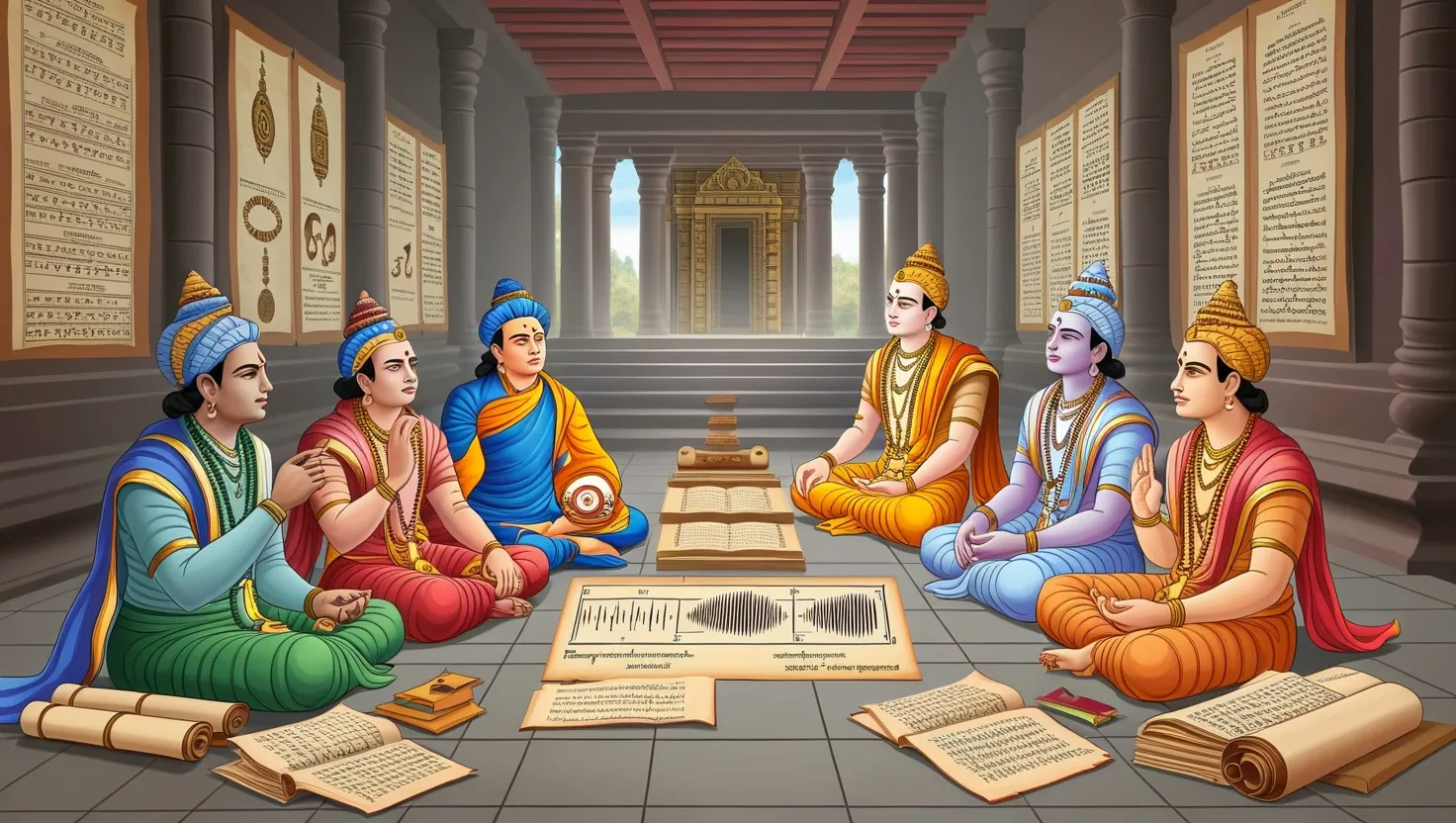
Vedic scriptures are packed with calls for peace and harmony. Take the Yajurveda, for example, which has Shanti Mantras (peace prayers). These prayers ask for peace in heaven, the atmosphere, earth, waters, plants, trees, and within the divine. It’s a beautiful way of showing that everything is interconnected, and we need to live harmoniously with nature and all living beings.
Cultivating Compassion and Empathy
Compassion and empathy are crucial in the practice of ahimsa. Hindus hold the belief that a divine energy exists in all living and non-living things, promoting an attitude of tolerance and acceptance. This perspective encourages treating all beings with respect and reverence, seeing the sacredness within every form of life.
Non-Violence in All Forms
Ahimsa goes beyond physical non-violence. It’s about avoiding harm through our words and thoughts too. Swami Muktananda’s quote sums it up nicely: “Observe nonviolence in mind, speech, and body. Never break another’s heart. Avoid wounding another’s feelings. Harm no one. Help all.” It’s about ensuring we never inflict harm mentally or emotionally on others.
Morality is Contextual
Vedic philosophy acknowledges that ethics can be subjective and context-dependent. The Mahabharata gives a nuanced view where non-violence is the highest duty, but sometimes violence is justified out of duty. It presents the complexity we face in real life, where moral decisions are often not clear-cut.
Dharma and Duty
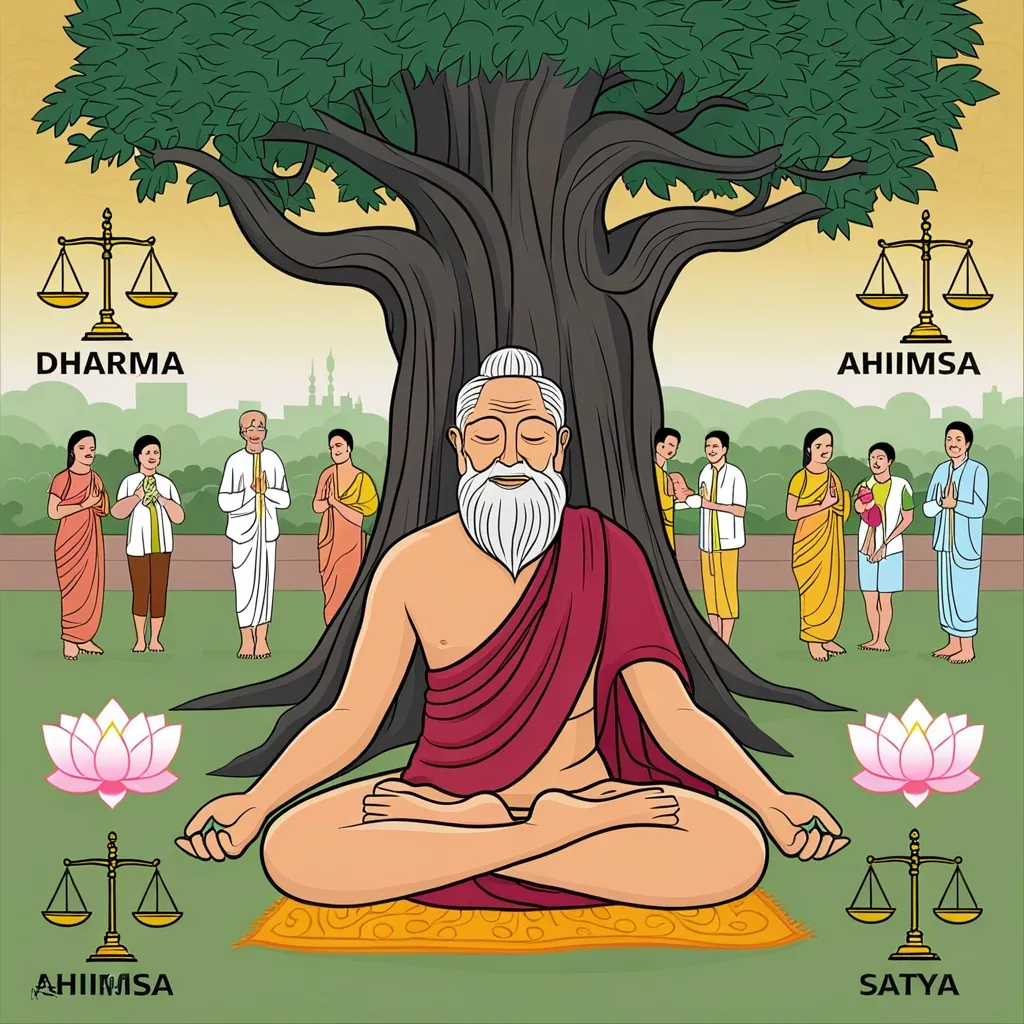
Tied closely to ahimsa is the concept of dharma—righteous living. Following dharma means adhering to universal principles like truthfulness, honesty, and compassion for all living beings. The Bhagavad Gita underscores the importance of performing one’s duties without attachment to the outcomes, balancing action with non-action.
Living Environmentally Harmonious
Another crucial aspect of Vedic ethics is living harmoniously with nature. The Atharvaveda teaches against harming the environment, stressing the importance of protecting the earth for future generations. This ancient wisdom highlights our interconnectedness with nature and encourages sustainable, respectful coexistence.
Path to Personal Transformation
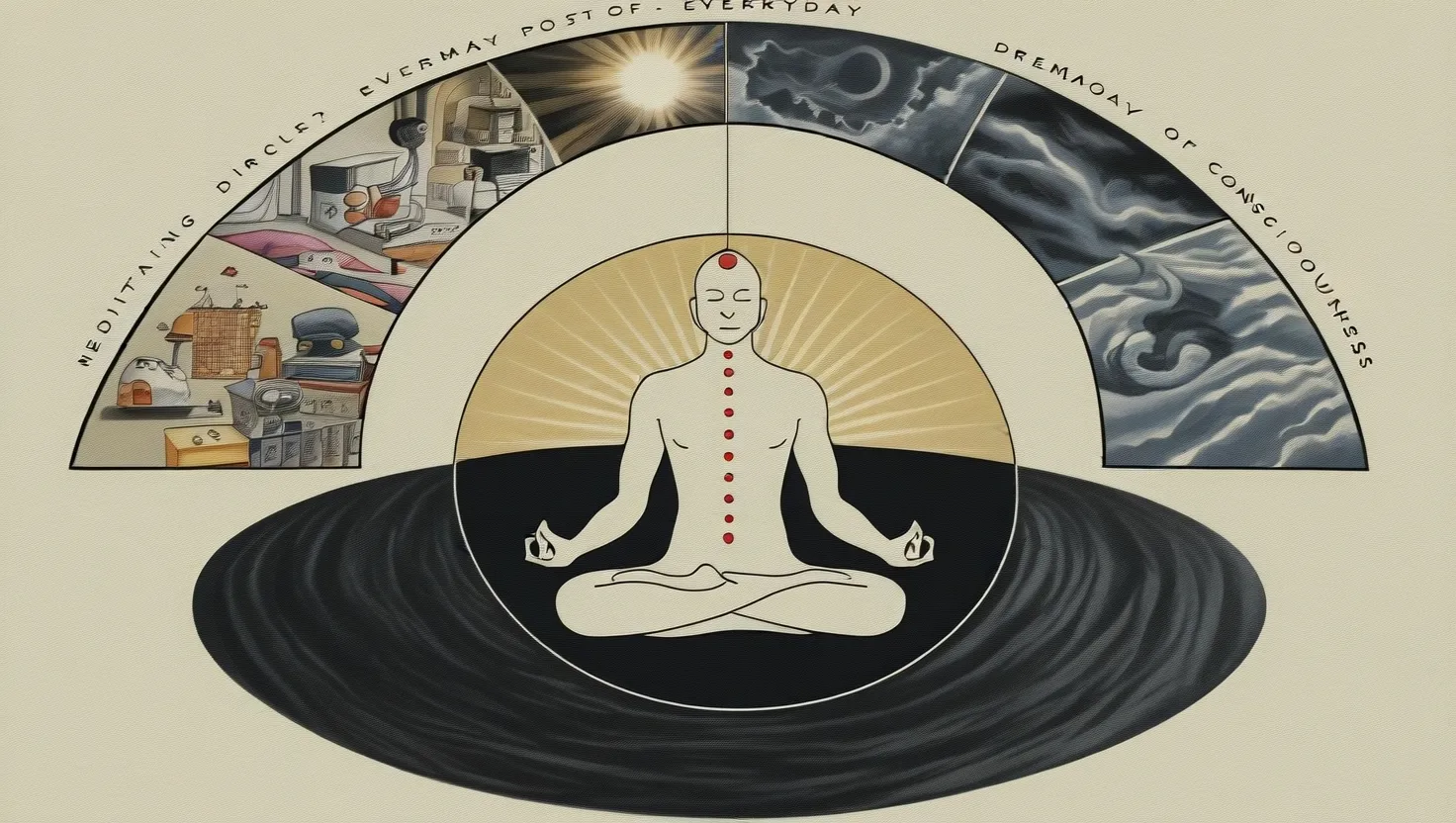
Ahimsa isn’t just about how we treat others; it’s also about personal transformation. It involves overcoming internal conflicts and reaching a state of inner peace. Dr. S. Radhakrishnan noted how a Hindu sage who sees the entirety of life ceases to fight because they have resolved their inner conflicts and now rest at peace.
Collective Consciousness
Indian society’s collective consciousness, shaped by teachings from Hinduism, Jainism, and Buddhism, has promoted non-violence and tolerance. This mix of beliefs has created a culture where different paths to enlightenment are accepted as long as they don’t harm others.
Practical Ahimsa
In practical terms, living by ahimsa means minimizing harm in our daily lives. Many Hindus adopt a vegetarian diet to avoid harming animals. It also affects social interactions, encouraging speaking truthfully and pleasantly to avoid causing harm through words.
The Historical Impact of Ahimsa
The influence of ahimsa is evident in historical events such as the Indian independence movement. This movement, led by figures like Mahatma Gandhi, showcased the power of non-violence in bringing about significant social change.
Modern-Day Relevance
In today’s world, filled with conflicts and environmental issues, the principles of ahimsa remind us of the importance of living harmoniously with nature and other beings. By embracing non-violence, we can work towards a more compassionate and sustainable world. As Swami Satchidananda said, “Someone who believes in violence and continues causing injury to others can never be peaceful himself.”
Wrapping Up
The Vedic philosophy of non-violence is a rich tapestry threaded with compassion, empathy, and interconnectedness. By embracing ahimsa, we contribute to a world where peace and tolerance guide our actions. This ancient wisdom remains relevant, offering a profound path to personal and global harmony.
Living by ahimsa doesn’t only mean avoiding physical violence but also cultivating a conscious lifestyle that fosters peace and harmony in every aspect of our lives. As our world faces increasing challenges, the timeless principles of ahimsa provide a beacon of light, guiding us toward a more compassionate and balanced existence.