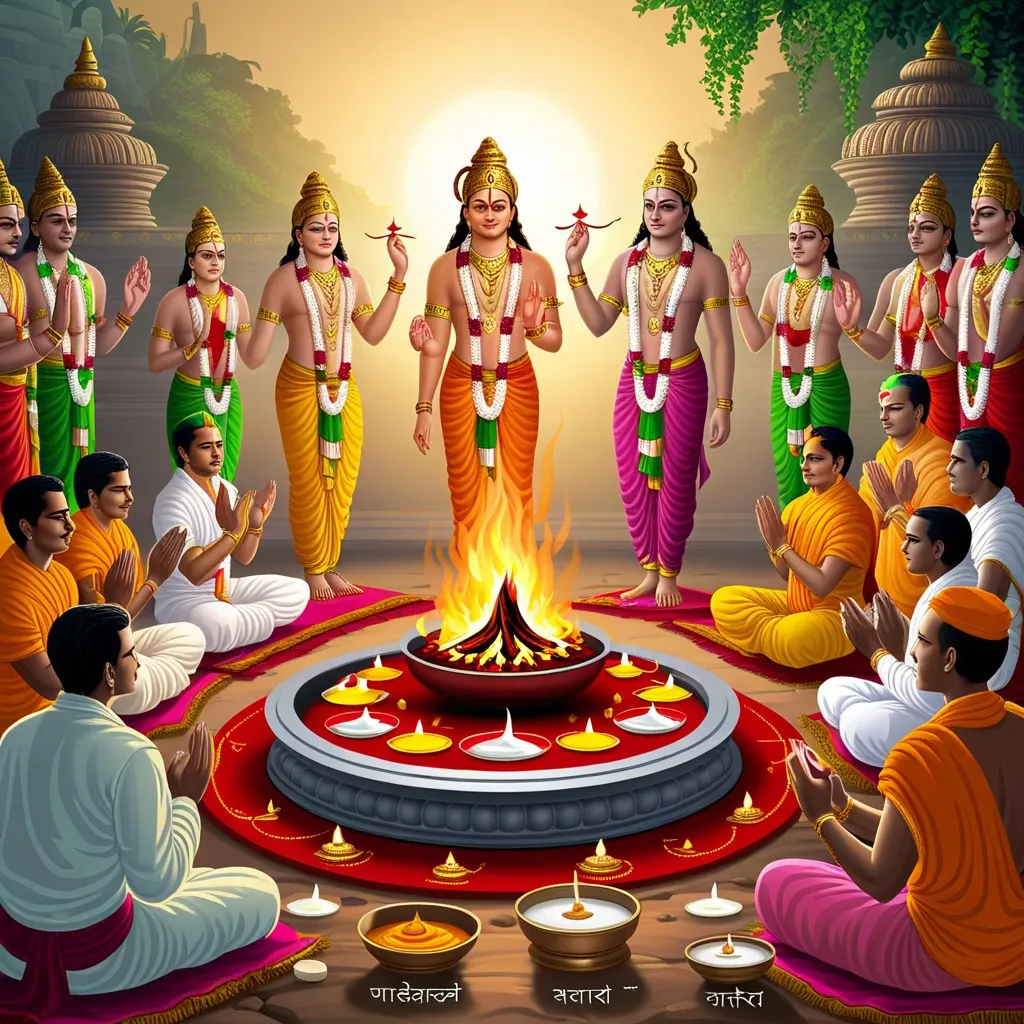
Karma is a big deal in Hinduism and has its roots in ancient texts called the Upanishads. These texts came after the Vedas and took things to a deeper level, exploring bigger philosophical and spiritual ideas. Initially, “karma” was all about performing rituals perfectly to get good results. But the Upanishads took this further and linked karma to the consequences of all actions—basically, what you do now affects your future.
In the Upanishads, karma isn’t just about rituals. It’s about every action having a consequence. They teach that if you do good things, good things will happen to you, and if you do bad things, well, you get the idea. This idea means that while your future is influenced by what you did in the past, it’s not set in stone. You can change your future by doing good things now.
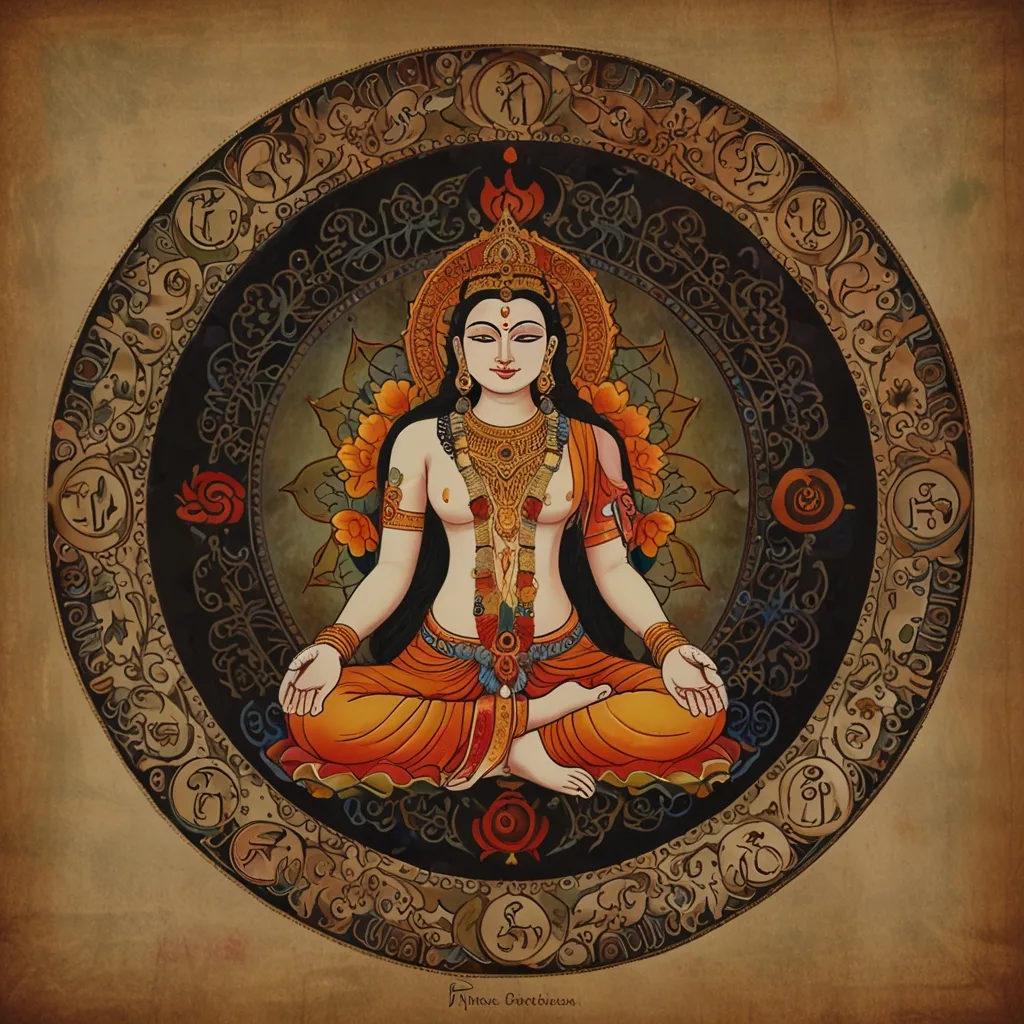
Rebirth is another key topic in these texts. The idea is that your actions in this life shape your next life. This endless cycle of birth, death, and rebirth is called saṃsāra. The ultimate goal? Breaking free from this cycle, which is called mokṣa. Reaching mokṣa means realizing your true self as pure consciousness, something deeply explored in the Mandukya Upanishad. It’s not just about believing this but truly understanding it.
Karma in the Upanishads isn’t about fate. It’s about taking responsibility for your actions. It promotes living ethically and continually improving yourself. While your current life is a result of past actions, you have the power to shape future lives by making good choices now. This view encourages ongoing self-refinement and moral growth.
These texts also delve into the connection between the individual self (ātman) and the universal self (Brahman). Realizing this unity is key to achieving mokṣa. When you understand that you’re part of a greater universal consciousness, you can break free from the cycle of rebirth.
To sum it up, karma in the Upanishads is a powerful concept for personal and spiritual growth. It stresses the importance of ethical actions and encourages striving for self-improvement. By understanding and living by the principles of karma, one can navigate through the cycle of rebirth and aim for ultimate liberation.