In the vibrant realm of Hindu mythology, nestled deep within captivating tales and divine deeds, lies the enthralling story of Neelkanth. This riveting saga spotlights Lord Shiva, one of Hinduism’s most venerated deities, and his extraordinary quest to save the universe from a lethal poison.
Picture a time when gods and demons, normally at odds, united for a monumental task. This colossal mission was to churn the ocean of milk, hoping to unearth the nectar of immortality—a venture famously known as the Samudra Manthan. The cosmic churn was no small feat. They enlisted the serpent Vasuki as their churning rope and the formidable mountain Mandara as their churner. From the depths of the ocean arose many divine treasures: the enchanting goddess Lakshmi, the healing god Dhanvantari, and the celestial tree Parijat.
Yet, not all that emerged from the churn was beneficial. Amidst the treasures, a pot brimming with halahala, a deadly poison, surfaced, emitting a terrifying threat capable of annihilating the entire universe. Panic spread like wildfire among the gods and demons, for they were ill-equipped to handle this noxious apparition.
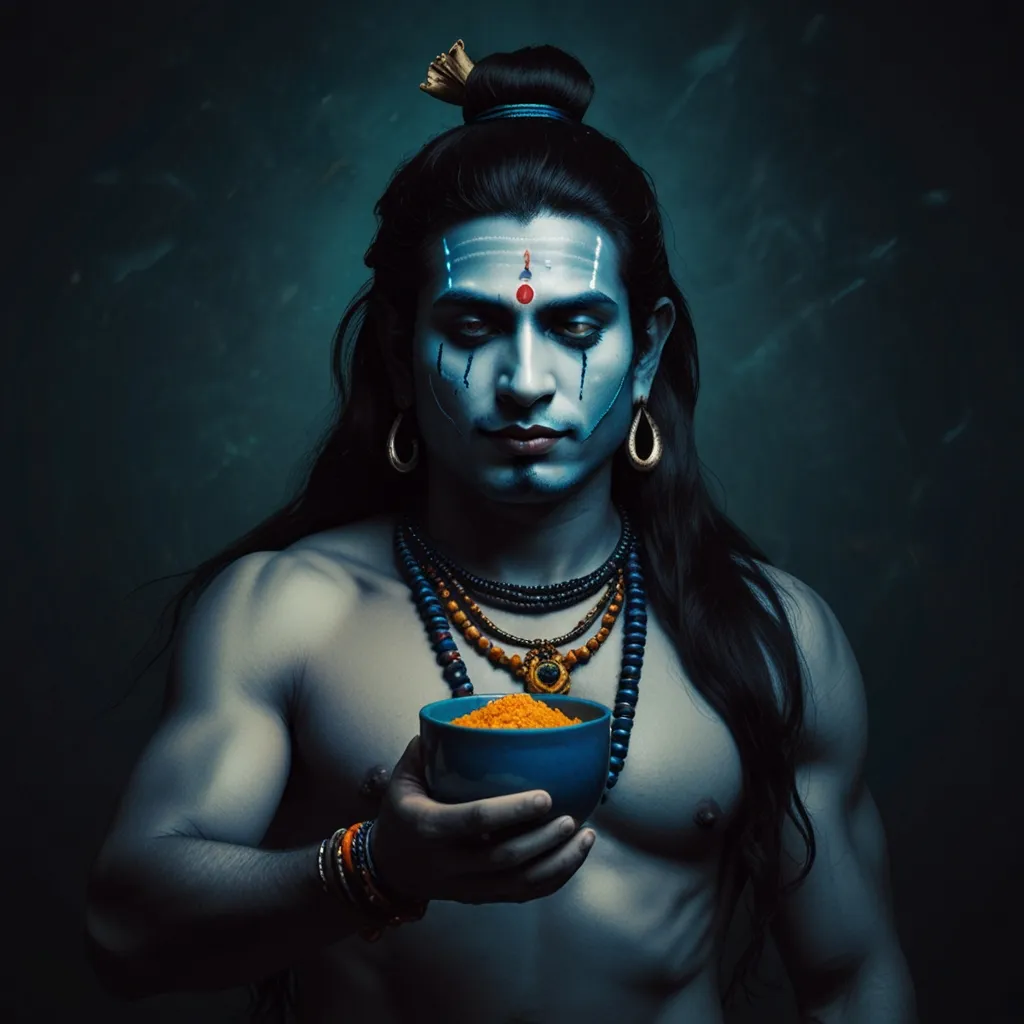
Stepping into the fore, with a calm demeanor and resolute heart, was Lord Shiva. The universe’s fate hung precariously, and it was he who accepted the perilous task of consuming the virulent poison. The gods and demons watched in a mix of hope and fear as Shiva, embodying calm resilience, swallowed the poison.
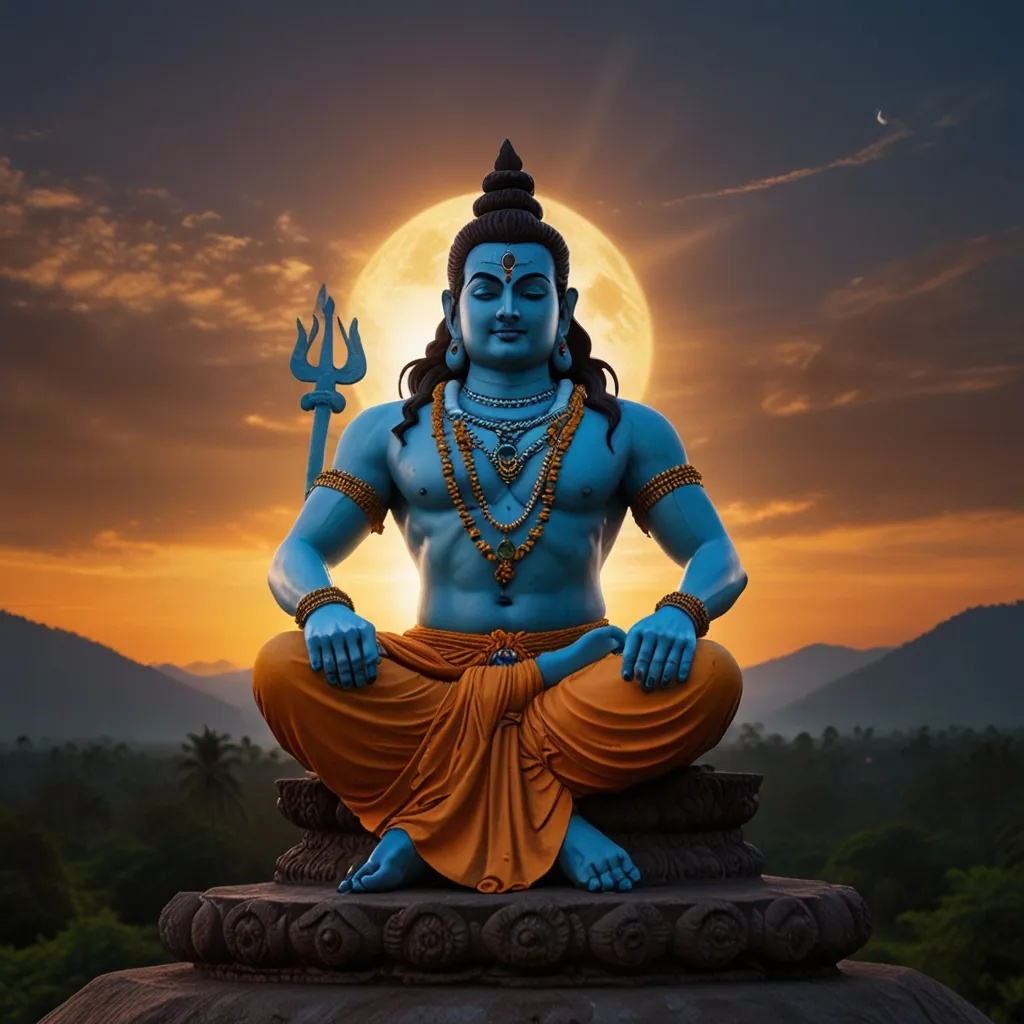
A remarkable transformation ensued. The poison lodged in Shiva’s throat, turning it blue, which earned him the name Neelkanth, meaning “the blue-throated one.” The potency of the poison was such that it would have felled any other being, but Shiva’s divine essence allowed him to contain the deadly toxin within his throat without succumbing to it.
The tale of Neelkanth transcends mere myth; it’s a profound narrative of self-sacrifice and the enduring responsibility to shield the world from impending doom. Shiva’s heroic gulp saved countless lives and preserved the cosmic balance—an act of martyrdom echoing through ages.
This legend, passed through generations, has been the muse for myriad art forms and literary masterpieces. It stands as a staunch reminder of goodness triumphing over evil and the selflessness inherent in divine guardianship. Shiva’s depiction in Hindu lore often reflects a dichotomy of nature—destroyer and creator—but his role as Neelkanth emphasizes his protective stature, showcasing his readiness to endure agonizing pain for the universe’s welfare.
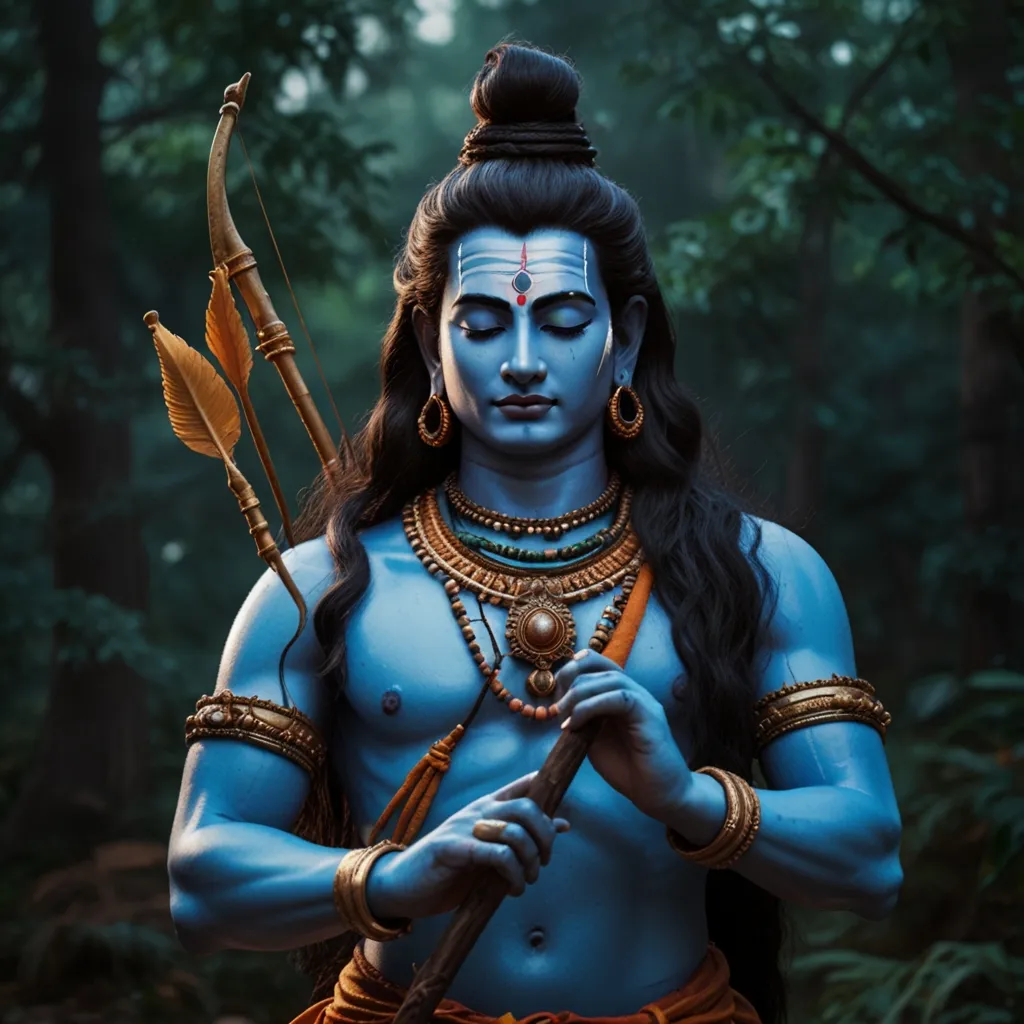
The influence of Neelkanth’s saga ripples throughout Indian culture, from spiritual rituals to vibrant artistic displays. Temples dedicated to Shiva frequently portray him with a striking blue throat, a visual marker of his noble act. This imagery is more than artistic—it’s a cultural anchor grounding the belief in his divine ability and his guardianship over the cosmos.
Beyond religious domains, the legend of Neelkanth has seeped into diverse literary and artistic ventures, capturing the intrigue of scholars and storytellers. This enduring tale has been woven into various forms, transitioning from age-old scriptures to contemporary adaptations, retaining its captivating essence in modern contexts.
The fascination with Neelkanth continues to inspire and influence. Its themes of self-sacrifice and the interplay of good versus evil provide rich material for exploration. Shiva’s blue throat isn’t just an icon; it’s a symbol of resilience, protection, and a reminder of the sacrifices that divine beings endure for the world’s greater good.
In summation, the legend of Neelkanth isn’t merely an epic tale—it’s a timeless reminder of the value of selflessness and the protective nature of the divine. It underscores the triumph of good over malicious forces, painting a vivid picture of bravery and cosmic balance. This story, through its perennial charm, continues to mesmerize audiences, solidifying its esteemed place within Hindu mythology.
This age-old narrative, teeming with life lessons and symbolic richness, remains a cornerstone of cultural and spiritual thought. It doesn’t just narrate history; it breathes life into the values that define humanity—sacrifice, protection, and the eternal battle between good and evil. The legend of Neelkanth is more than a myth; it’s a testament to the time-honored belief in divine guardianship and the sacrifices made to uphold cosmic order.