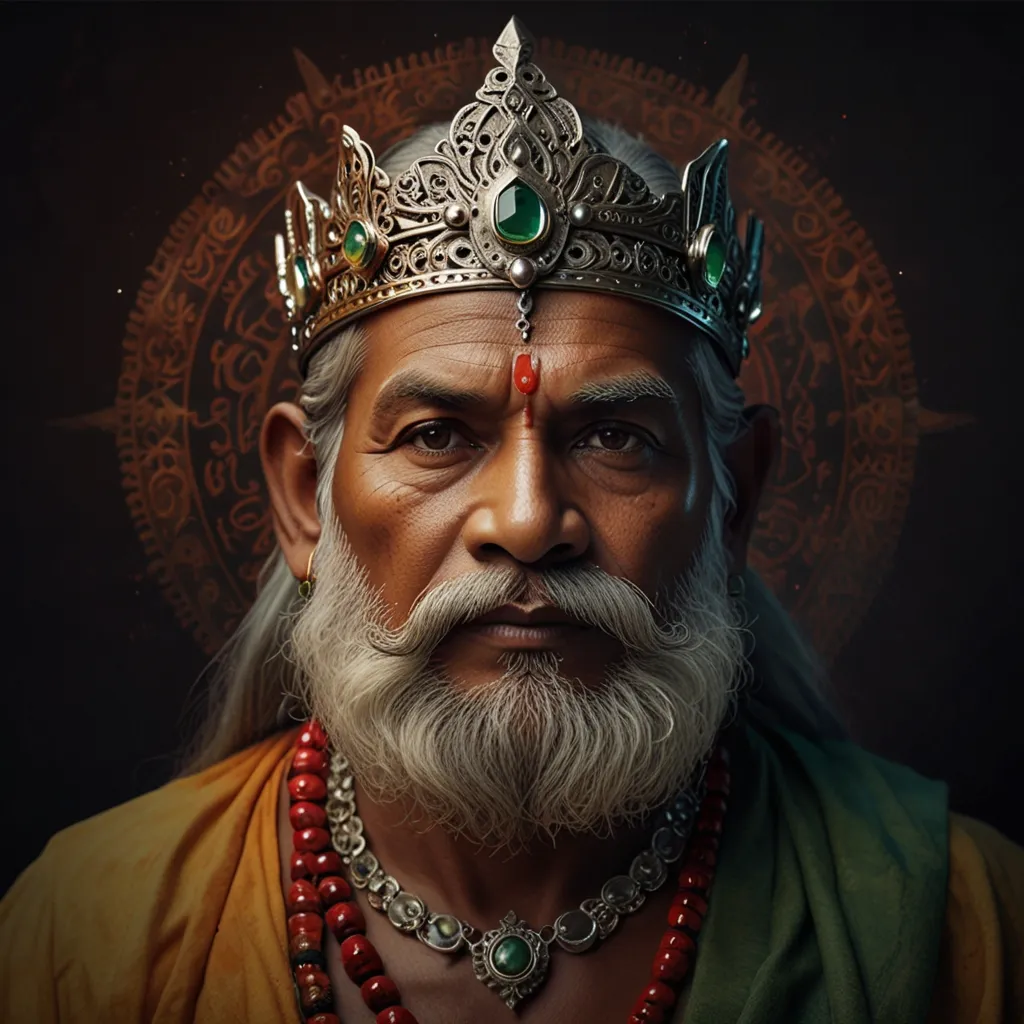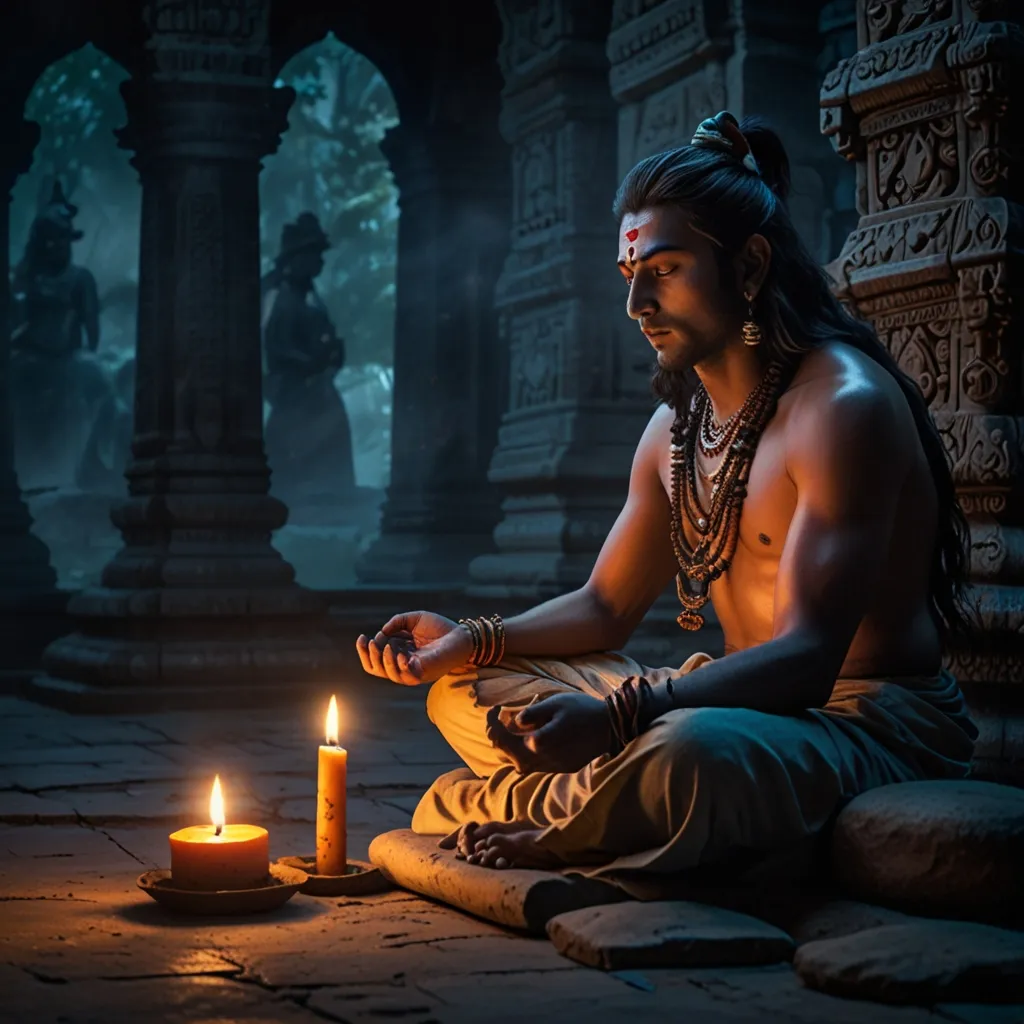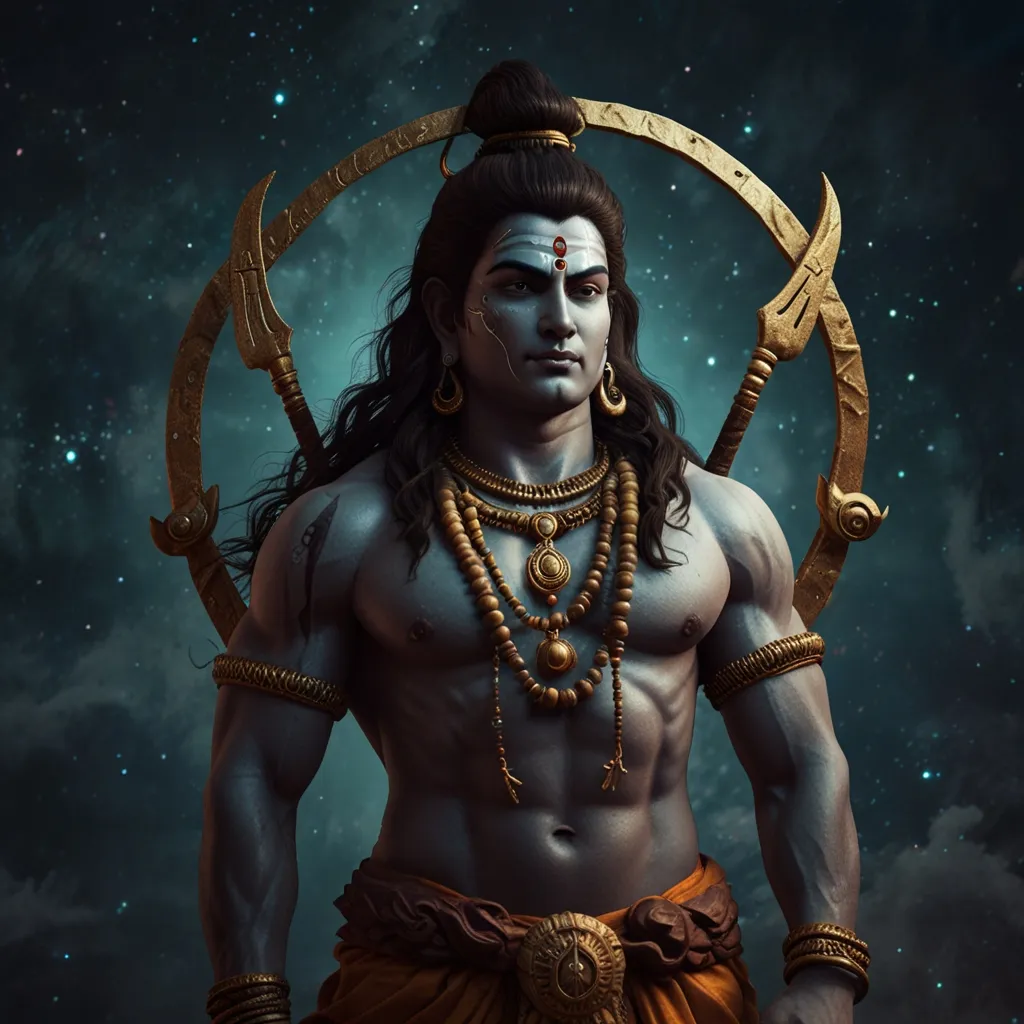
Shiva, a prominent deity in Hinduism, stands out as a complex and multifaceted god with numerous roles and tales that captivate the imagination. Known as Mahadeva, Hara, and many other names, Shiva is the Supreme Being in Shaivism, a significant Hindu tradition. He embodies the perfect blend of a yogi, cosmic dancer, and fierce warrior, symbolizing the universe’s creative and destructive forces.
Shiva’s essence is pure power and elegance. He holds titles like Viswanatha (lord of the universe) and Mahesha (great lord), each reflecting his diverse nature. His multifaceted persona includes Rudra (the fierce one), Shankara (the benevolent one), and Trilochana (the three-eyed one). Shaivism views Shiva as the ultimate reality and the core of all existence.
One riveting tale of Shiva is his union with Sati, daughter of the powerful god Daksha. Sati, also known as Dakshayani, was destined to pull Shiva from his austere life. Despite Daksha’s disdain, Sati married Shiva. But their joy was short-lived as Daksha, refusing to acknowledge Shiva, invited every deity but him to a grand ceremony. Feeling deeply slighted, Sati threw herself into the sacrificial fire.
Shiva’s heartache was boundless. From his locks emerged demons Virabhadra and Rudrakali, who disrupted Daksha’s event. After the gods intervened, Shiva revived Daksha but with a ram’s head. Eventually, Sati reincarnated as Parvati and once again, wed Shiva. This tale showcases the enduring power of love and the cyclical nature of existence.
Shiva’s family is just as captivating. Parvati, his wife, birthed Ganesha, the beloved elephant-headed god created to protect her during Shiva’s absence. This highlights the couple’s creative prowess. Additionally, Skanda (or Karttikeya), their other son, became the god of war, born to vanquish a mighty demon.
Nandi, the bull, is another intriguing part of Shiva’s lore. Nandi was given to soothe Shiva’s fury after striking cows that disturbed his meditation. Nandi became Shiva’s devoted companion, symbolizing compassion and protection for all creatures.
The Linga, a phallic symbol, is closely tied to Shiva, representing fertility and divine energy. The legend claims that after Sati’s death, Shiva’s manhood fell and was worshipped as the Linga. This symbol, present in many Shiva temples, is a testament to the cosmic energy sustaining the universe.
Shiva’s role transcends personal stories; he is the cosmic destroyer, a necessary force in the cycle of creation and rebirth. His dance, the Tandava, illustrates this universal rhythm. His third eye, capable of burning anything, signifies his power to eradicate ignorance and evil.
Shiva’s impact reaches beyond India. His worship spread to Central Asia via the Hephthalite and Kushan Empires. In Southeast Asia, Shiva’s influence is seen in temples and art across Indonesia, Myanmar, Cambodia, Laos, Vietnam, Thailand, and Malaysia, blending local theologies with Shaivism.
In Sikhism, Shiva represents spiritual power. The Guru Granth Sahib equates the Guru with Shiva, highlighting the divine nature of the spiritual leader.
Shiva’s myths and symbols are rich, offering deep insights into life’s complexities. His diverse nature makes him a compelling figure, embodying both fierce strength and gentle benevolence. Through his stories, Shiva teaches the pain and beauty of love, the inevitability of change, and the eternal dance of creation and destruction.