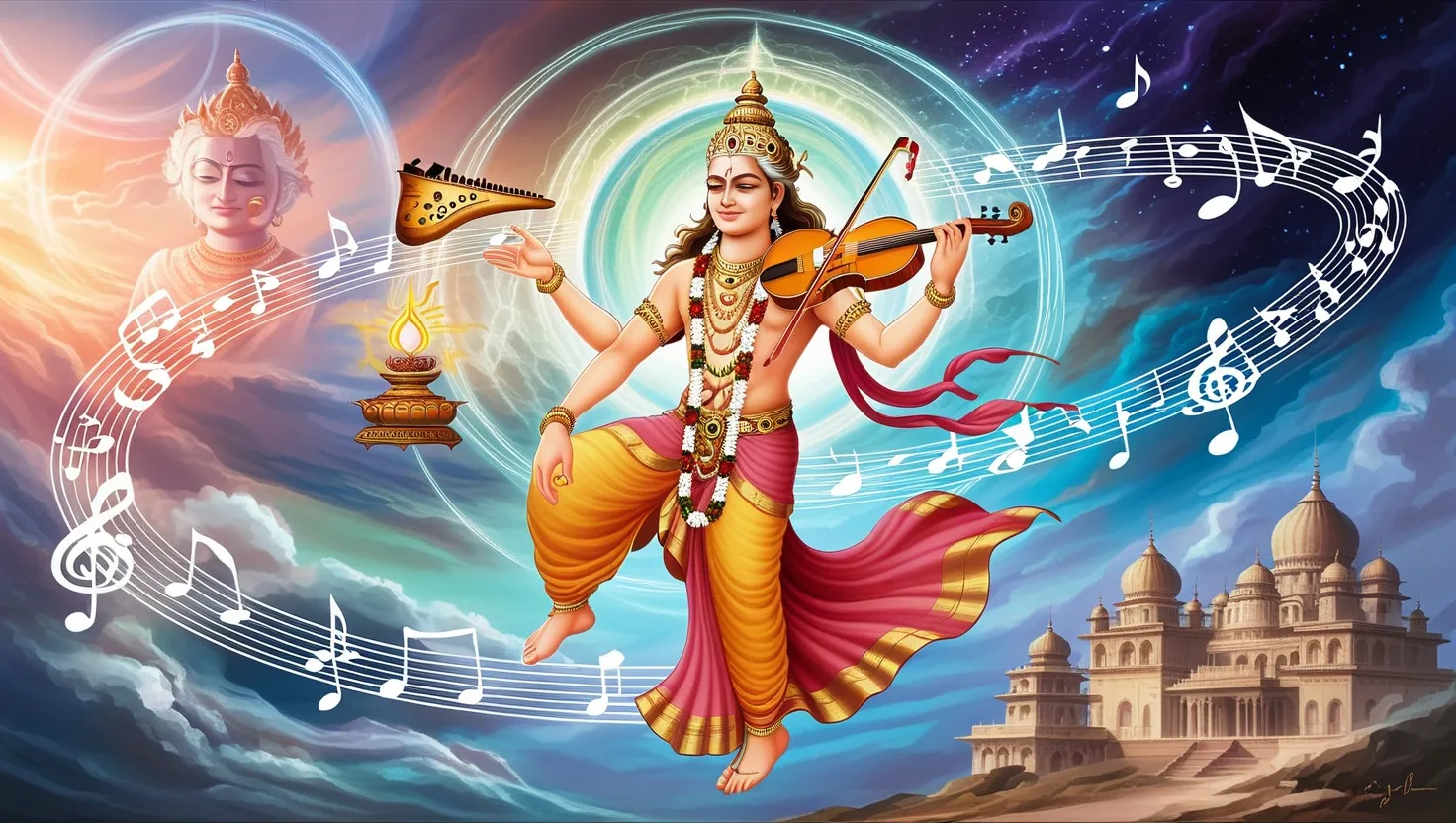
In the vast, colorful world of Hindu mythology, countless tales reveal an intricate world of gods and goddesses, each story more fascinating than the last. Among them, the tale of Shiva and the legend of the Sandhya Vandana stands out, weaving rich themes of devotion, ritual, and higher understanding.
Shiva is one of the big three in Hinduism – often depicted as serene but immensely powerful. Known primarily as the destroyer, he also plays crucial roles as a transformer and protector. Shiva’s essence is deeply tied to cosmic cycles of life, death, and rebirth.
The story begins with Upamanyu, a young Brahmin profoundly devoted to Shiva. His life revolved around deep meditation and prayer. He sought to unravel the universe’s mysteries and find solace in divine connection. One day, while immersed in meditation, an enlightened sage approached him and questioned his understanding of Shiva. Though well-versed in sacred texts, Upamanyu felt his actual grasp of Shiva’s nature was shallow – just words, devoid of deeper experience.
Sensing Upamanyu’s yearning, the sage invited him on a spiritual journey. They traveled to the banks of the sacred Ganges River, nested under a venerable tree where the sage began recounting stories of Shiva. Tales flowed about Shiva’s cosmic dances, fierce battles, and boundless love for his consort, Parvati.
As the sun set, casting its golden hue upon the river, the sage introduced Upamanyu to the Sandhya Vandana, a ritual to honor Shiva conducted at dawn, noon, and dusk. Performing this ritual with pure intent could bring one closer to Shiva’s divine grace, the sage explained.
Feeling profoundly inspired, Upamanyu gathered the needed items – a small idol of Shiva, a bell, and a bowl of water – and started the Sandhya Vandana. Something magical happened during his chanting and prayers: the air shimmered, and Shiva appeared. Shiva’s awe-inspiring and calming presence filled Upamanyu with peace and profound wisdom. In that moment, Shiva spoke, “Your devotion pleases me. What do you seek?”
Humbled and overwhelmed, Upamanyu sought knowledge and understanding. Shiva, with a knowing smile, imparted, “Knowledge is not merely about reading scriptures; it’s about experiencing the divine within. Continue performing the Sandhya Vandana with sincerity, and you will find the answers you seek.”
From that day forward, Upamanyu performed the ritual faithfully, feeling a deepening connection to Shiva. Each passing day brought new flashes of insight, revealing the world’s deeper layers and his place within it.
Upamanyu’s story serves as a powerful reminder of devotion’s transformative power and the sacred role of ritual in Hinduism. It tells us that true enlightenment isn’t confined to books but springs from experiencing the divine through sincere devotion.
Shiva is often imagined residing in the icy Himalayas, with Mount Kailash as his sacred abode. This connection to nature positions Shiva as a guardian of the natural world. His cosmic dance, the Tandava, symbolizes universal cycles of creation and destruction, maintaining cosmic balance.
The Sandhya Vandana, focusing on dawn, noon, and dusk rituals, underscores the importance of transition times in daily life - these moments brimming with special spiritual significance perfect for meditation and prayer.
Besides its spiritual depth, the Sandhya Vandana brings practical benefits. Performing this ritual fosters discipline and routine, leading to a balanced, fulfilling life. It encourages mindfulness and introspection, helping individuals find inner peace amid life’s chaos.
Upamanyu’s journey through the Sandhya Vandana beautifully demonstrates devotion’s transformative potential. It shows how even ordinary people can achieve extraordinary spiritual heights through sincere prayer and dedication. The story is a reminder that true knowledge springs from internal divine experiences rather than scripture alone.
In a nutshell, the legend of Shiva and the Sandhya Vandana is a rich blend of spirituality and transformation. It highlights Hinduism’s ritualistic heart and the essence of heartfelt actions in achieving enlightenment. This timeless tale continues to inspire devotees on their spiritual quests towards truth and self-discovery, making it both a personal and universal beacon of wisdom.