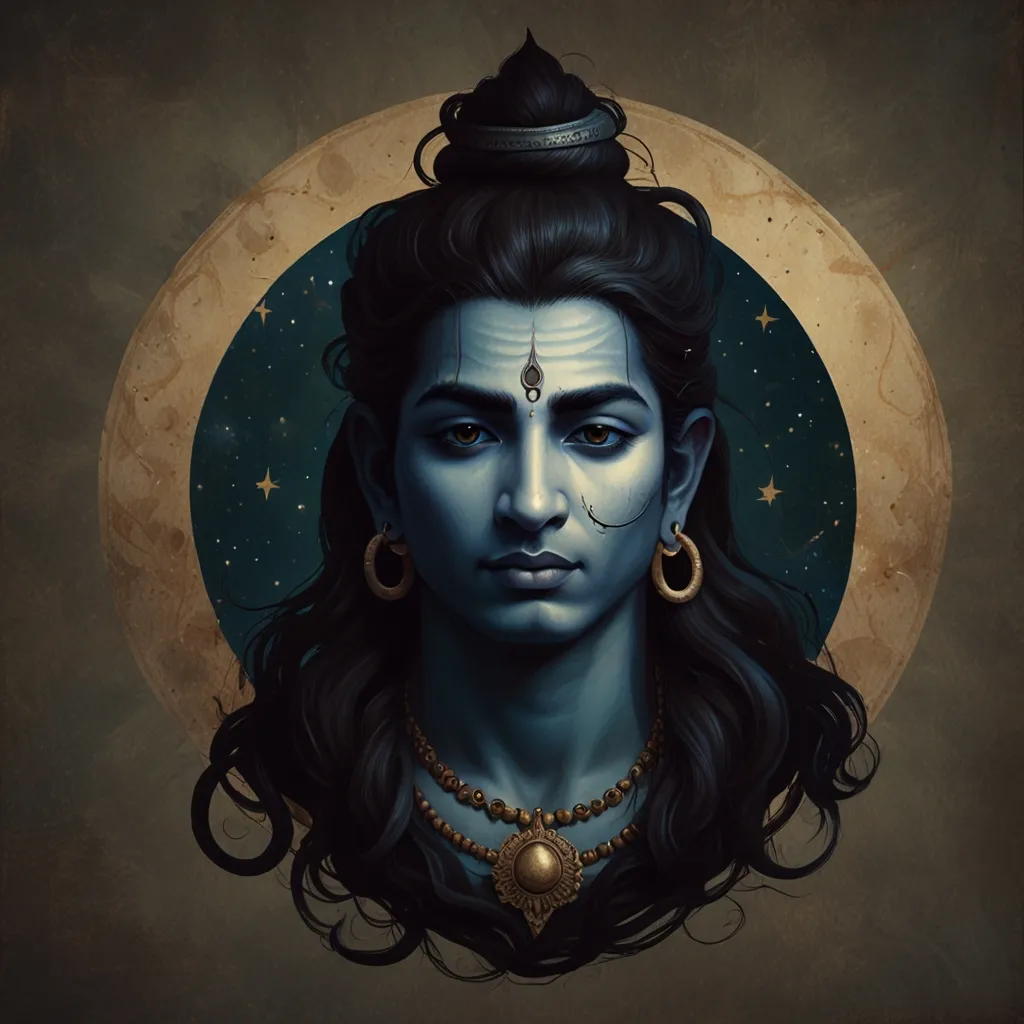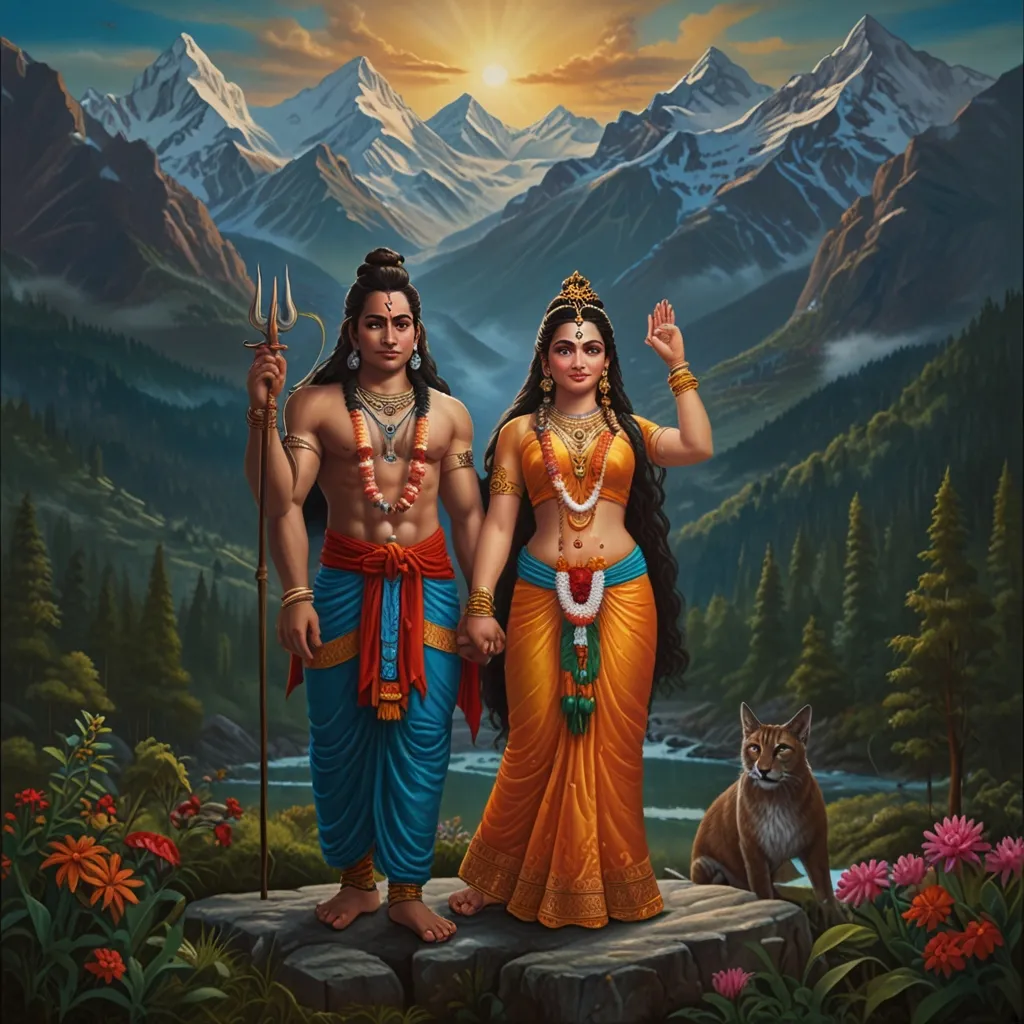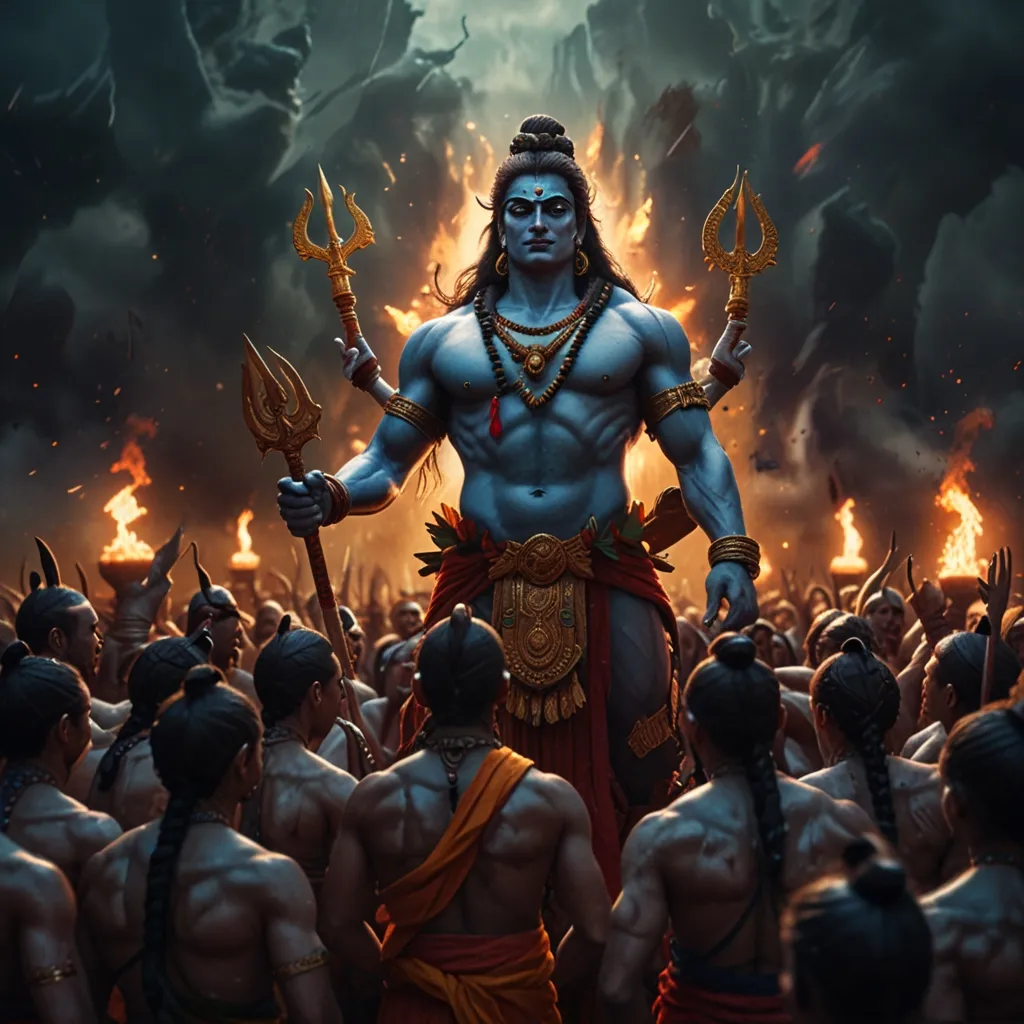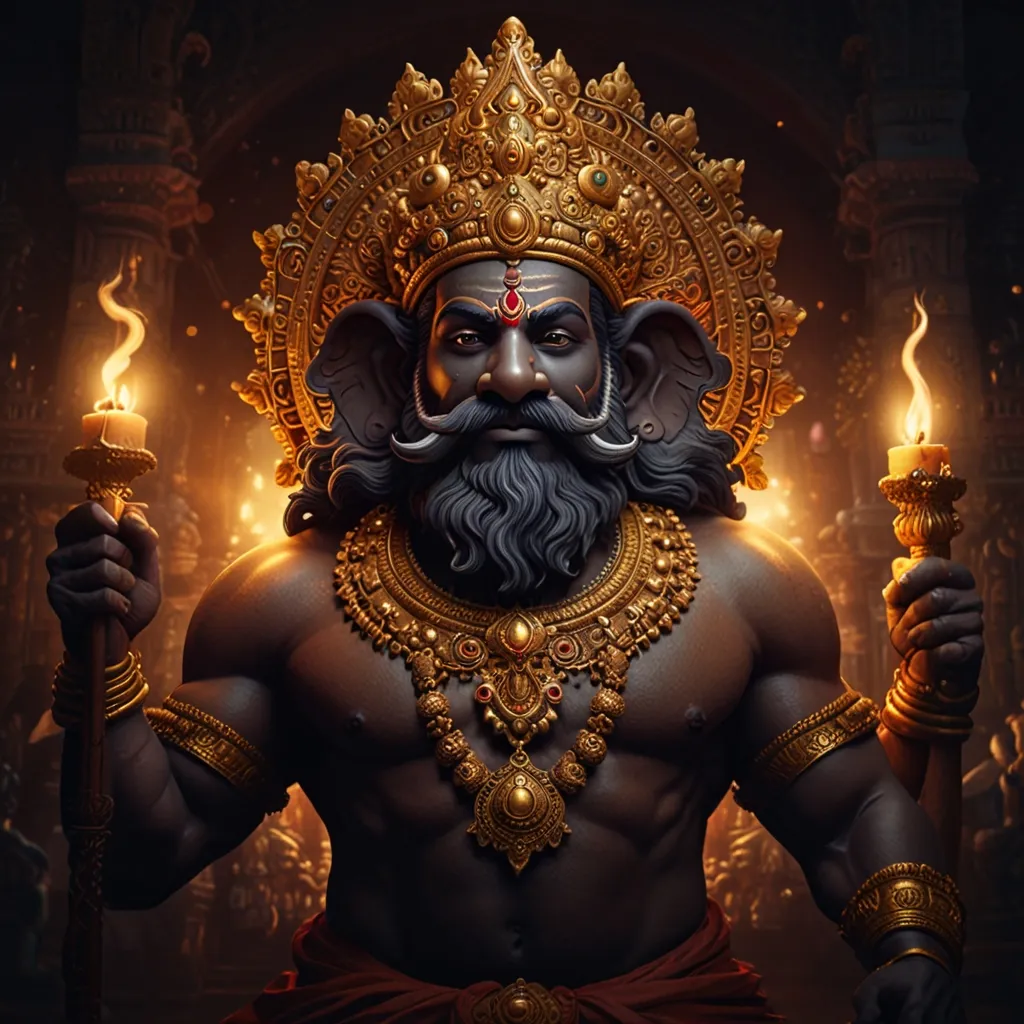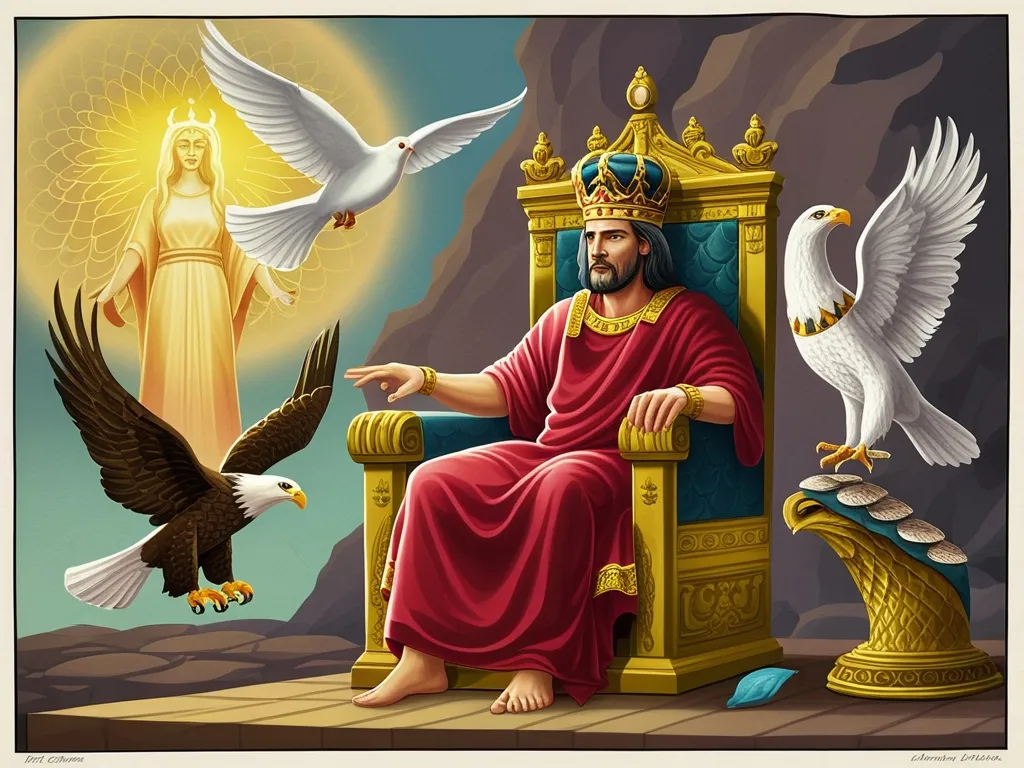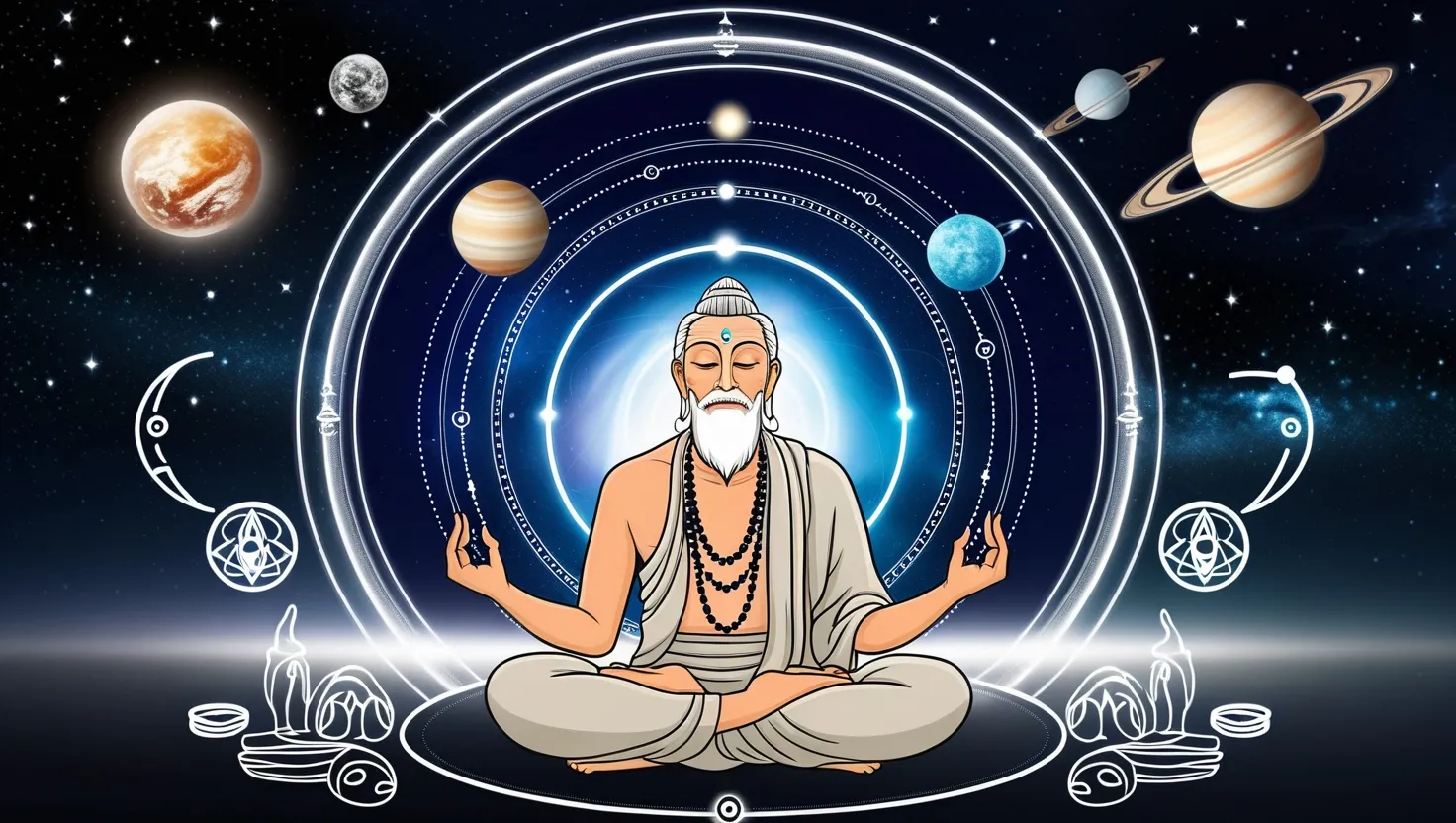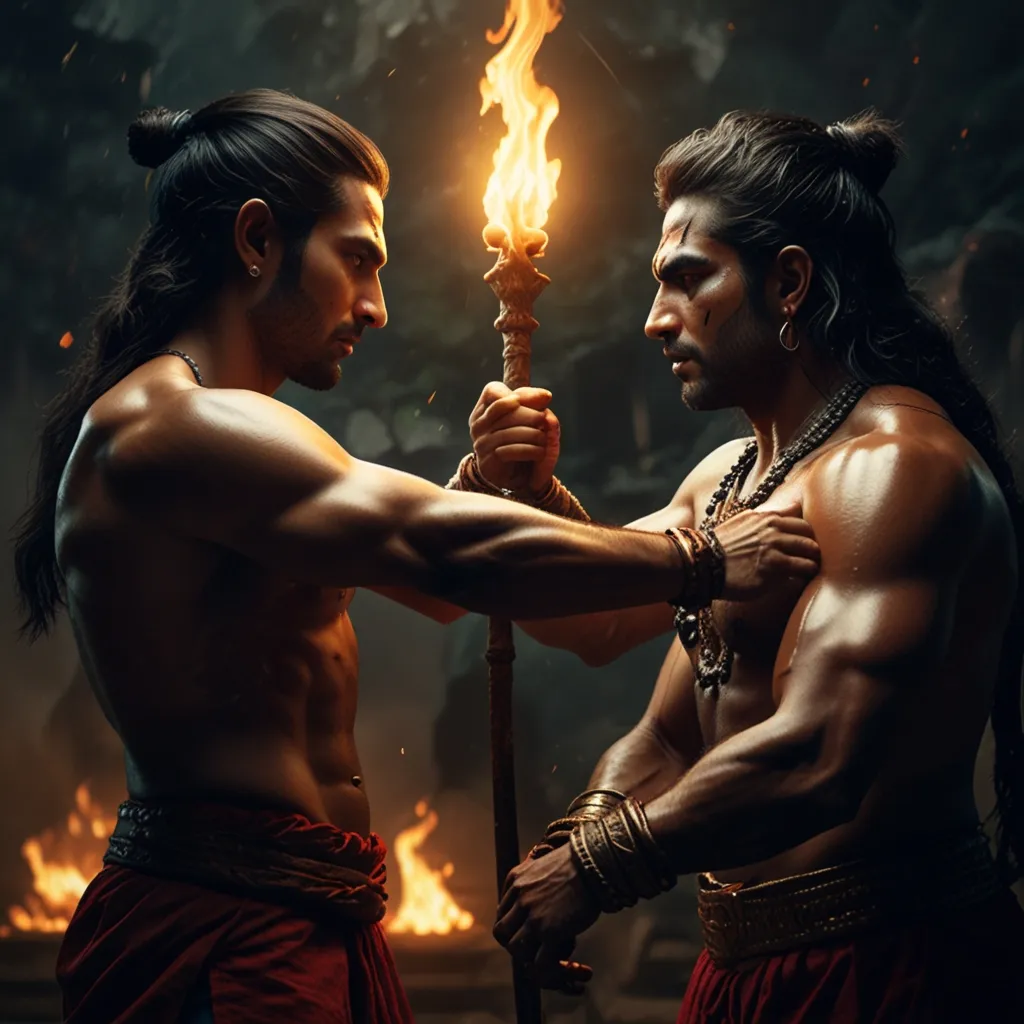
Hindu mythology is filled with stories about gods and demons, packed with lessons about life, power, and morality. One fascinating story that stands out is the tale of Shiva and the demon Jalandhara. This story is loaded with drama, intense battles, and ultimate victories, making it a gripping narrative that showcases the classic struggle between good and evil.
Jalandhara, whose name translates to “he who holds water,” has an intriguing origin. He came into being from the energy emitted by Shiva’s third eye. This wasn’t just any energy—it was born out of Shiva’s rage when Indra, the king of the gods, tried to mess with him using his thunderbolt. As the energy hit the ocean, it transformed into a boy. Raised by Varuna, the god of the sea, and later by Shukracharya, the Asuras’ guru, this boy was destined for greatness.
As he grew up, Jalandhara turned into a powerful and fearsome warrior. He didn’t stop at conquering just one realm; he took over Svarga (heaven), Bhuloka (earth), and Patala (the underworld). His might was unparalleled, and he can now call himself the king of the Asuras. He married Vrinda, the daughter of Kalanemi, and the two of them ruled their kingdom with an iron grip.
The gods were in despair. Indra, their leader, couldn’t handle being defeated by Jalandhara. They needed help and fast. So, they turned to Narada, the divine sage known for steering things up. Narada, with a plan up his sleeve, paid a visit to Jalandhara. He started boasting about Kailasha’s beauty, Shiva’s home, leaving Jalandhara feeling a bit insecure. When Narada threw in praises of Parvati, Shiva’s consort, it was the last straw for Jalandhara.
Jalandhara’s ego was bruised, and he decided to confront Shiva. He gathered his troops and marched to Kailasha. However, Shiva was no longer there; he had moved to a mountain near Lake Manasa. Despite the tough warriors on both sides, Jalandhara’s forces faced a fierce opponent in Nandi, Shiva’s loyal bull. Massive chaos ensued, and the gods started taking heavy losses.
Seeing this, Parvati couldn’t just stand by. She urged Shiva to join the battle. But Shiva was no fool; he warned Parvati to be vigilant, knowing the tricky Asuras could try something sneaky while he was away.
And so, the epic battle began. It was an even match for a long time, with neither side giving an inch. Shiva then decided to unleash his deadliest weapon, the Trishula. Charging towards Jalandhara, the showdown was intense.
Finally, with a mighty strike of his Trishula, Shiva put an end to Jalandhara. The powerful Asura fell, and the gods celebrated their hard-earned victory. Shiva returned to Kailasha, hailed as a hero.
The story of Shiva and Jalandhara isn’t just a myth. It’s packed with deeper meanings and lessons. It epitomizes the constant tussle between good and evil, with Shiva emerging as a symbol of divine power and righteousness. Jalandhara, even with all his strength and conquests, couldn’t defeat Shiva. The story leaves us thinking about where true strength really lies.
One of the biggest takeaways is about pride and humility. Jalandhara’s downfall was mainly because of his arrogance and failure to acknowledge Shiva’s superior power. He might’ve been formidable, but his pride led him to ruin. This part of the story serves as a reminder for all of us about the dangers of letting our egos get too big and the importance of staying humble.
Also, it’s hard not to feel for the gods who were in despair over their defeat and had to seek help from Narada. Their journey from defeat to eventual victory touches on our own struggles and need for perseverance.
In the end, the tale of Shiva and Jalandhara is more than just an ancient story. It resonates with the age-old themes of power struggles, deception, and the eventual triumph of good over evil. It reminds us that power isn’t just about physical strength; it’s also about virtue, righteousness, and, importantly, humility. Shiva’s victory over Jalandhara is not only a win for the gods but a win for these values that stand the test of time.