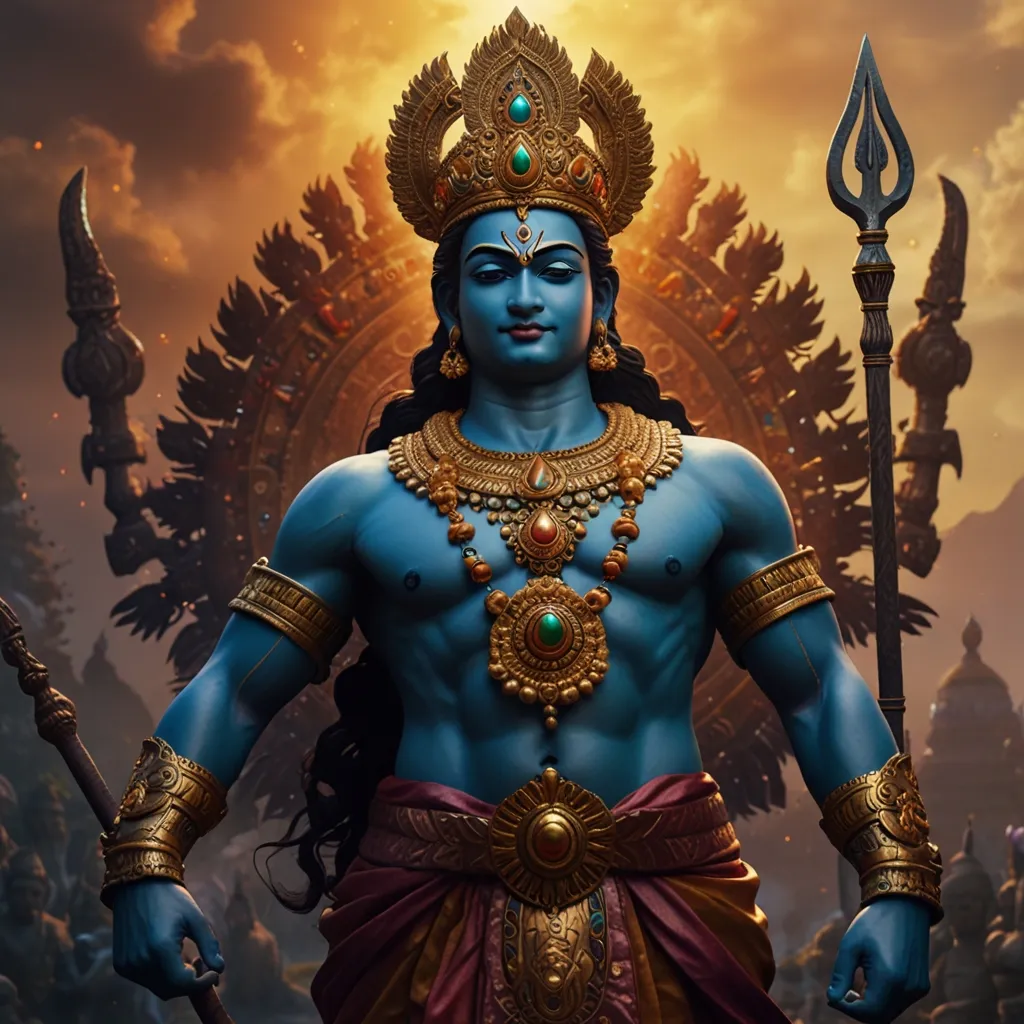
In the grand tapestry of Hindu mythology, Lord Shiva stands out as one of the most revered and multifaceted deities. He’s known for his profound influence on the universe and his presence in countless stories and rituals. One particularly significant ritual associated with Shiva is the Pradosha Vrata. This twice-a-month observance is packed with spiritual and cultural significance.
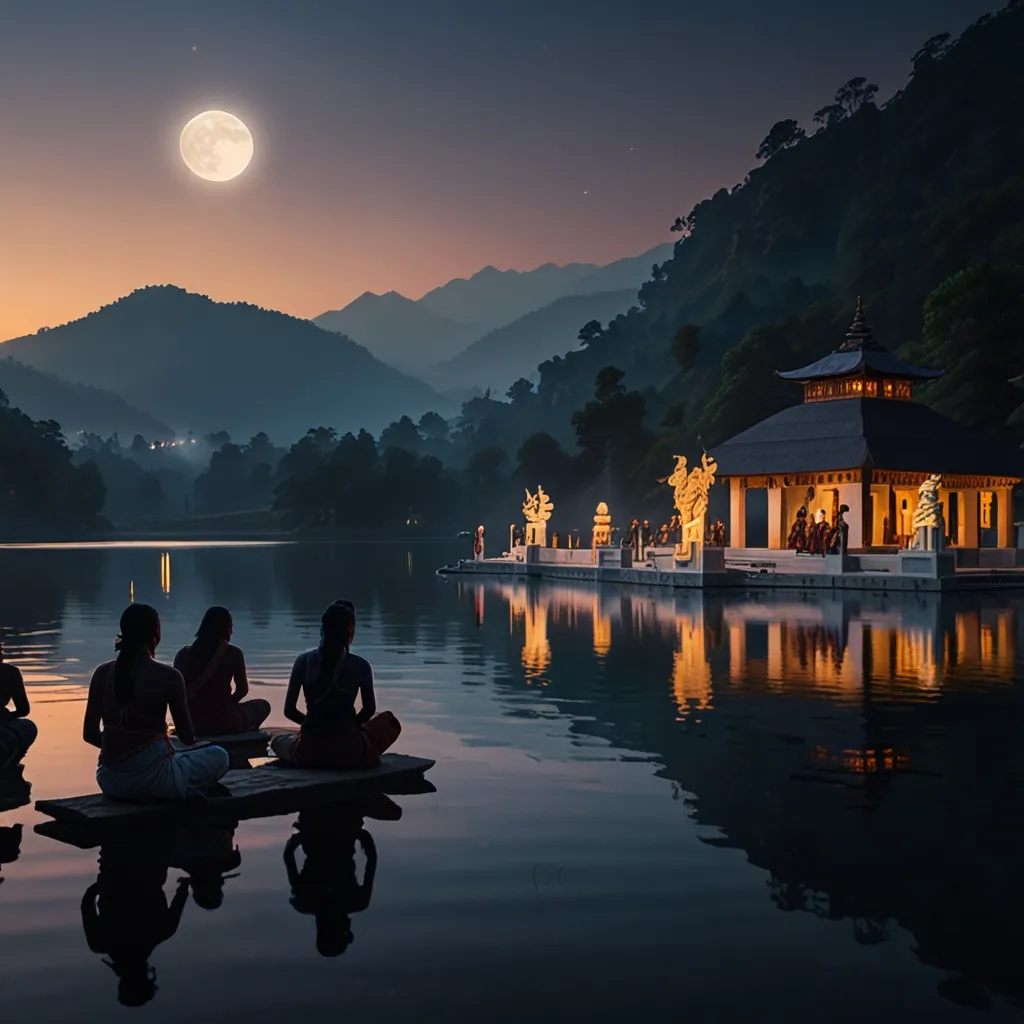
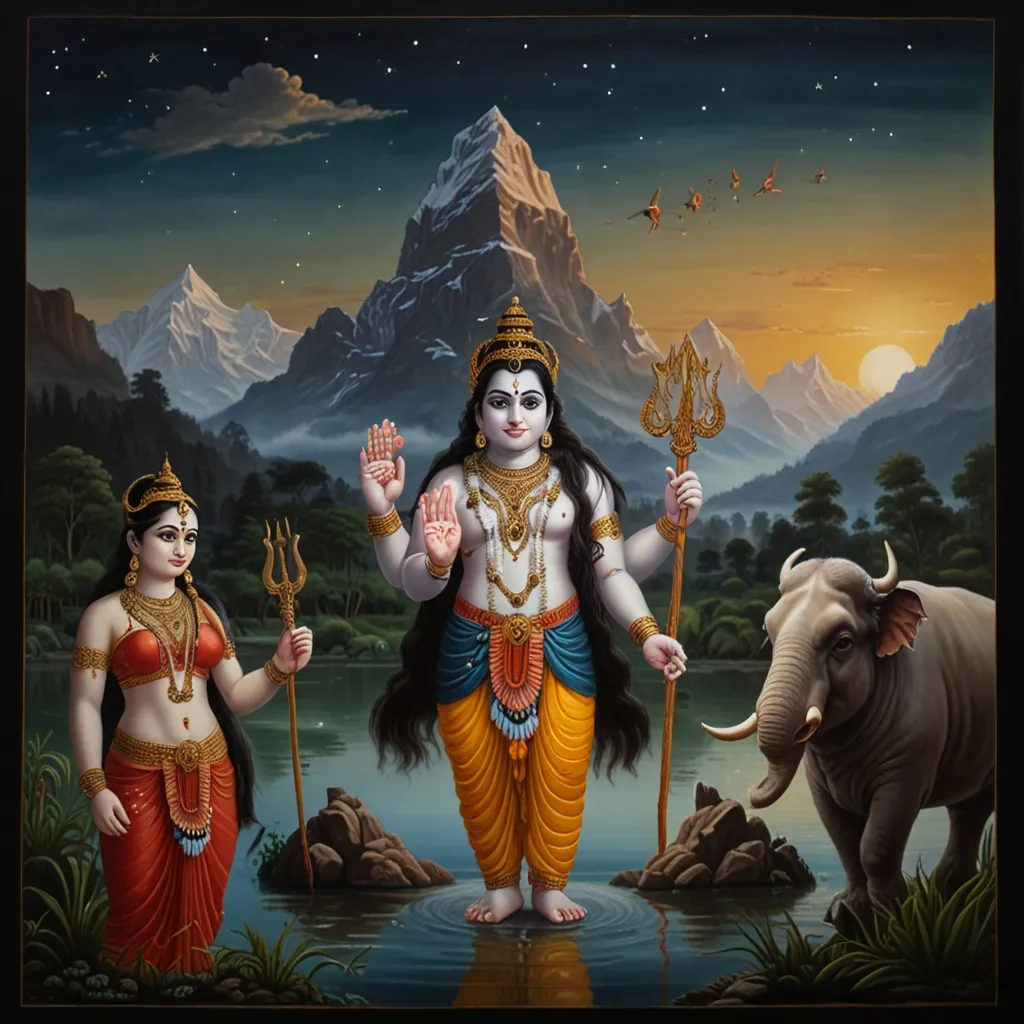
Pradosha translates to “evening twilight” and is celebrated on the thirteenth day of each fortnight in the Hindu calendar. This twilight period is symbolic of the balance Shiva embodies. During Pradosha, devotees worship Shiva, often alongside his consort Parvati and their sons Ganesha and Kartikeya. The rituals happen during the evening twilight, when day meets night, capturing the essence of harmony that Shiva represents.
There’s a whole process involved in observing Pradosha Vrata. It begins with devotees taking a bath an hour before sunset, essentially a purification ritual to prepare them for the worship ahead. Then they offer prayers to Shiva, Parvati, Ganesha, Kartikeya, and Nandi, Shiva’s loyal bull mount. This is followed by a fast and a vigil, showing their dedication and commitment to the divine.
One of the more intriguing parts of Pradosha is its connection to different days of the week. Shani Pradosha, which falls on a Saturday, is a good example. Saturdays are linked to the planet Saturn, known for its stern, karmic influence. Shani Pradosha, particularly revered at the Mahakaleshwar temple in Ujjain, is seen as especially auspicious for those looking to appease Saturn.
The legend behind Shani Pradosha is fascinating. It revolves around King Chandrasena of Ujjain, a devout follower of Shiva who possessed a celestial gem capable of miracles. Envious neighboring kings Ripudaman and Singhaditya plotted to attack Ujjain to steal the gem. Unaware of this, Chandrasena carried on his worship of Shiva.
During this chaotic period, a farmer’s boy named Shrikhar happened upon the king’s prayers. Removed by the guards, Shrikhar continued his devotion near the Kshipra River. His prayers reached a priest named Vridhi, who then joined the worship. On a Saturday, the thirteenth day of the fortnight, the rival kings, aided by the demon Dushan, launched their attack on Ujjain.
Moved by the devotion of his followers, Shiva appeared in his Mahakala form, a manifestation of pure light. He destroyed the enemies, and at Shrikhar and Vridhi’s request, agreed to reside in Ujjain as Mahakal, the kingdom’s chief deity. This event is celebrated during Shani Pradosha to this day, demonstrating the power of devotion and faith.
There’s also Soma Pradosha, which happens on a Monday and is associated with the moon. This day is seen as beneficial for those seeking spiritual growth and emotional well-being. The rituals for Soma Pradosha are similar to those of Shani Pradosha, focusing on purification, devotion, and spiritual elevation.
Maha Pradosha, another special variant, falls before or on Maha Shivaratri in the Hindu month of Maagha. Maha Shivaratri, or the “Great Night of Shiva,” celebrates Shiva’s cosmic dance and his union with Shakti. Maha Pradosha acts as a precursor to this grand festival, paving the way for profound spiritual experiences.
Pradosha Vrata is more than just a ritual; it’s a journey deep into the heart of Hindu mythology and spirituality. It highlights the importance of devotion, the power of faith, and the interconnectedness of all beings. Through observing Pradosha, devotees aim to align themselves with the divine, embracing the principles of balance, harmony, and transcendence that Shiva personifies.
The story of Pradosha Vrata is essentially about divine intervention, human devotion, and the eternal quest for spiritual enlightenment. It serves as a reminder that even in the toughest times, faith and devotion can lead to miracles, showing that the divine is always by our side, guiding us towards our highest potential.