In the intricate tapestry of Hindu rituals, there exists a subtle yet profound element that often goes unnoticed amidst the grandeur of temple ceremonies and vibrant festivals: bhasma, or holy ash. This sacred substance, derived from the ashes of sacrificial fires, embodies a rich symbolism that delves deep into the heart of Hindu spirituality.
To understand the significance of bhasma, one must first grasp its origins. Bhasma is not just any ash; it is the residue of sacred fires where special woods, ghee, and herbs are offered as part of worship. This process, known as homa, signifies the surrender of ego and worldly desires into the flames of knowledge and selfless causes. The ash that remains is a symbol of the purity of mind that results from such actions, reminding us that the fire of knowledge burns away ignorance and inertia.
When applied to the body, bhasma serves multiple purposes. For many, it is a constant reminder of the mortal nature of life. By wearing this ash, one is reminded of the transitory nature of the physical body, encouraging a detachment from material attachments and a focus on the spiritual journey. This is encapsulated in the word “bhasma” itself, where “bha” means elimination and “sma” means remembrance, signifying the destruction of sins and the remembrance of the divine.
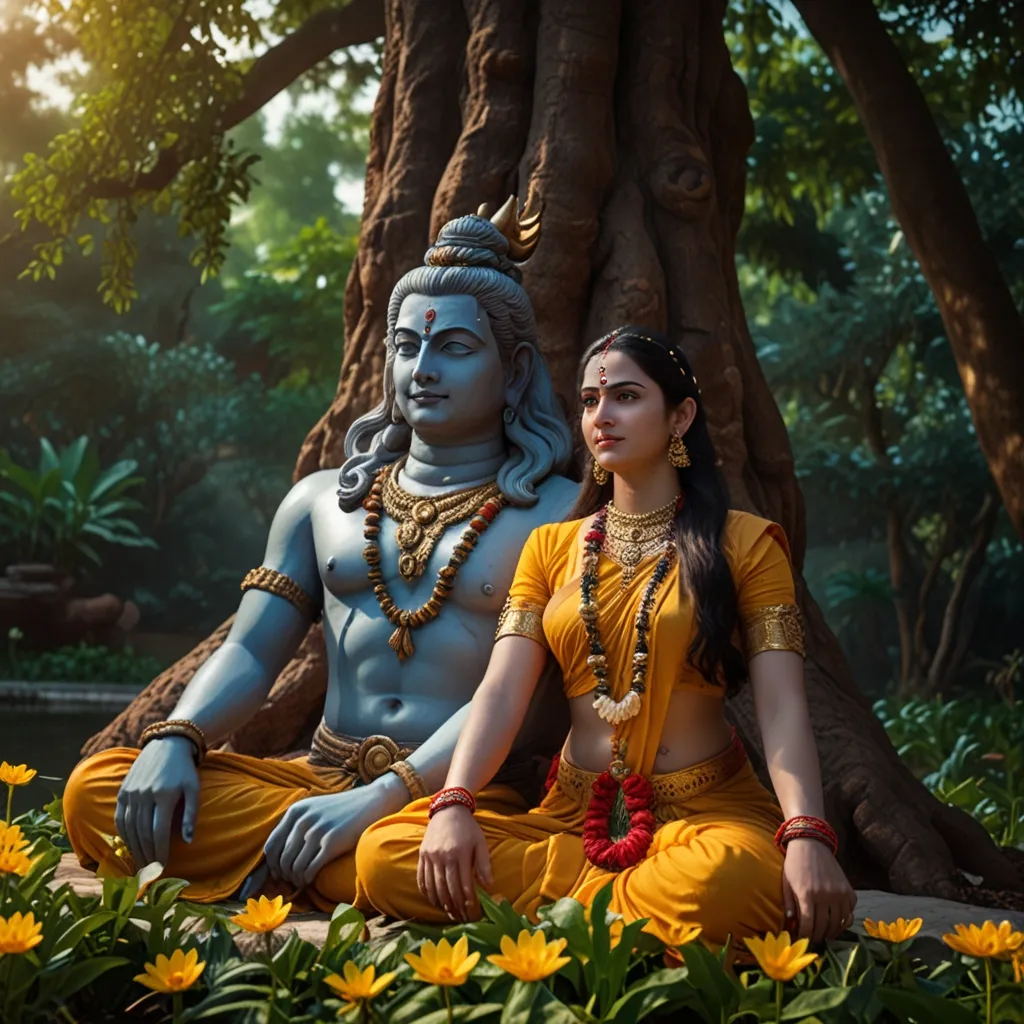
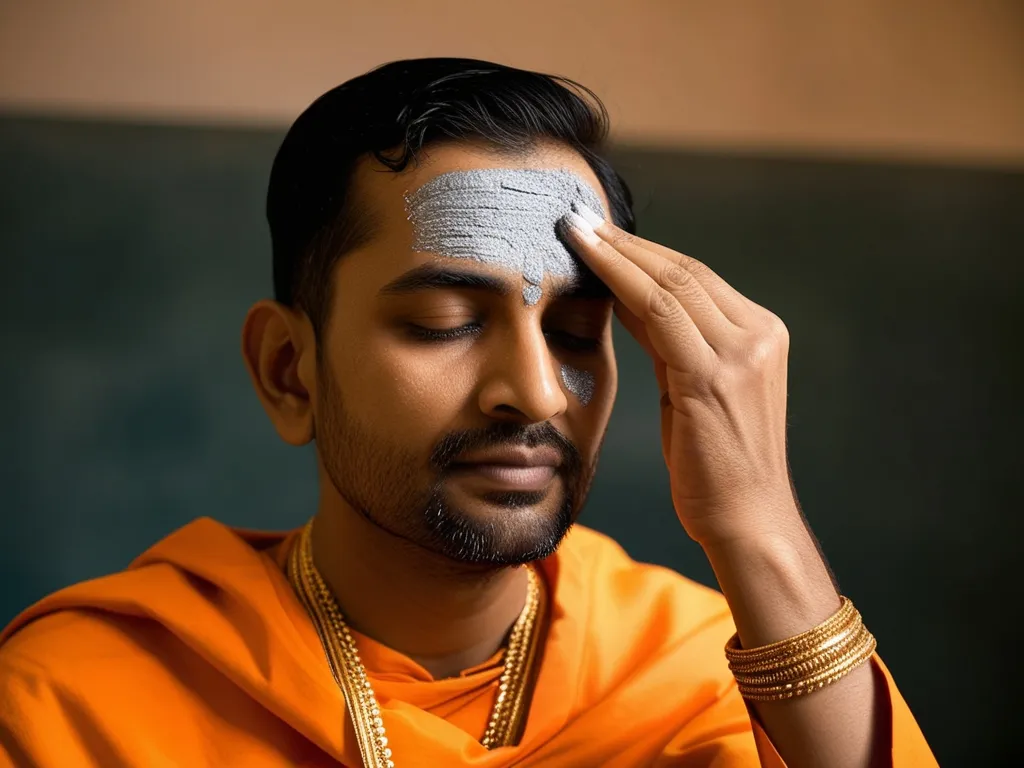
The application of bhasma is a ritual steeped in tradition and symbolism. Devotees of Lord Shiva, in particular, apply bhasma in the form of three horizontal lines across the forehead, known as tripundra. These lines represent the three eyes of Shiva, as well as the principles of spiritual knowledge (dnyan), devotion (bhakti), and detachment (vairagya). The tripundra is often accompanied by a red spot at the center, symbolizing the unity of Shiva and Shakti, the energies that create and sustain the universe.
Beyond its symbolic significance, bhasma is believed to have practical benefits. It is said to purify the soul and elevate the devotee, making any spiritual or ritualistic work done without it fruitless. The ash is also considered to have medicinal properties, absorbing excess moisture from the body and preventing ailments like colds and headaches. In some traditions, consuming a pinch of bhasma is believed to offer protection from ill health and evil, purifying the wearer.
The method of applying bhasma is as significant as the ash itself. Traditionally, one picks up the ash between the thumb and ring finger, a gesture that is both precise and meaningful. The ash is then applied to specific points on the body: the anahata chakra (center of the chest), the vishuddhi chakra (pit of the throat), and the agna chakra (between the eyebrows). Each of these points corresponds to different aspects of life—love, power, and knowledge—ensuring that the wearer receives life in its various dimensions.
In my own experience, applying bhasma has been a transformative ritual. It begins with a quiet moment of reflection, where I prepare myself to receive the divine. The act of touching the ash to my forehead, throat, and chest is a palpable reminder of the interconnectedness of my physical and spiritual selves. It is a moment of stillness, a pause from the hustle and bustle of daily life, where I reconnect with the deeper aspects of my being.
Bhasma also plays a crucial role in fire rituals, where it symbolizes the ephemeral nature of life and the eternal soul. The fire, a powerful symbol of transformation, consumes the physical form, leaving behind only ash. This ash, when applied to the body, serves as a poignant reminder that our true essence is beyond the physical realm. It urges us to look beyond the transient and focus on the eternal, the divine essence that resides within us all.
In Hindu spirituality, bhasma is more than just a ritualistic token; it is a conduit to connect with the divine. It bridges the gap between the earthly and the divine, enhancing one’s connection to self, the cosmos, and the ultimate truth. When I apply bhasma, I am reminded of the words of the Mrityunjaya mantra, which speaks of Lord Shiva freeing us from the shackles of sorrow, change, and death. It is a powerful invocation, one that resonates deeply within me, urging me to transcend the limitations of birth and death.
The significance of bhasma extends beyond personal rituals; it is deeply embedded in Hindu scriptures and traditions. In the Shiva Purana, for instance, the particles of ash that cling to the skin are considered individual lingams, symbolizing the divine presence within each of us. The act of wearing bhasma is thus not just a personal practice but a communal one, connecting us to a broader tradition of spiritual seekers who have used this sacred ash as a tool for growth and self-realization.
In conclusion, bhasma is a simple yet profound element of Hindu rituals, embodying purification, transformation, and spiritual elevation. It is a reminder of the transitory nature of life and the eternal essence of the soul. As I smear the ash on my forehead, I am not just following a tradition; I am connecting with a lineage of spiritual seekers who have used this sacred substance to transcend the mundane and touch the divine. In this quiet, personal ritual, I find a deeper connection to myself, to the cosmos, and to the ultimate truth that underlies all existence.