In the colorful tapestry of Hindu mythology, countless stories breathe life into our beliefs and traditions. Among these vibrant tales is the legend of Shumbha and Nishumbha, two mighty demons who dared to challenge the divine forces. This story vividly showcases the timeless battle between good and evil, ending with virtue’s undeniable victory.
Shumbha and Nishumbha weren’t your average run-of-the-mill demons. These brothers gained immense strength through intense penance and purification rituals, aiming to conquer earth, heaven, and the underworld. Their prayers were so powerful that they caught the attention of Brahma, the creator. Pleased with their devotion, Brahma granted them a formidable boon: no man or demon could kill them.
With their new-found invincibility, the brothers embarked on a mission to achieve their ambition. They remained immersed in prayer at the sacred site of Pushkara for a staggering ten thousand years. Their power skyrocketed, striking fear across the realms. Their cruelty and destructive rampage were limitless, leaving havoc in their wake.
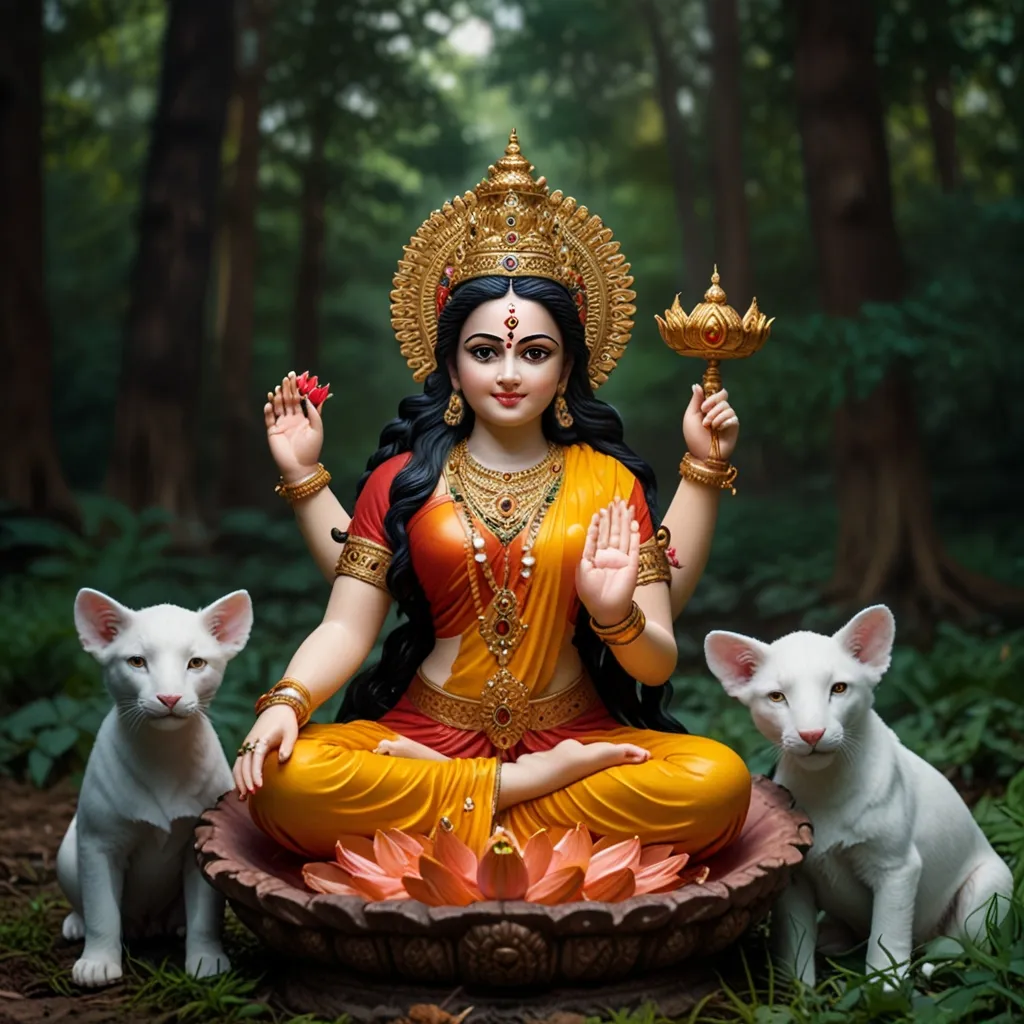
But their terror-filled reign wasn’t without resistance. Enter Goddess Durga, the divine feminine powerhouse. Durga is not just any goddess but the collective strength of all gods, with mesmerizing beauty and unparalleled power. When her presence was reported by Chanda and Munda, the lesser demons serving Shumbha, they were bowled over by her grace. Shumbha, driven by lust for power rather than love, set his sights on possessing Durga.
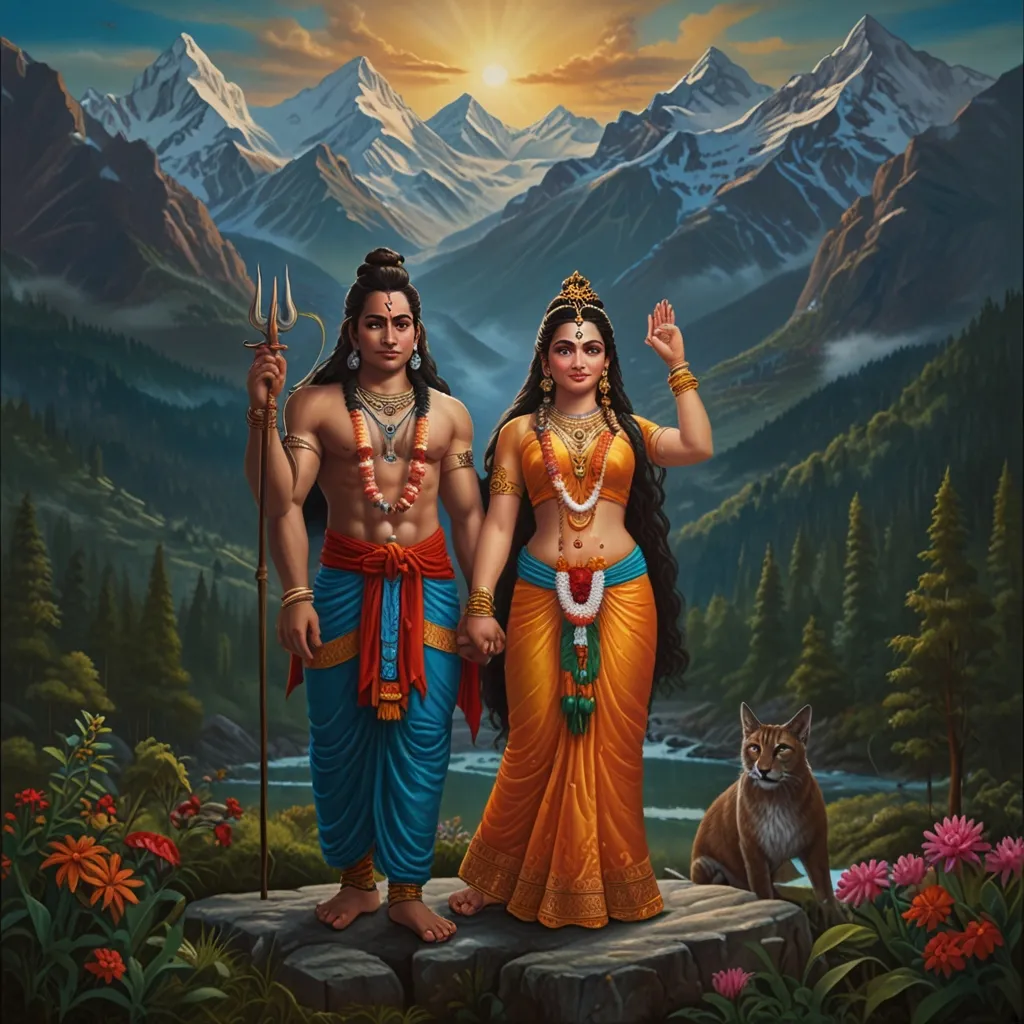
Sugriva, another demon, was sent to court Parvati (Durga), but she firmly rejected him. Shumbha, undeterred, decided to abduct her if she wouldn’t come willingly. He dispatched Dhumralochana with an army of sixty thousand demons, but Durga’s various forms annihilated them. Next up were Chanda and Munda, but they too met their end at her hands.
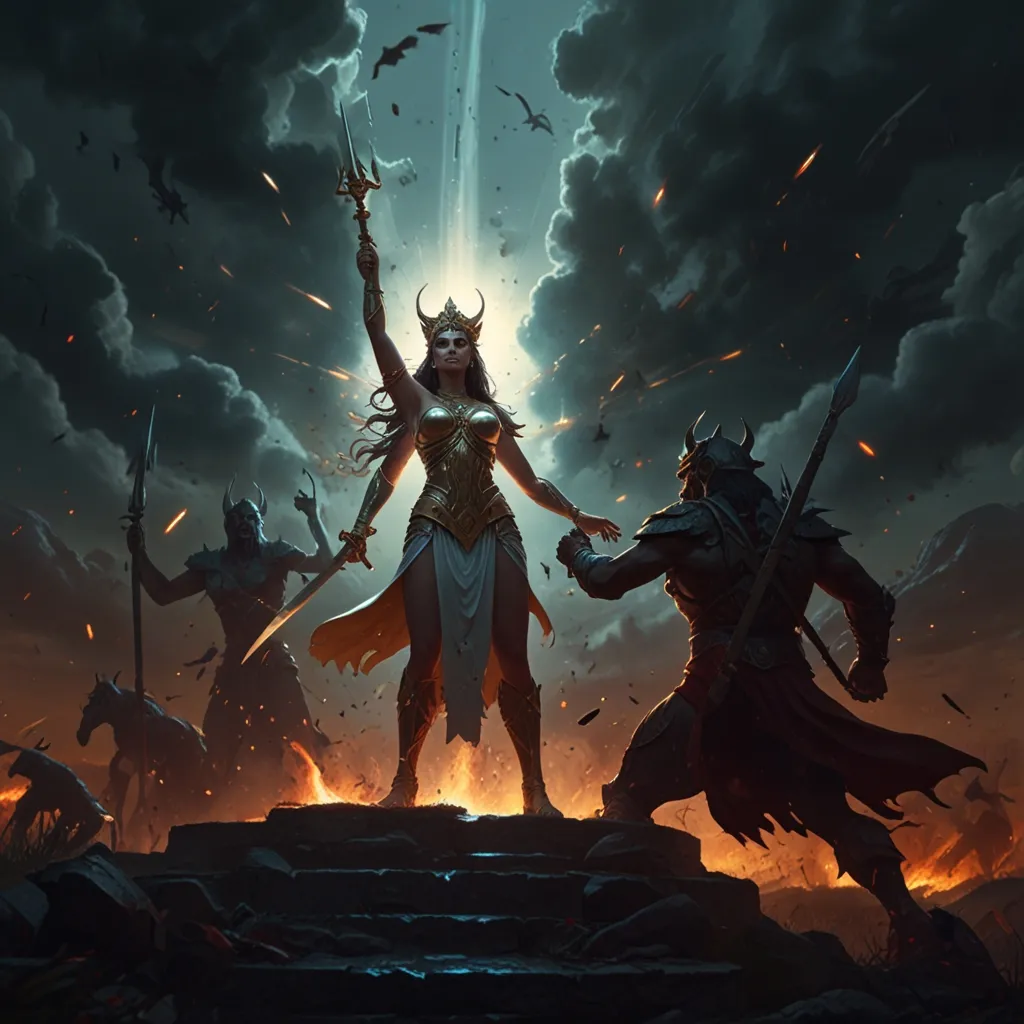
The ultimate showdown became inevitable. Shumbha and Nishumbha faced Parvati in combat. Despite Brahma’s boon shielding them from men and demons, there was no protection against a goddess. Nishumbha fell first after assaulting Parvati’s lion. Enraged by his brother’s death, Shumbha went after Parvati but was ultimately split in two by her trident.
With their demise, peace was restored. The three worlds returned to normalcy, relieved of a great evil. This tale often symbolizes the battle between arrogance and humility, with Shumbha and Nishumbha representing the peril of unchecked power and self-doubt. Their downfall is a stark reminder that true strength lies in wisdom and humility.
Navratri, a vibrant festival celebrating the nine forms of Durga, commemorates this legend. Each form portrays different aspects of the divine feminine, and the story of Shumbha and Nishumbha is retold to celebrate the eternal triumph of good over evil. It’s a time for reflection, connecting with the divine within, and embracing virtue’s victory.
In conclusion, Shumbha and Nishumbha’s legend is a powerful narrative emphasizing humility and cautioning against unchecked ambition. It highlights the enduring strength of good and the unending fight between light and darkness. This story continues to inspire, guiding us towards living a virtuous life, with righteousness always emerging victorious.