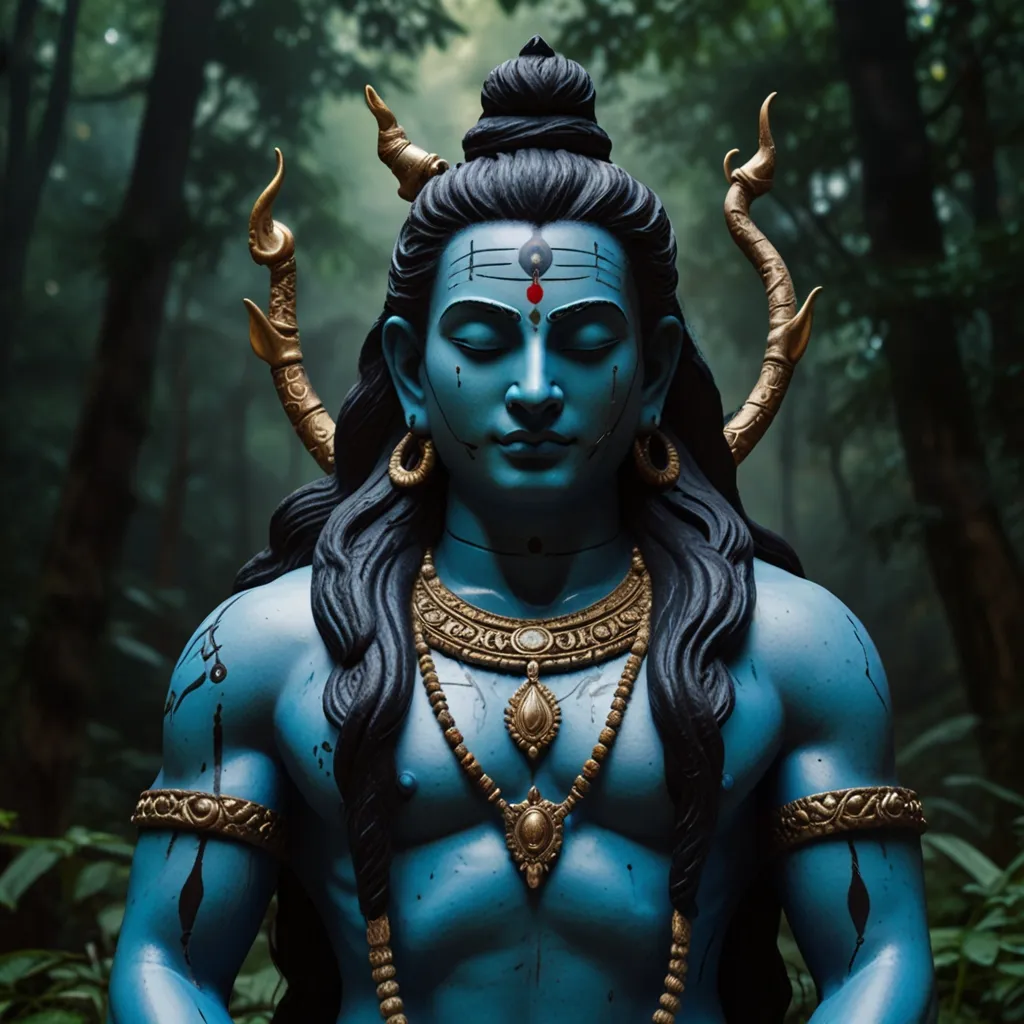
Hindu mythology is a treasure trove of epic tales featuring gods and demons. One such tale is about Shiva, the destroyer, and the demon Daruka. It’s a story full of action, wisdom, and divine intervention that highlights the complexities of the universe.
Shiva is a multifaceted god in Hinduism. Known for his third eye and a serpent draped over his neck, he represents destruction, transformation, wisdom, and compassion. Shiva’s tales are not just about chaos; they’re also about balance and artistic pursuits.
On to the story of Daruka. Imagine dense Himalayan forests, where Daruka gained immense power through his devotion to Durga, enough to terrorize gods and humans alike. He became a menace, so fearsome that even the gods were shaken.
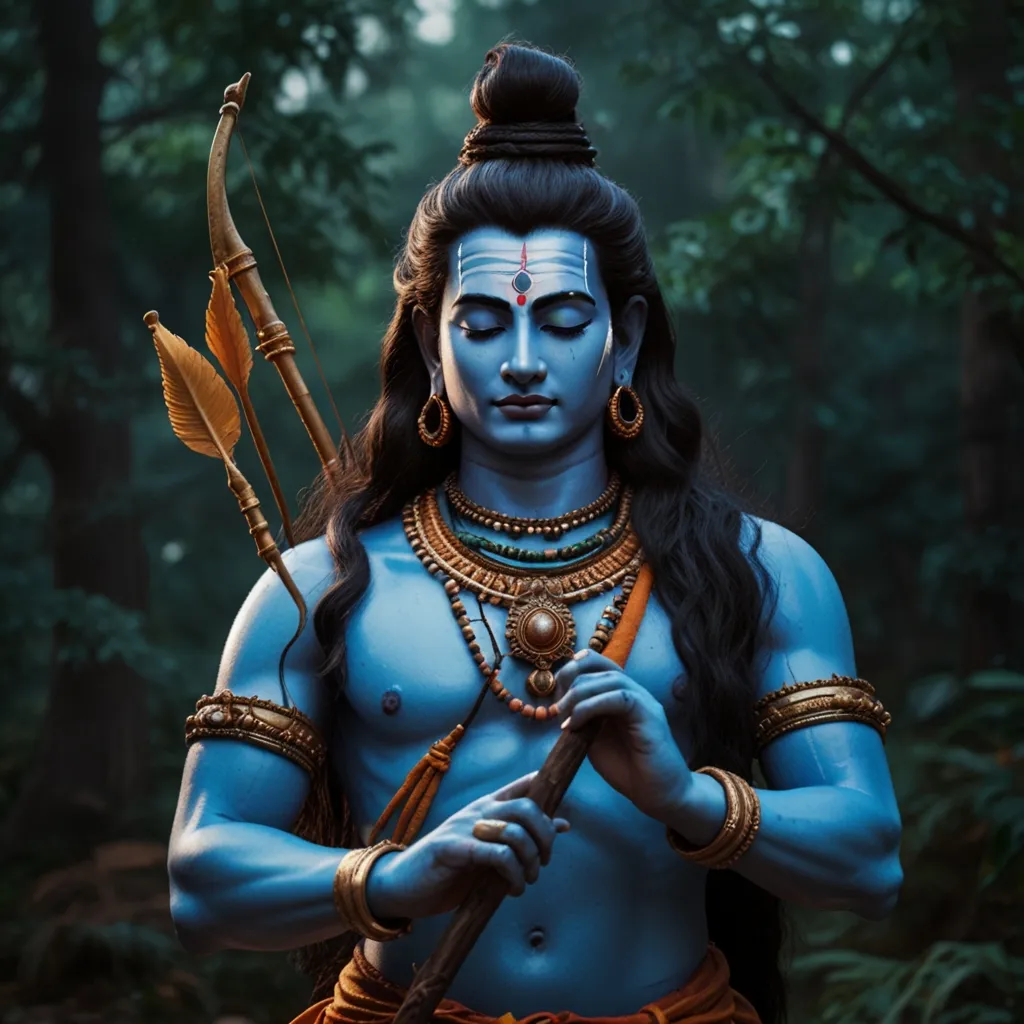
The gods, with Brahma leading, decided that enough was enough. They sought Shiva’s help, despite knowing he usually stayed out of worldly drama. Shiva was deep into his meditation when approached by the desperate gods. Seeing their distress, he decided to take action.
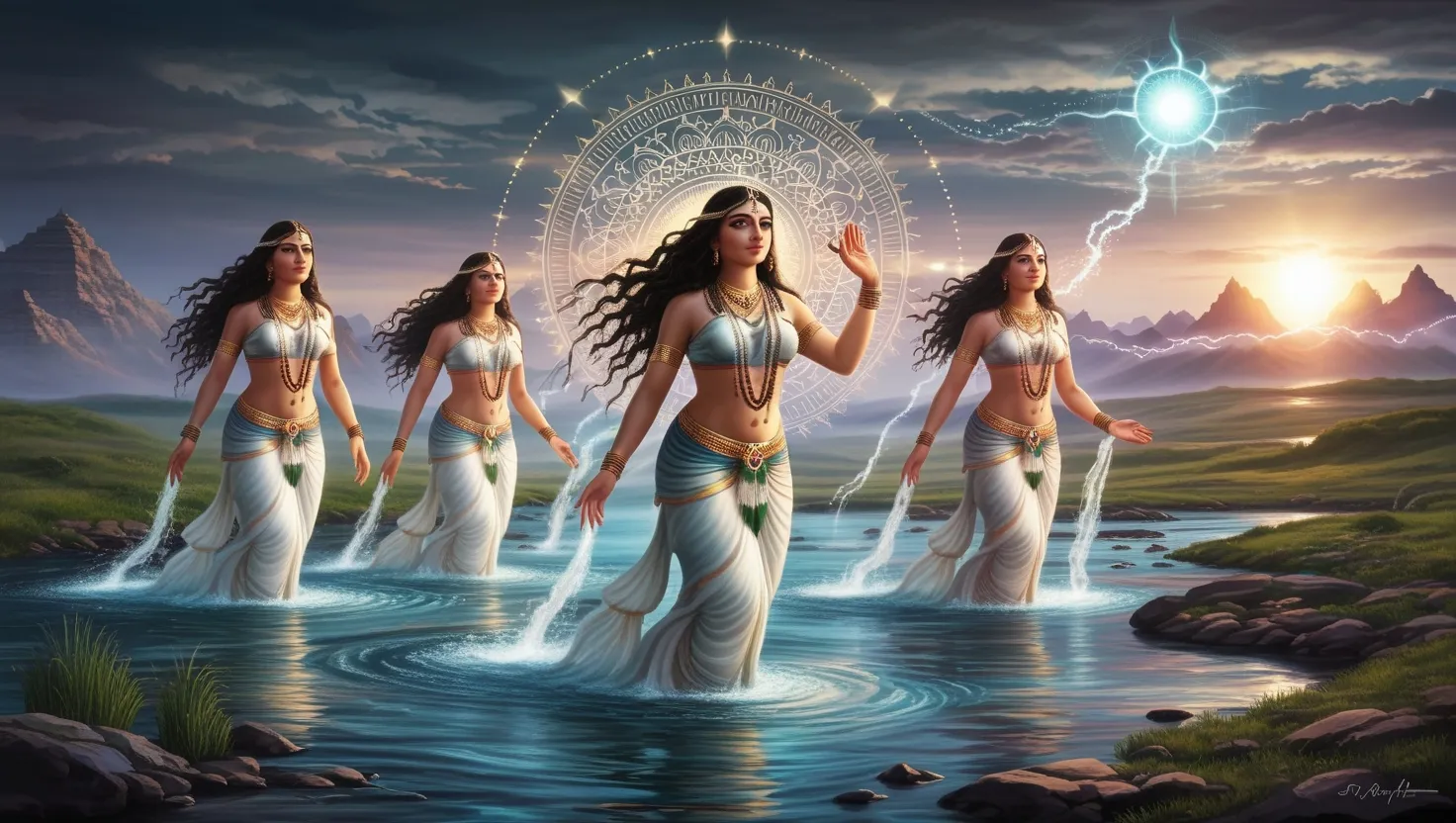
Shiva came up with a cunning plan. Knowing that Daruka’s power came from his devotion to Durga, he transformed into Bhadrakali, a stunning woman, and walked into Daruka’s domain. Daruka was instantly smitten and proposed marriage. Bhadrakali agreed but put forth a challenge: answer her riddle.
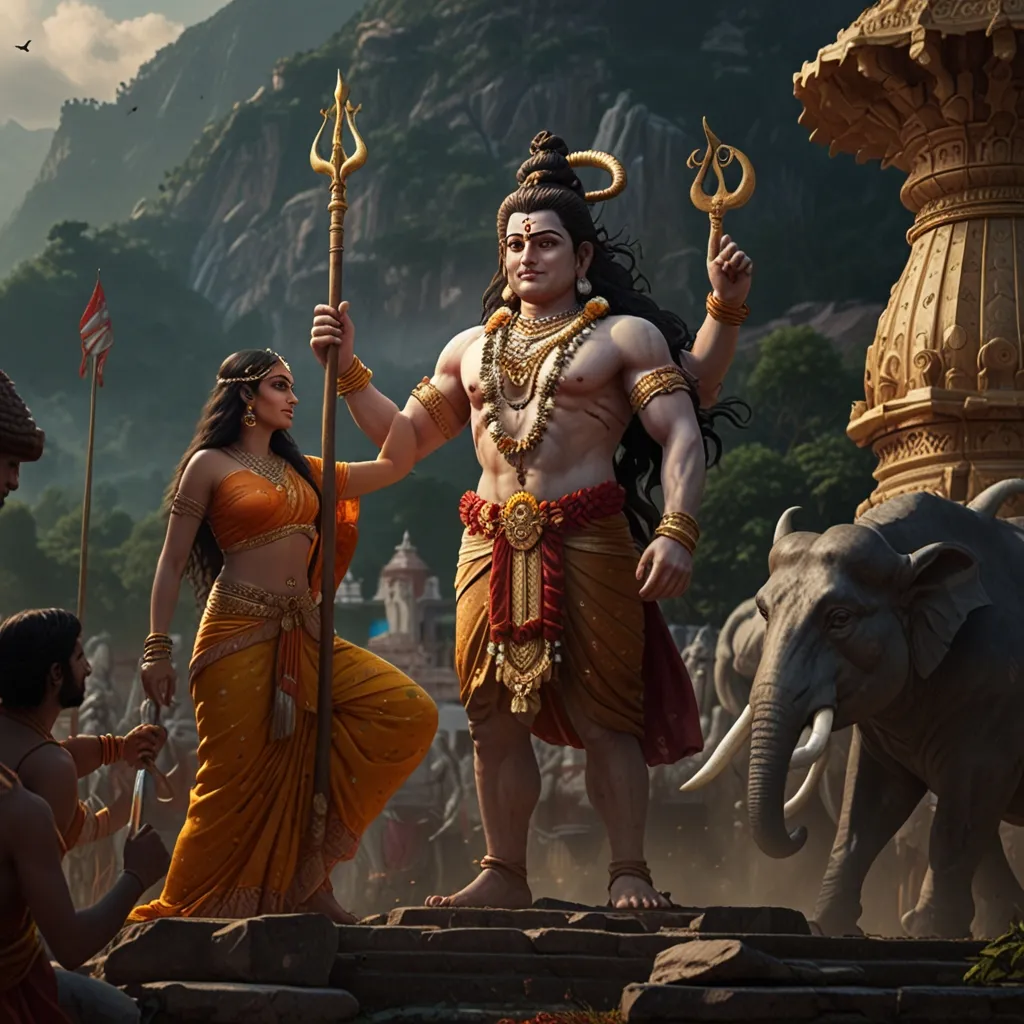
The riddle was a tricky one: “What is it that is blind, yet sees; silent, yet speaks; and is born, yet dies?” Daruka couldn’t solve it. In his frustration, he revealed his demonic form. That was Shiva’s moment. He reverted to his true form and struck Daruka down with his trident, bringing peace back to the universe.
This tale beautifully showcases Shiva’s power and his strategic mind. It tells us that brute force isn’t always the way; wisdom and adaptability are equally important.
Shiva’s influence stretches far beyond Hindu mythology. He is revered globally—seen as Daikokuten in Japan and worshipped across Asia as a significant deity. His stories find their way into modern culture too, inspiring books, films, and TV series.
Shiva teaches us about the cycle of life and death and the importance of maintaining balance. His tales echo through time, reminding us of the virtues of wisdom and compassion. His story with Daruka is a prime example of how good defeats evil through cleverness and strength balanced with mercy.
In a nutshell, Shiva’s legend and his victory over Daruka stand as a testament to the intricate and profound world of Hindu mythology. His enduring legacy continues to inspire and guide us even today.