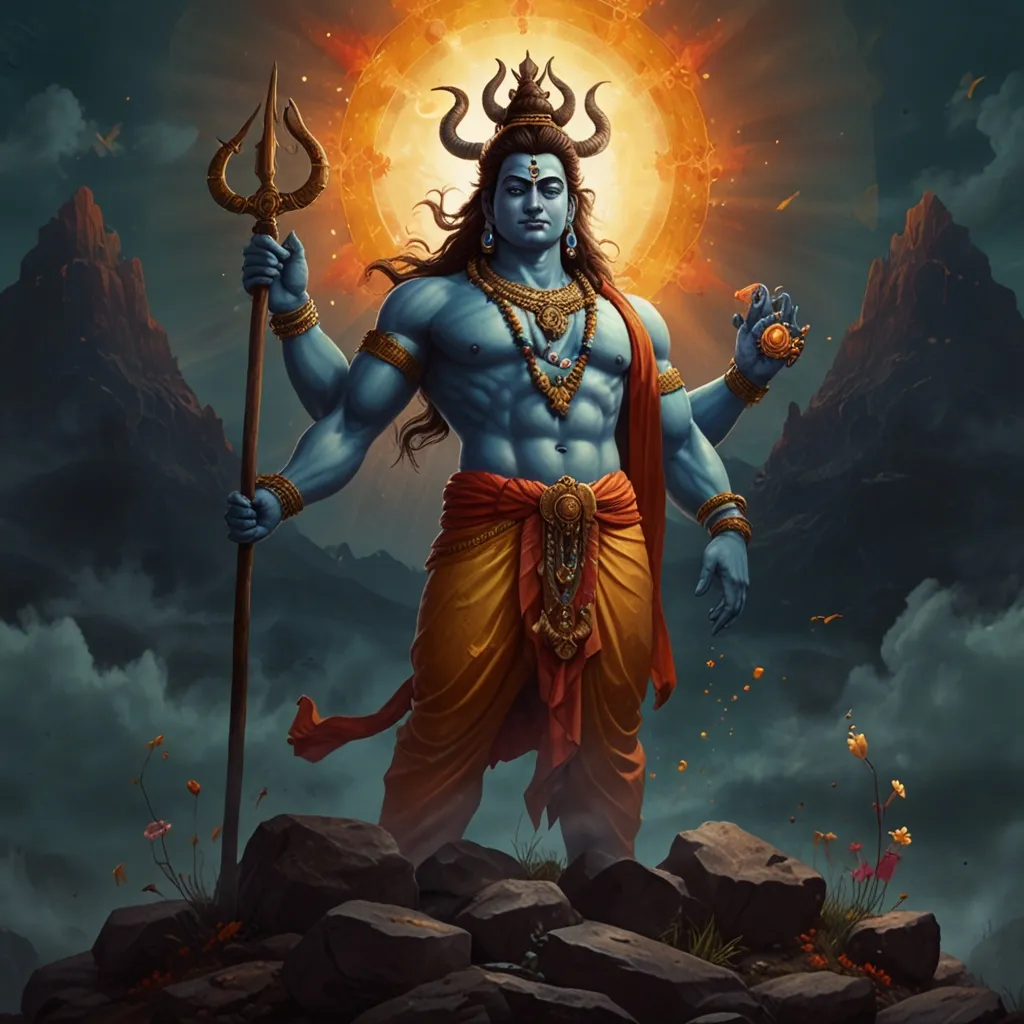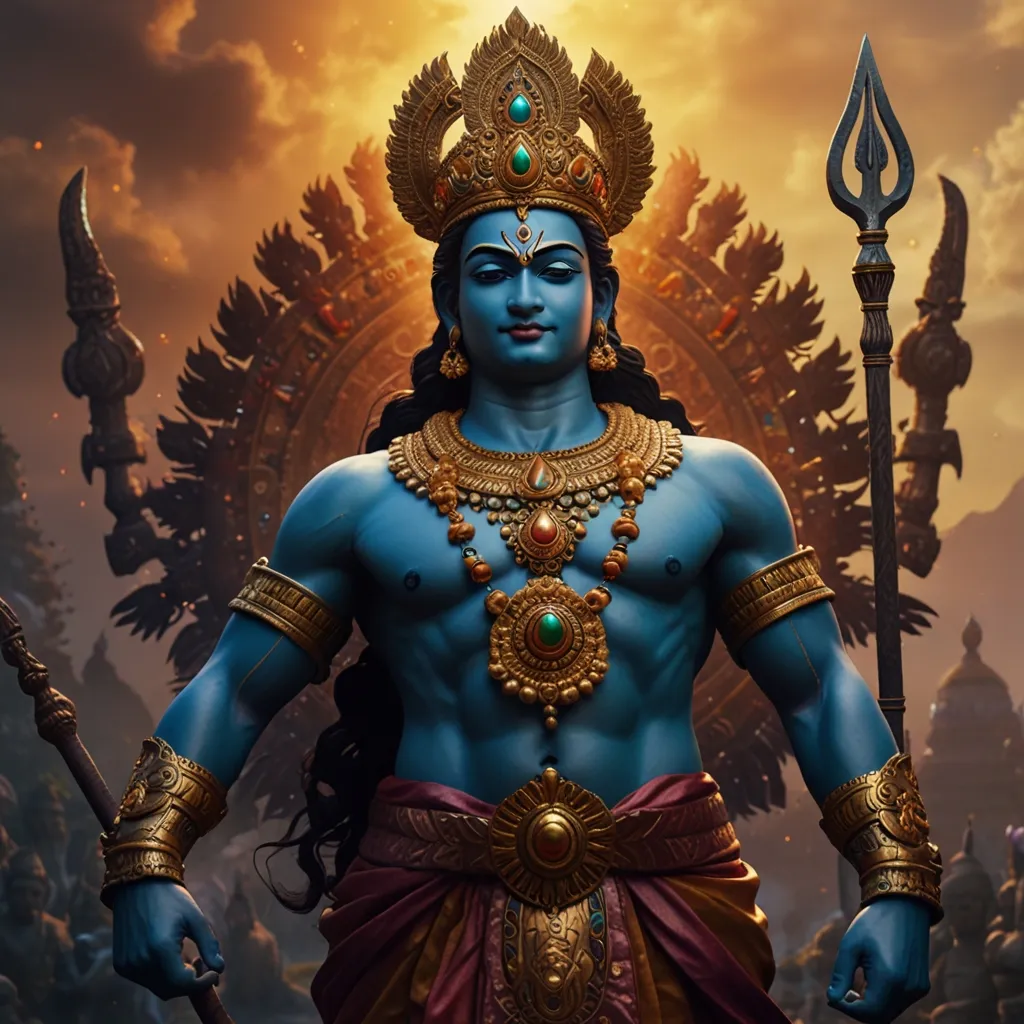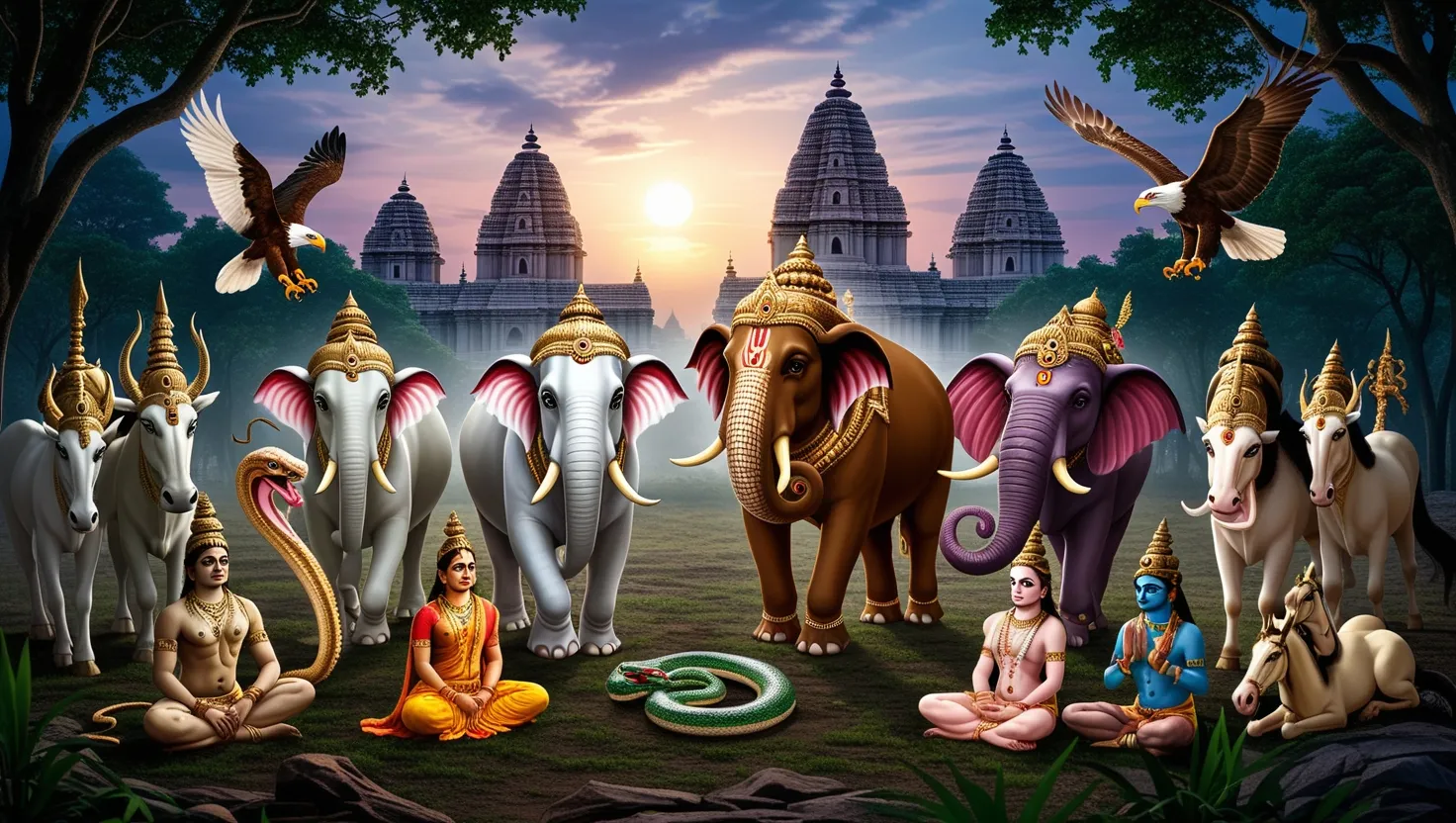
In the heart of the ancient Indian epic, the Mahabharata, the story of Kiratarjuniya stands out. It’s about one of the Pandava brothers, Arjuna, and his encounter with the god Shiva. This tale is packed with bravery, devotion, and divine moments.
So, during their time in the forest, the Pandavas were going through a rough patch. Draupadi and Bhima wanted Yudhishthira, the eldest brother, to start a war against their cousins, the Kauravas. But Yudhishthira, being the patient and wise guy he was, didn’t want to rush into a fight. This decision made the brothers a bit uneasy.
Arjuna, being the skilled warrior he was, felt the need to prove himself. He wanted some divine backup for the upcoming war. On the advice of the god Indra, Arjuna went into the forest to pray to Shiva and get his hands on the powerful weapon, the Pashupatastra.
Arjuna’s devotion was something else. He fasted, meditated, and did everything to get Shiva’s attention. After days of hard penance, Shiva took notice. But to test Arjuna’s worth, Shiva decided to step into the picture.
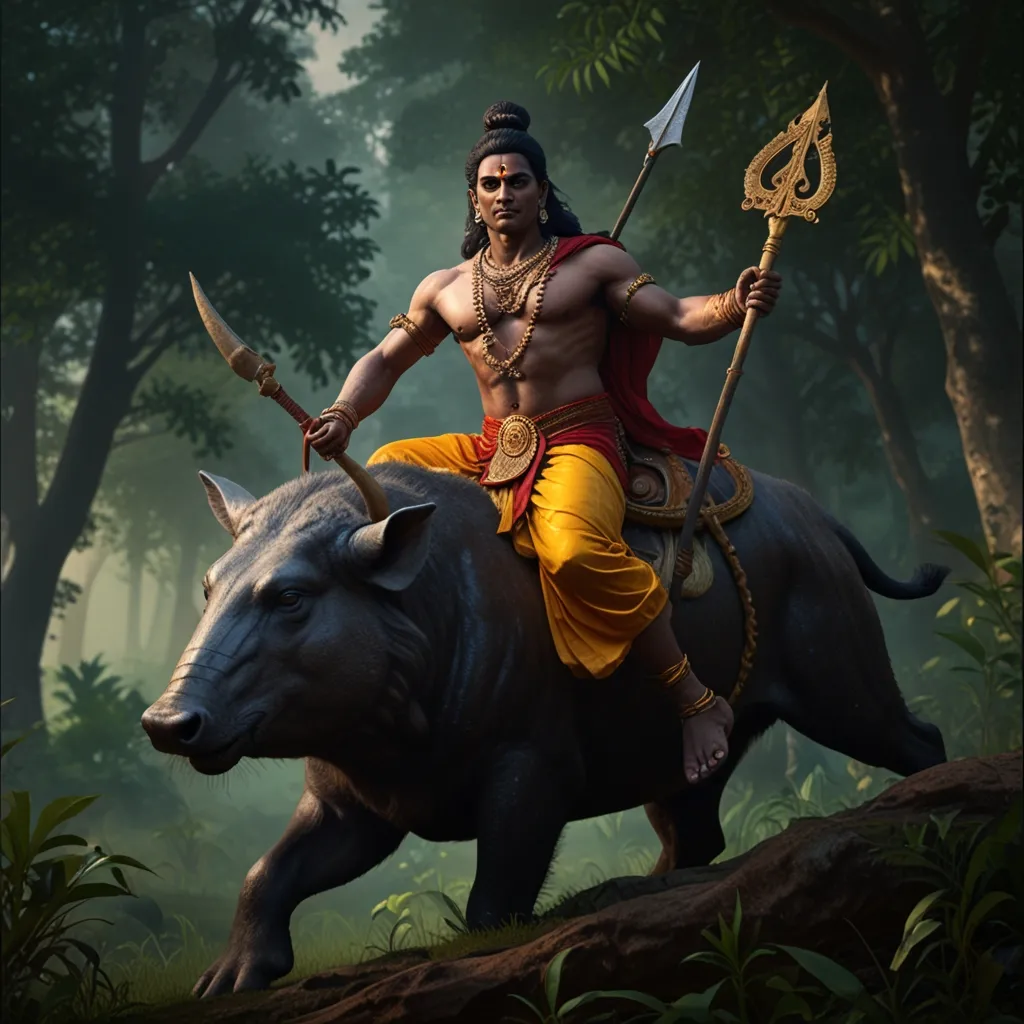
One day, a wild boar, which was actually a demon named Muka, appeared in the forest. Shiva, disguised as a wild mountaineer (kirata), also showed up. Both Arjuna and the kirata shot arrows at the boar, killing it. But then they started arguing over who got it first.
Things quickly escalated, leading to a fierce battle between Arjuna and the disguised Shiva. Despite Arjuna’s skills, he couldn’t beat the kirata. They fought fiercely, with no clear winner in sight. Exhausted and confused, Arjuna still didn’t back down.
After a long and intense duel, Arjuna realized that the kirata was none other than Shiva. He immediately surrendered, showing his respect. Shiva, pleased with Arjuna’s bravery and humility, revealed his true form and blessed him.
Shiva rewarded Arjuna with the Pashupatastra, a mighty weapon that could change the course of any battle. With this divine gift, Arjuna felt ready to take on any challenge.
The Kiratarjuniya is more than just a thrilling fight scene; it’s a story that reflects core values like devotion, bravery, and humility. It’s a reminder that true strength isn’t just about weapons but comes from the heart and the readiness to bow before a higher power.
This epic story has inspired countless works in Indian literature and art over the centuries. The Kiratarjuniya remains a beloved tale, reminding us of the timeless themes of heroism, devotion, and the sacred bond between mortals and gods.