The Mahabharata, one of India’s two great epics, gifts us timeless tales of valor, wisdom, and complex human emotions. One of the most riveting chapters is the exile of the Pandavas—their 13-year journey through trials and tribulations after losing everything in a high-stakes game of dice.
First off, let’s break down the intense gamble that set the stage. It all kicked off with an infamous game of dice. Yudhishthira, the eldest of the Pandavas, got tricked into gambling their entire kingdom away by his sly cousin, Duryodhana. Yudhishthira, who always upheld duty and honor, knew the odds of winning were slim. Yet, he kept playing, driven by his deep-seated values. As expected, disaster struck, and the Pandavas ended up losing everything.
With their fate sealed, the exile began. The Pandavas, along with their devoted wife Draupadi, were banished to the forest for twelve years. The thirteenth year wasn’t to be any easier, as they had to spend it in disguise. Forest living was no walk in the park. It was a wild, dangerous place full of lurking uncertainties. Despite the harsh challenges, many followers insisted on tagging along, but Yudhishthira, filled with concern for their safety, urged them to stay back in Hastinapura.
Now, survival in the forest posed a new problem—how to feed everyone? Yudhishthira turned to prayer, invoking Surya, the sun-god. And lo and behold, Surya appeared, bestowing upon them a magical copper bowl that was never empty. This divine gift ensured that hunger was the least of their worries, reminding everyone of faith’s power and the gods’ benevolence in times of need.
Living in exile wasn’t just about survival. The Pandavas found solace in tales spun by the forest’s wise rishis. Among these stories was an account of their ancestor, King Kuru. King Kuru had literally plowed the land with his flesh and blood, seeking Indra’s blessing so fallen warriors or renunciants would attain heaven. This land, named Kurukshetra, would later become the stage for many destinies.
When twelve years passed, the Pandavas faced a bigger challenge—the thirteenth year of disguise. Clever and resourceful, they took varied roles to blend in at King Virata’s court in Matsya. Yudhishthira became Kanka, the dice player; Bhima turned into Vallabha, the cook; Arjuna transformed into Brihannala, a eunuch teaching dance and music; Nakula was Granthika, the horse trainer; Sahadeva became Tantipala, the cattle herder; and Draupadi morphed into Sairandhri, a maid to Queen Sudeshna.
But it wasn’t all smooth sailing. Draupadi caught the eye of Kichaka, Queen Sudeshna’s brother, who relentlessly pursued her despite her warnings. The king didn’t lift a finger to protect her, so it fell to Bhima to come to the rescue. Disguising himself as a woman, Bhima confronted and killed Kichaka in a clandestine meeting, showing the lengths the brothers would go to protect Draupadi.
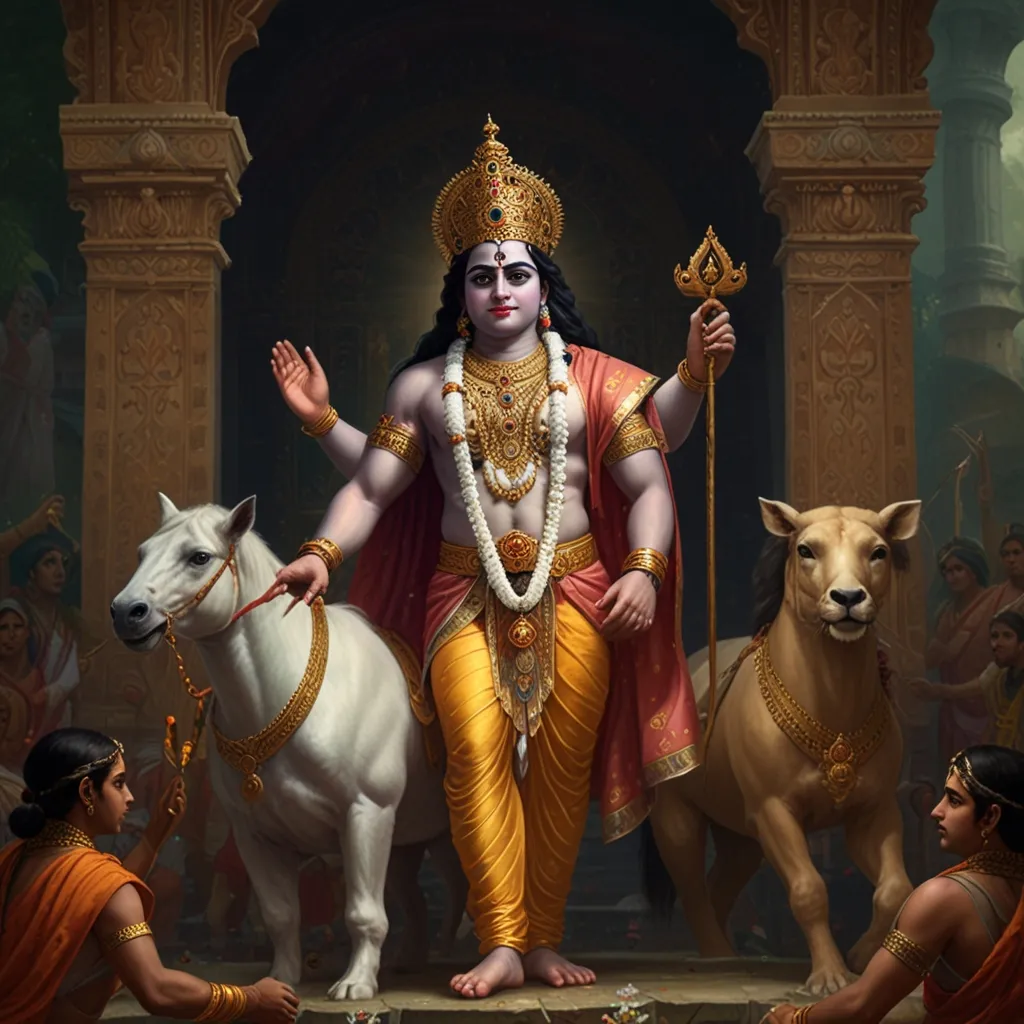
As the thirteenth year drew to a close, it was time to reclaim their kingdom. However, Duryodhana, with his unyielding ambition, refused to give it up. War became inevitable. Enter Krishna, the ever-loyal friend and strategist for the Pandavas. He posed a choice—a massive army or himself. Arjuna chose Krishna, who pledged to be his charioteer, ensuring the Pandavas retained their moral and strategic edge.
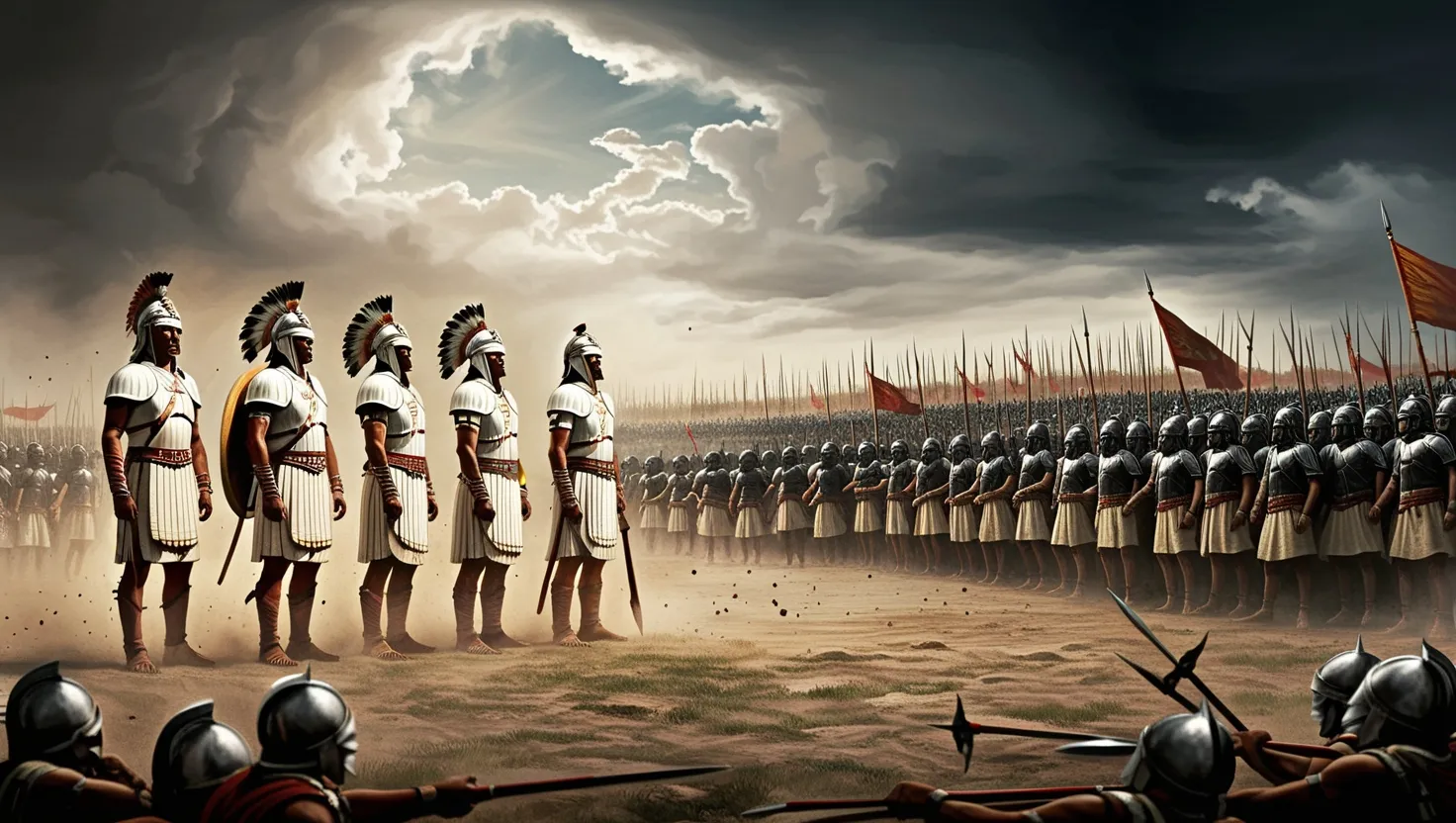
The great war of Kurukshetra then loomed on the horizon. The blind king, Dhritarashtra, sensing the impending doom, asked Bhishma to lead his forces. Bhishma agreed, but he laid down one condition: Karna, only to join the fray after his death. The war was a grand spectacle, a clash of titans with sacrifices on both sides. The Pandavas ultimately triumphed, but the victory came with staggering losses.
Post-war, the Pandavas ruled Hastinapura for 36 years, establishing a just and righteous realm. But as time marched on, bringing the Age of Kali Yuga, they decided to renounce worldly pleasures. Seeking liberation, they trekked up to Mount Kailash. Only Yudhishthira made it to the doors of Svarga Loka, accompanied by a dog who was none other than God Yama in disguise. The others fell along the way, each succumbing to their imperfections.
The tale of the Pandavas’ exile isn’t just a narrative of survival and war. It’s a deep dive into resilience, duty, and the eternal battle between right and wrong. It stands as a powerful reminder that even in the darkest times, hope prevails, and virtue ultimately wins the day. Their journey teaches us that unwavering faith, relentless courage, and true virtues are the keys to overcoming life’s hardest battles.