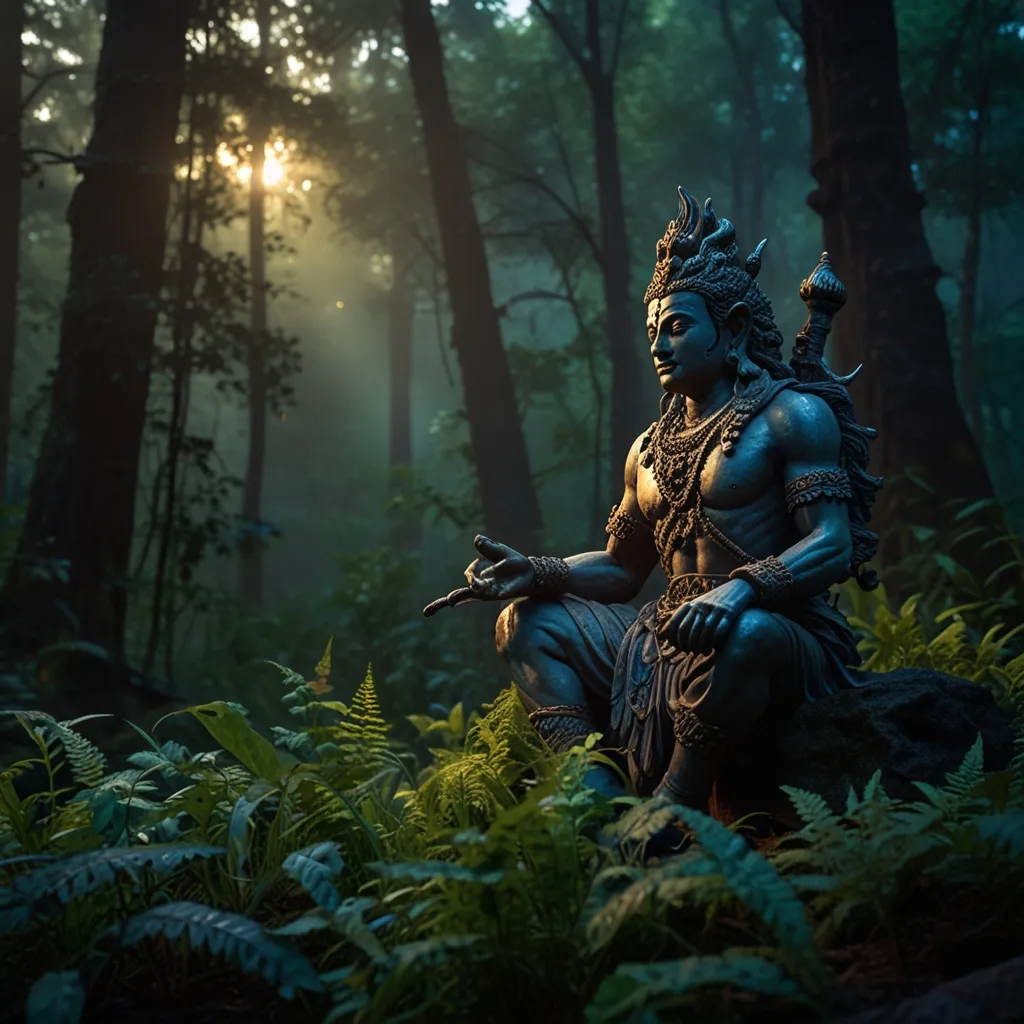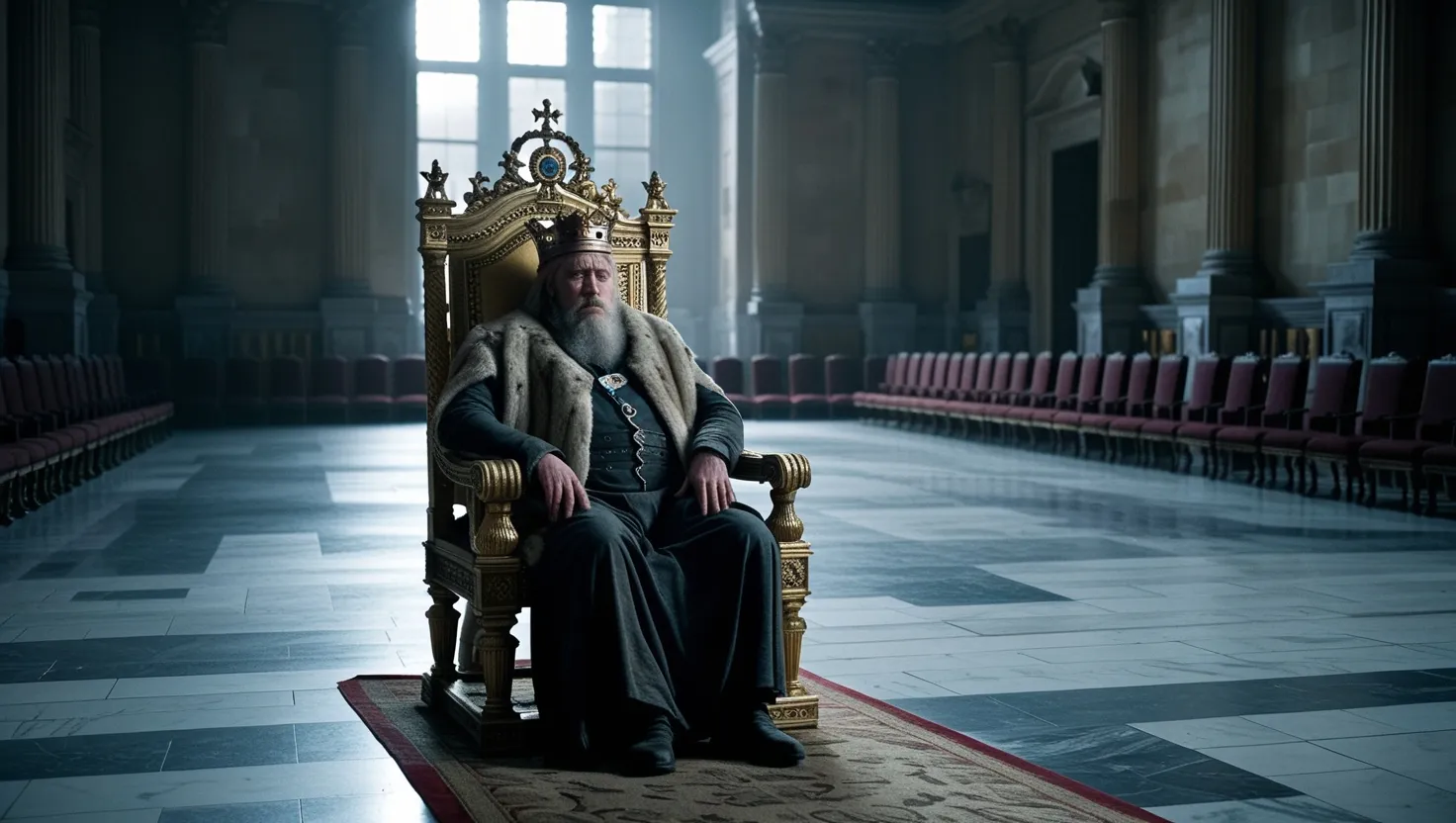
Imagine this: you fight the biggest battle of your life, spill rivers of blood, lose everyone you love, and finally sit on the throne you dreamed of. Sounds perfect, right? Wrong. That’s the story of the Pandavas after Kurukshetra. They won the war, got the kingdom back, but it felt like holding a handful of ashes. Let me walk you through it, step by step, like we’re chatting over tea. I’ll show you the hidden pains no one talks about much.
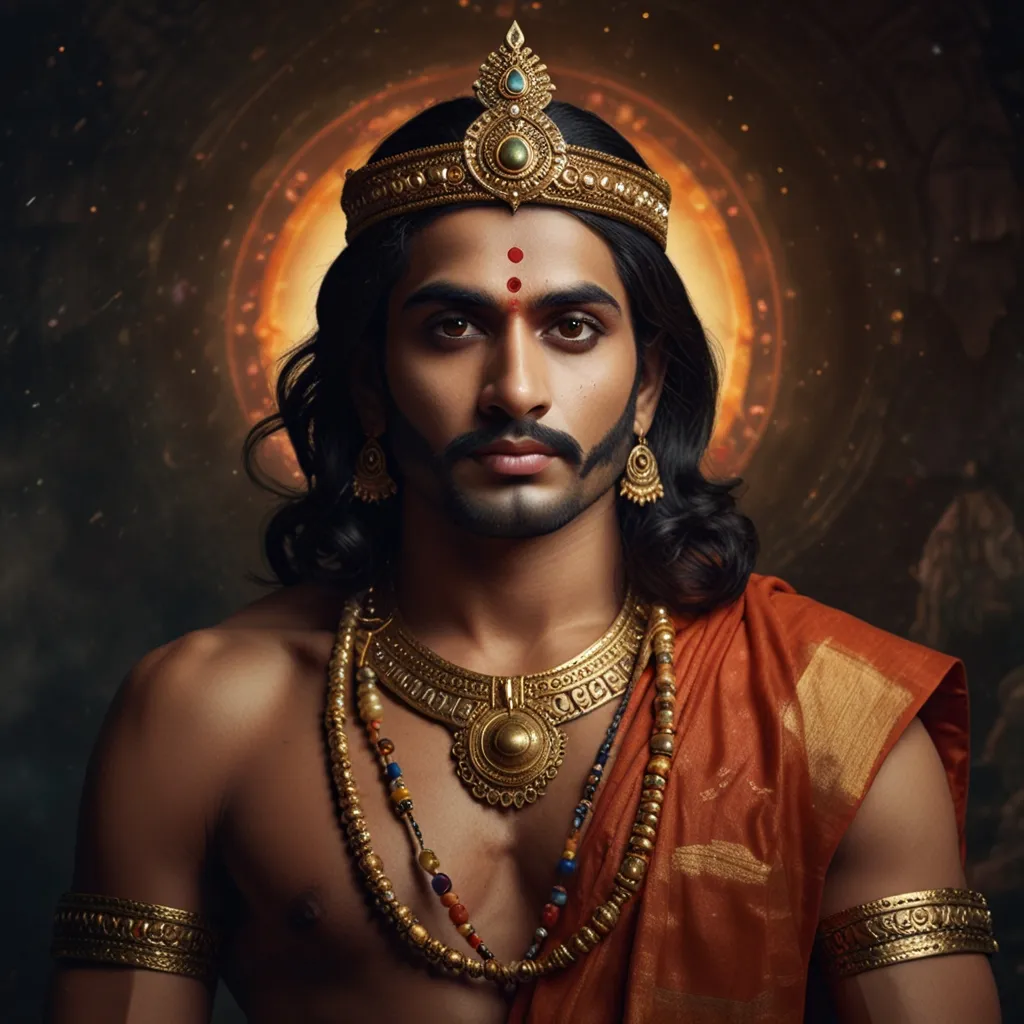
Picture Yudhishthira, the eldest Pandava, on coronation day. Crowds cheer, priests sing, gold everywhere. But he’s not smiling. That throne? It burns him. Why? Because every jewel reminds him of the millions dead—his own kin included. He sees empty spots in the crowd where uncles and cousins should stand. “Hey, have you ever won something small, like a game, and still felt empty? Now multiply that by a whole war.”
He tries to rule fairly. Fixes taxes, helps farmers, judges fights. But inside, he’s screaming. Remember how he lied to Drona, his guru, to win? That one white lie haunts him. “I’m the king of dharma,” he thinks, “but I cheated.” Lesser-known fact: in some old tales, he refuses food for days after, saying the land’s grief poisons everything. His perfect laws feel fake because the war’s cost mocks them.
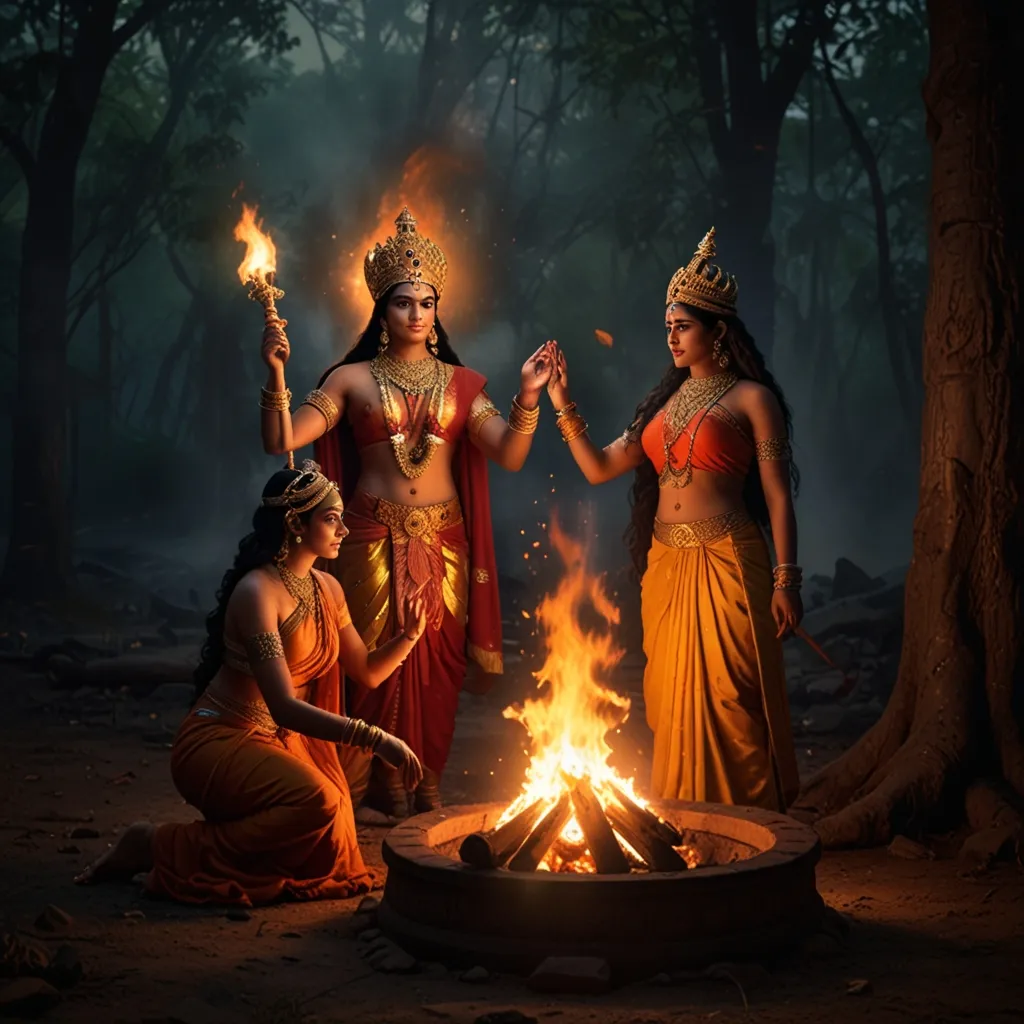
Now, think about Draupadi. She swore to tie her hair with Dushasana’s blood. She does it—dips her hands in red, feels justice. Brutal, yes. But wait. Her five sons? Dead in their sleep by Ashwatthama. Victory party? Silent screams. She washes her hands a hundred times, but that sari-pull feeling sticks. Unconventional angle: her revenge saved her honor but killed her future. No grandkids from her line. What if revenge is just trading one pain for another deeper one?
“Vengeance is a dish best served cold,” says the proverb, but for Draupadi, it was hot blood—and it scalded her soul.
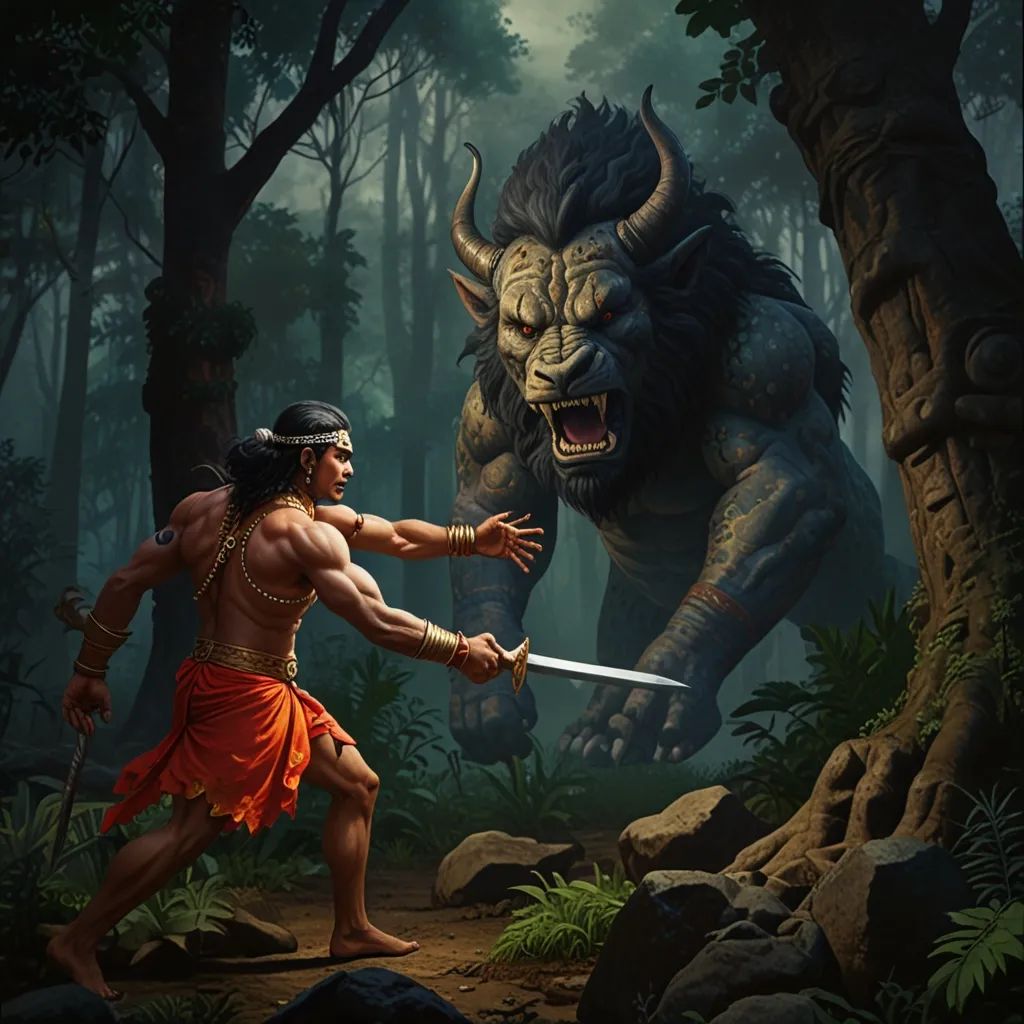
Bhima, the muscle man. He smashes Duryodhana’s thighs, drinks his blood like promised. Crowd roars. Done. But nights? He stares at his mace, useless now. Food tastes like dirt. His strength crushed bodies, but can’t crush memories. Hidden bit: Bhima wanders battlefields alone post-war, burying unclaimed bones. He’s the hero who feasts on victory, then starves on regret. Ever feel super strong, then weak inside? That’s him.
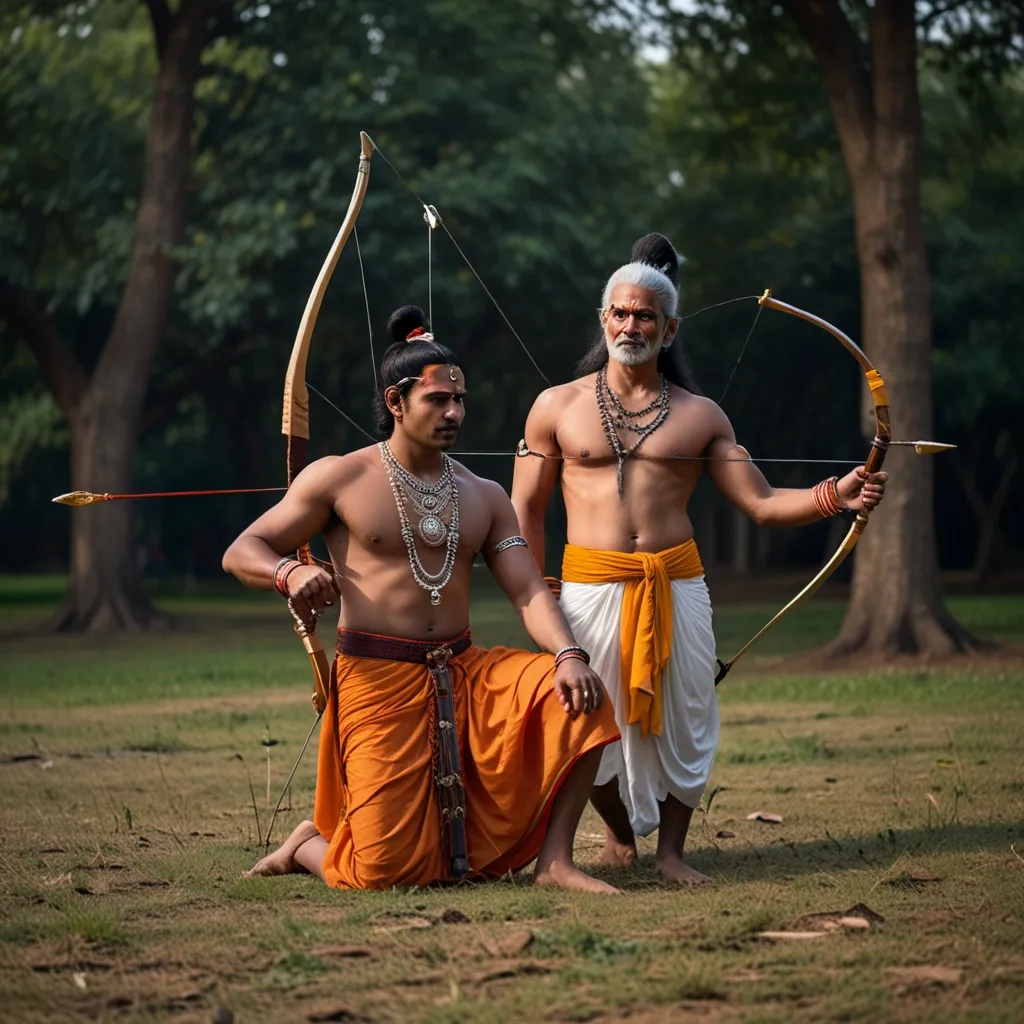
Arjuna, the archer god. Gandiva bow hangs dusty. He hears Krishna’s Gita words echo—“do your duty”—but also Abhimanyu’s last cry, Karna’s fall, Bhishma’s arrows. Palace halls feel like tombs. Strange perspective: Arjuna, blessed by gods, envies ordinary men who didn’t shoot kin. His aim was perfect; his heart, shattered. “What if the best warrior wishes he missed every shot?”
Nakula and Sahadeva, the twins? Often forgotten. They survive, rule quiet corners. But they see brothers broken, Draupadi hollow. They horse-train, plan festivals—for what? A kingdom of widows. Their skill in looks and stars can’t fix grief.
The palace rebuilds grander—marble floors, gardens. Daytime, they govern: feed orphans, build dams. Yudhishthira starts widow funds, orphan homes. Noble, right? But every charity screams, “I caused this.” Lesser-known: he taxes less, fearing more blood from poor folks. Rules with kid gloves, scared to squeeze.
Nights hit hardest. Wind howls like conch shells. Dreams replay day 14—Arjuna’s son trapped, Bhishma’s bed of arrows. They wake sweating, smelling phantom blood. “Do you ever wake from a bad dream, heart pounding, and wonder if peace is real?”
“The aftermath of great wars is a second war, fought in silence with ghosts,” as one ancient sage noted.
Admin work drags. Disputes over land—whose cow died in war? Yudhishthira listens, nods, but thinks, “I gambled the kingdom away first.” Hypocrite king. He performs horse sacrifices for prosperity, but horses remind him of dead cavalry. Unconventional view: their “victory” laws birth a softer rule—no more dice games, stricter kin codes. War taught mercy, too late.
Draupadi manages inner chambers. Washes floors herself sometimes, says it cleans her guilt. Her laugh? Rare, forced. Sons gone, husbands haunted. She whispers to empty cradles. What if her fire, once kingdom-saver, now burns only her?
Bhima trains guards, but swings soft. “No more killing,” he grumbles. Eats less, grows thin. Once, he crushes a thief bare-handed—then weeps. Strength turned inward, eating him.
Arjuna teaches archery to kids, but stops mid-lesson, eyes wet. “Aim true,” he says, “but know the cost.” He visits Krishna’s old spots, questions fate. Gods won the war; men lost joy.
Years pass. Kingdom blooms—crops high, trade flows. But Pandavas age fast, gray before time. Subjects whisper, “Kings look like ghosts.” Yudhishthira tours villages, hears songs of dead heroes—from both sides. Unity in grief.
Then, the twist. Parikshit, grandson, grows strong. Blood of Pandavas and Kauravas mixed—perfect heir. They crown him young, step down. Not defeat. Wisdom. “We’ve ruled ashes long enough.”
They walk to Himalayas. No army, no gold. Just staffs, rags. Yudhishthira falls first? No, legend says he climbs high, seeking moksha. Draupadi slips on ice—symbolic? Bhima carries her memory. Arjuna’s bow? Left behind forever.
“True victory is leaving the battlefield behind, body and soul,” Krishna might say if he were here.
Why does this matter today? Think modern wars—win land, lose sons. Or your life: nail that job, but family breaks. Hollow wins everywhere. Kurukshetra shows: count costs before cheering.
Ever chased a goal, got it, felt meh? That’s Pyrrhic life. Pandavas teach: some thrones are traps. Renounce them.
But wait—did they really win nothing? Kingdom lasted generations. Their story warns us. Unconventional insight: war’s real loser is joy. They ruled to heal, failed, then walked away—that’s the win.
Nights in Hastinapura, post-them: quiet. No ghosts? Or did they take them? Imagine Parikshit on throne, hearing grandpa tales. “Rule light,” they said.
Draupadi’s hair, tied bloody, stays tied in tales. Reminder: justice stains.
Bhima’s mace, museum piece. Strength for peace now.
Arjuna’s arrows, rusted. Aim at self next.
Yudhishthira’s laws, etched stone. Dharma with dents.
Their hike? Not escape. Arrival. Peace beyond crowns.
Question for you: what “victory” in your life feels hollow? Chase less, or chase different?
Hidden fact: some texts say they meet gurus in mountains, forgive selves. Release.
Another angle: women widows remarry? Pandavas allow it—war softened them. Forward-thinking kings.
Orphans schooled free. Legacy in living.
But core: ashes rule. Win war, lose self.
“In the end, the warrior’s greatest foe is the mirror,” muses an old bard.
They gazed back at plains. Kurukshetra, green now. Blood soaked in. Victory? Field of lessons.
Today, read Mahabharata—not for battles, but aftermath. Real war starts after.
Walk away from your ashes. Like them. Find himalayan peace.
(Word count: 1523)