In the grand epic of the Mahabharata, the creation of Indraprastha shines as a brilliant example of creativity and divine help. Imagine taking a piece of barren land, Khandavaprastha, and turning it into one of the most amazing cities of its time, rivaling even the heavens with its beauty and grandeur.
The adventure starts when the Pandavas returned to Hastinapur after marrying Draupadi. Their homecoming was a whirlwind of emotions. King Dhritarashtra, while a bit bummed that his sons didn’t win Draupadi’s hand, was still happy for his nephews. To keep harmony, he consulted with Bheeshma and Dronacharya about splitting the kingdom, ensuring both the Pandavas and Kauravas were content. The plan? To give the Pandavas half the kingdom, which sounded fair enough.
But here’s the kicker – the Pandavas were handed Khandavaprastha, a rather dismal, stony stretch of land. Not the prime real estate you’d hope for. This land was cursed by Lord Indra and inhabited by Nagas and Rakshasas, with the Naga ruler Takshaka having dominion over it. The forest itself was under Indra’s protection, with a promise to keep it barren to deter human habitation.
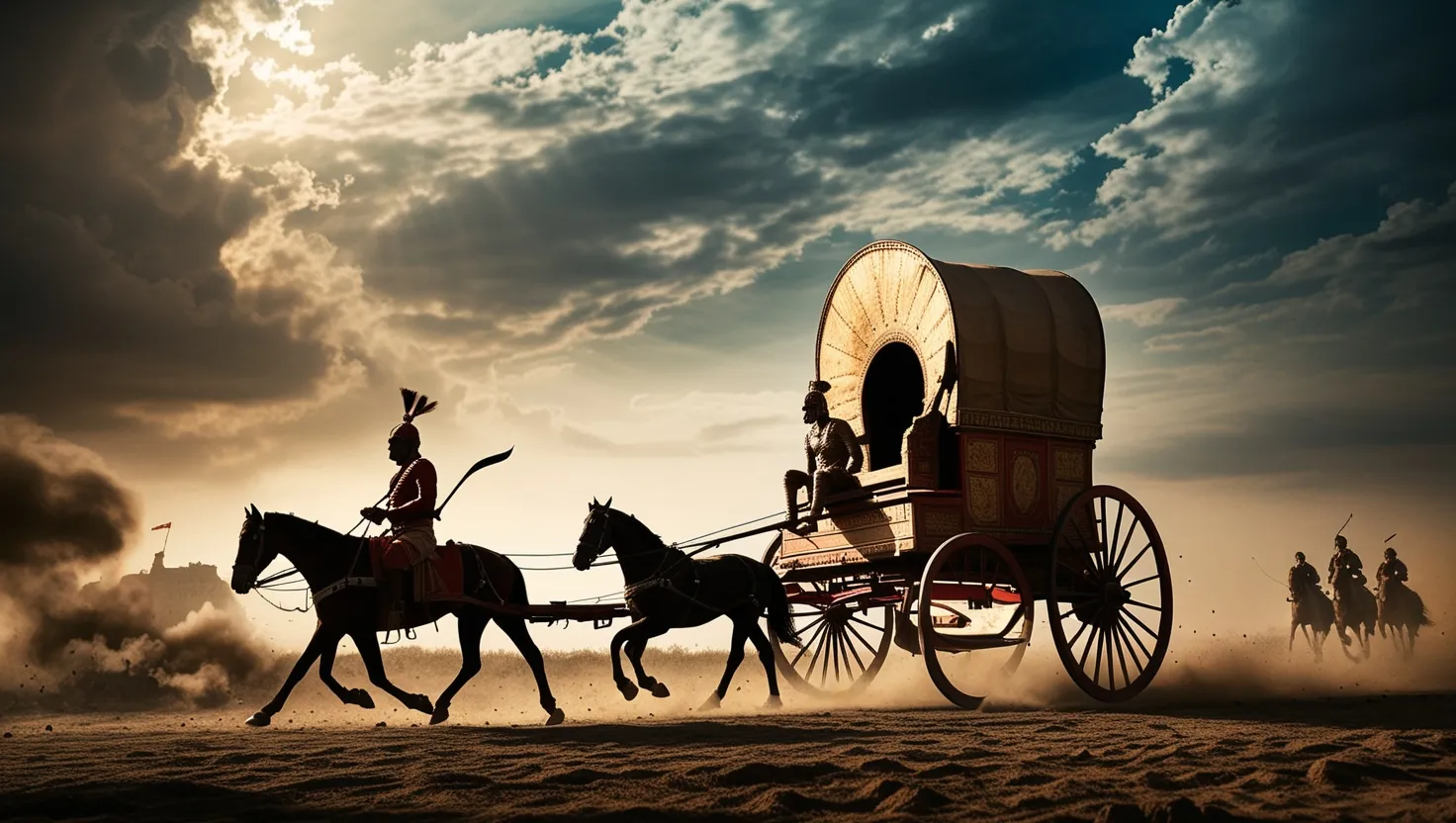
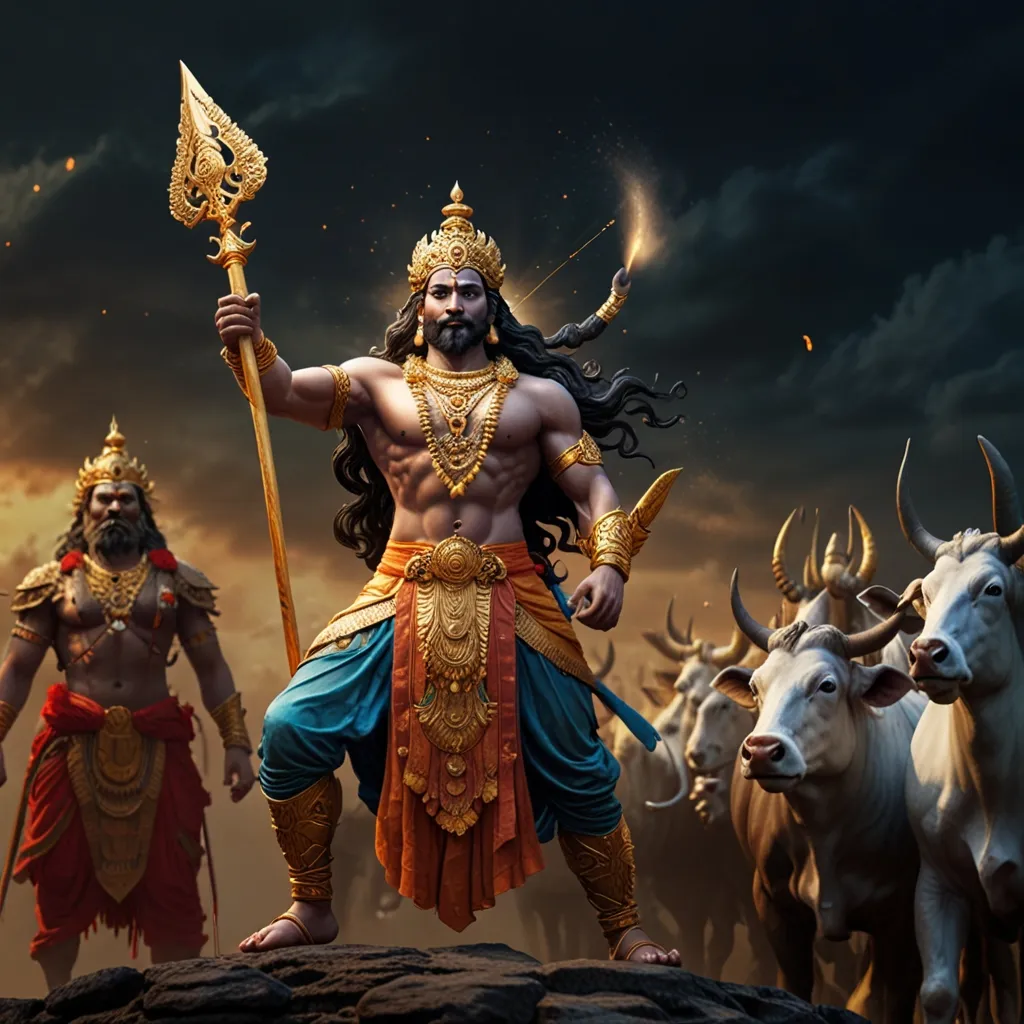
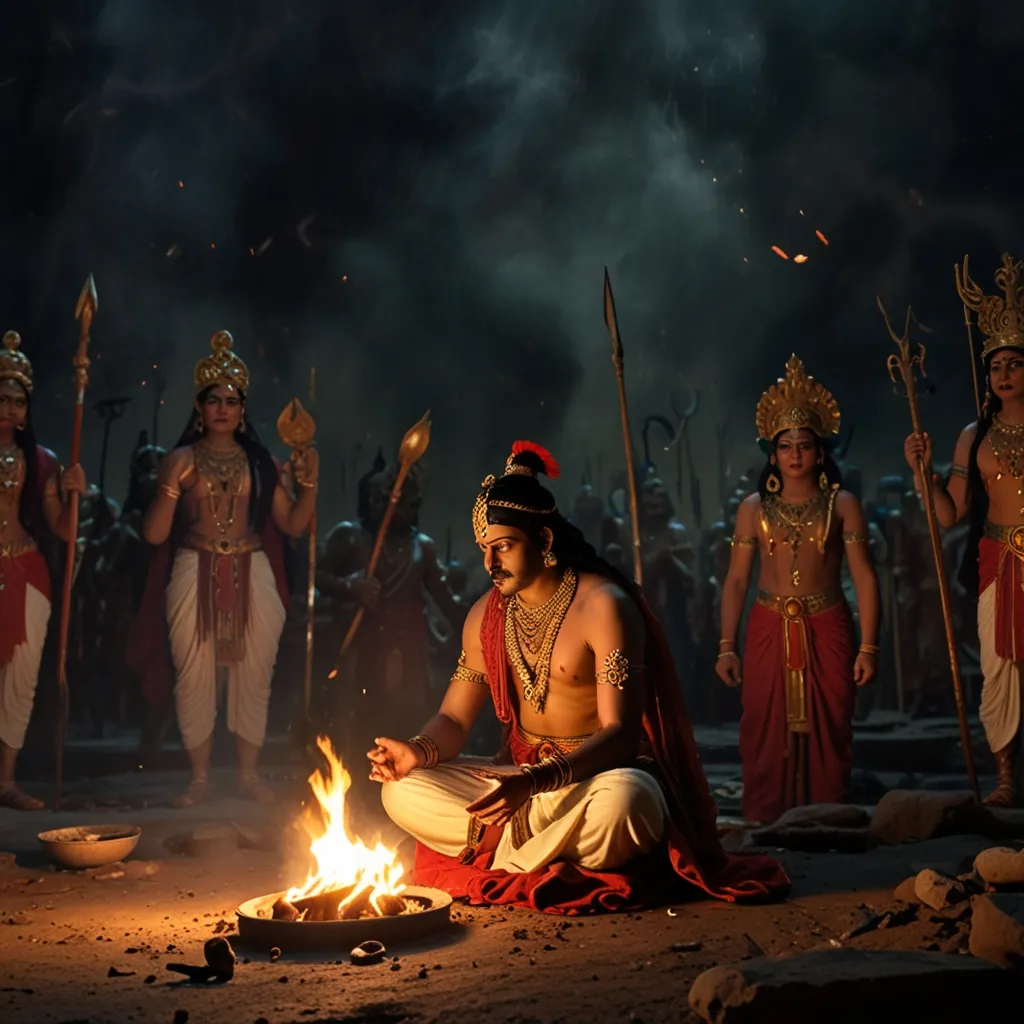
Enter Krishna, the Pandavas’ divine buddy and guide. He saw potential where everyone saw desolation. He beckoned Lord Agni, the Fire God, who was starved and needed this very forest to fuel his hunger. Krishna and Arjuna promised to help Agni out, spotting a golden chance to create their dream city. Agni, in return, reached out to Varuna, the Water-God, who handed over to Arjuna the Gandiva, an almighty bow, along with an inexhaustible quiver of arrows, and a chariot with unmatched speed.
With these divine weapons, Arjuna and Krishna ignited the Khandava forest. The flames roared, consuming most of the residents and causing Takshaka to escape to Takshila. A furious Indra stepped in, engaging Arjuna in a fierce battle. Despite all of Indra’s efforts and illusions, he couldn’t outmatch Arjuna’s prowess and the might of the Gandiva bow. Eventually, Indra, impressed by Arjuna’s strength, granted him the entire forest to establish their capital.
Boom! Indraprastha was born. Krishna summoned Vishwakarma, the gods’ top architect, to help the Pandavas construct their new home. Vishwakarma, also known as Maya, was a maestro of architectural wonders, having designed several legendary cities, including Dwarka and Lanka.
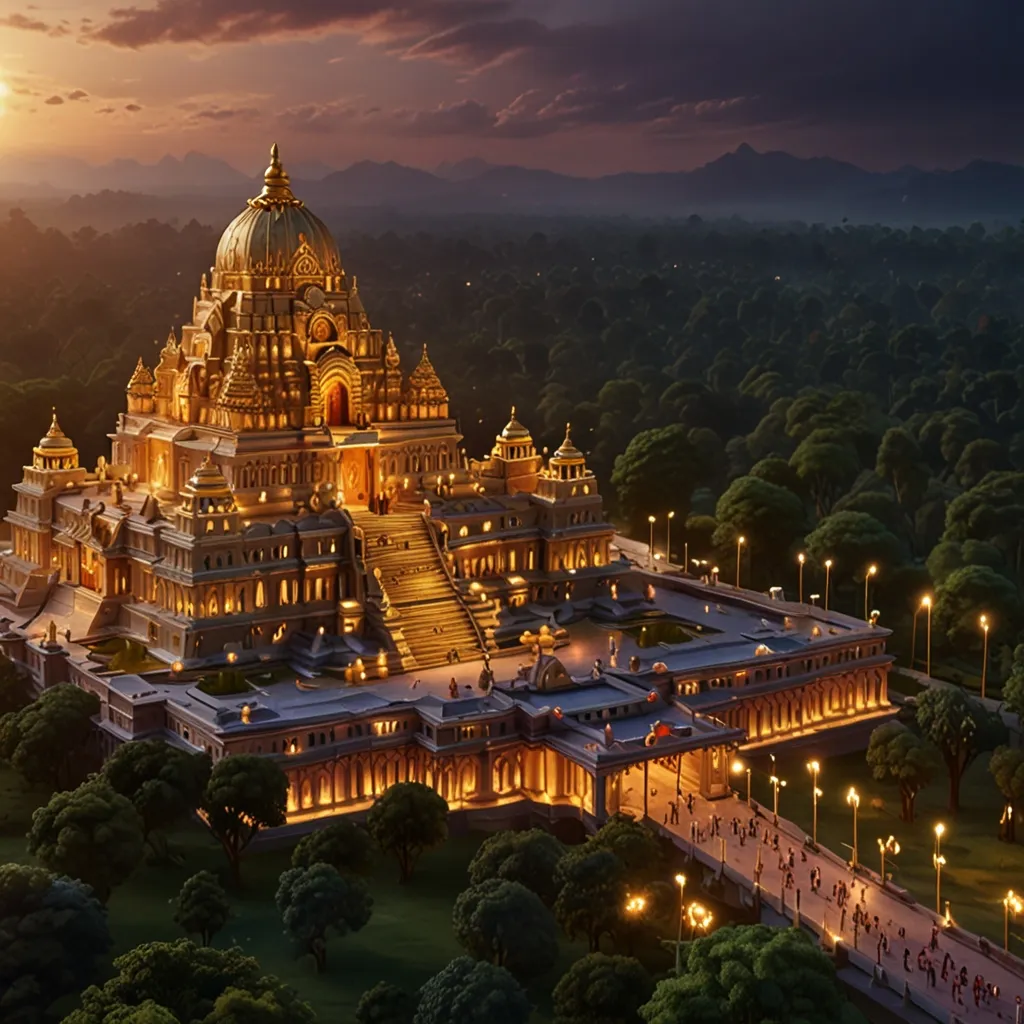
Under Vishwakarma’s magical touch, Indraprastha transformed from a barren wasteland into a dazzling city. Picture wide roads, lush gardens, a well-designed grid, and cool water features like pools and ponds. The royal palace, called the Maya Sabha or the Hall of Illusions, was an architectural gem. Its crystal floors shimmered like water and its walls sparkled with precious stones. The palace’s beauty and structure were unmatched, and it was completed in just five years.
Indraprastha thrived under the wise stewardship of Yudhishthira. The city became an emblem of peace, prosperity, and happiness. Beyond its grandeur, the city’s design focused on the comfort and wellbeing of its residents, with well-planned boulevards, markets, assembly houses, and temples. Every home had a courtyard and patio, showcasing a thoughtful, empathetic design approach.
Building Indraprastha wasn’t just about the physical structures; it had a spiritual dimension too. It epitomized the harmonious collaboration between humans and divine beings. The city’s fame and beauty spread far and wide, becoming the envy of every king in Bharata. Duryodhana, the eldest Kaurava, was particularly green with envy over the splendor of Indraprastha, which only added fuel to the already simmering tension between the Pandavas and Kauravas.
Modern archeology hints that Indraprastha was situated around today’s New Delhi, especially in the vicinity of the Old Fort (Purana Qila). Excavations have unearthed ancient artifacts such as special pots, painted items, and utensils, connecting the bygone city with our times. The legacy of Indraprastha extends beyond mythology; it’s mentioned in Pali Buddhist texts as Indapatta, the Kuru Kingdom’s capital.
Summing up, Indraprastha’s construction is a story of divine influence, human innovation, and the dream of building a perfect society. This legendary city stands as a brilliant reminder of the timeless allure and inspiration derived from the epic Mahabharata. The tale continues to mesmerize and inspire, proving that extraordinary achievements come from faith, courage, and vision.