Hinduism is one of the world’s oldest and most diverse religions, with its roots firmly planted in the Indian subcontinent. It spans across a vast array of philosophies, practices, and beliefs. With nearly a billion followers worldwide, it’s one of the major religions still thriving today.
Hinduism isn’t just about religious rituals; it’s about living a conscious life that respects humanity, nature, and justice. At its core is the concept of dharma, which means following a universal and natural path. Hindus worship many gods, but these deities are seen as different faces of a single unity, allowing for a rich tapestry of practices while recognizing their interconnectedness.
Karma is a huge deal in Hinduism. It’s all about the idea that every action has consequences, affecting the soul’s journey across lifetimes. This cycle of birth, death, and rebirth is known as samsara. The ultimate aim is to break free from this cycle and achieve moksha, or liberation, by detaching from worldly attachments and realizing the unity of the soul with the universal spirit, Brahman.
There are various paths to reach moksha. One can dive into the way of knowledge, studying sacred texts to understand reality. Another is the way of appropriate actions, doing duties without being attached to the results. Devotion to a chosen deity is also a popular route, where cultivating love and devotion is key. Many Hindus blend these paths to find their unique way to liberation.
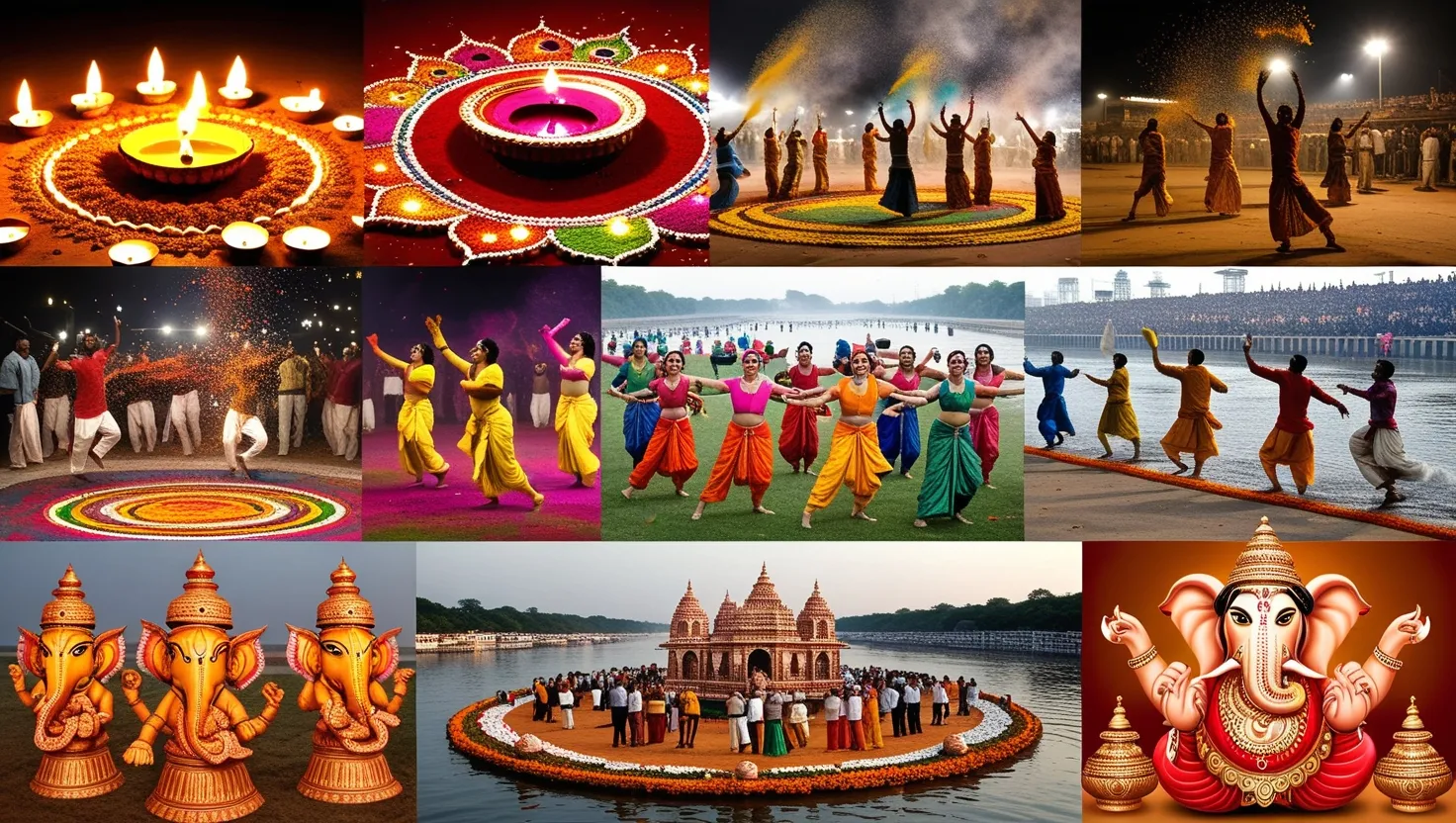
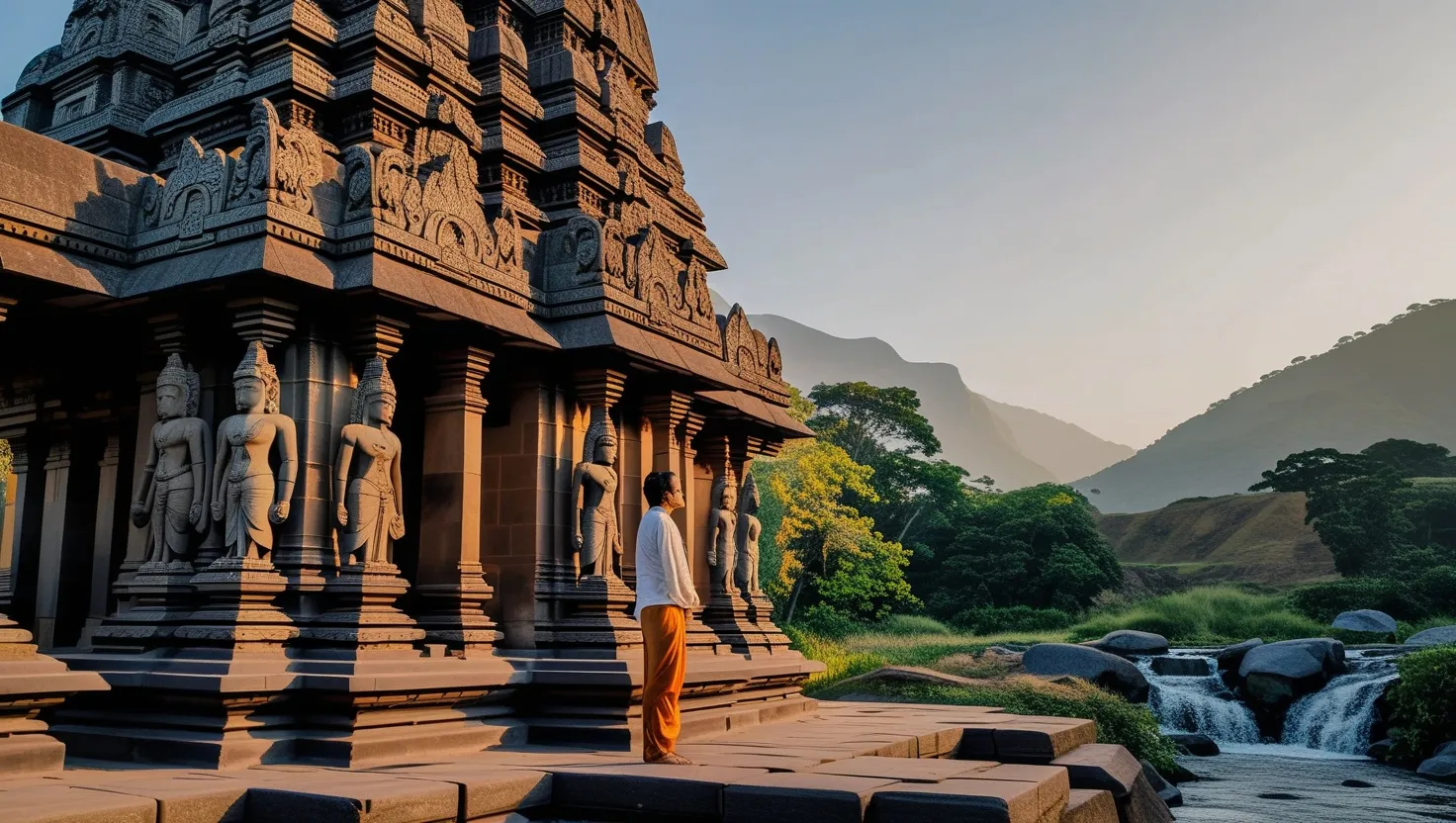
Hindu rituals are quite elaborate and play a big role in maintaining dharma and moving closer to moksha. Daily puja (prayer), worshiping deities, and celebrating various festivals are common practices. While the caste system influences societal roles and duties, the ultimate goal for everyone is living in harmony with the natural order.
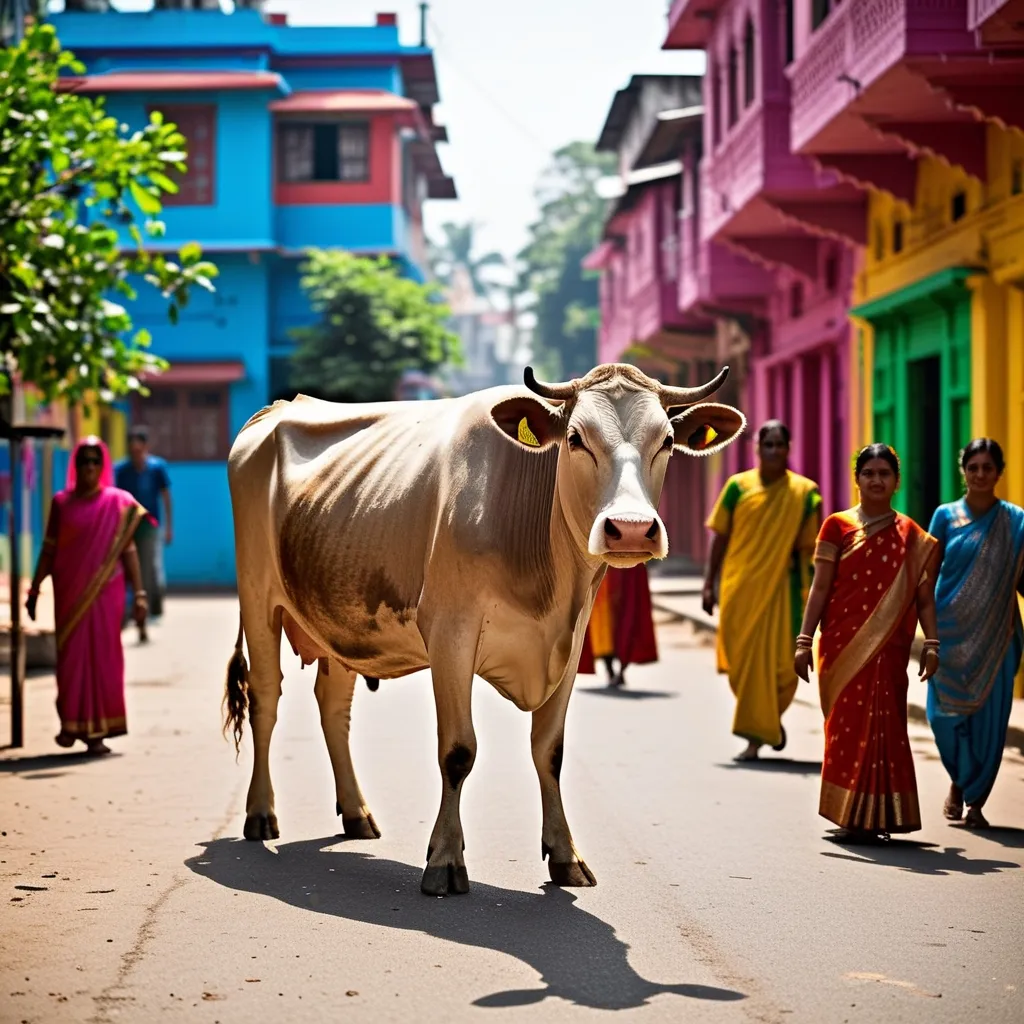
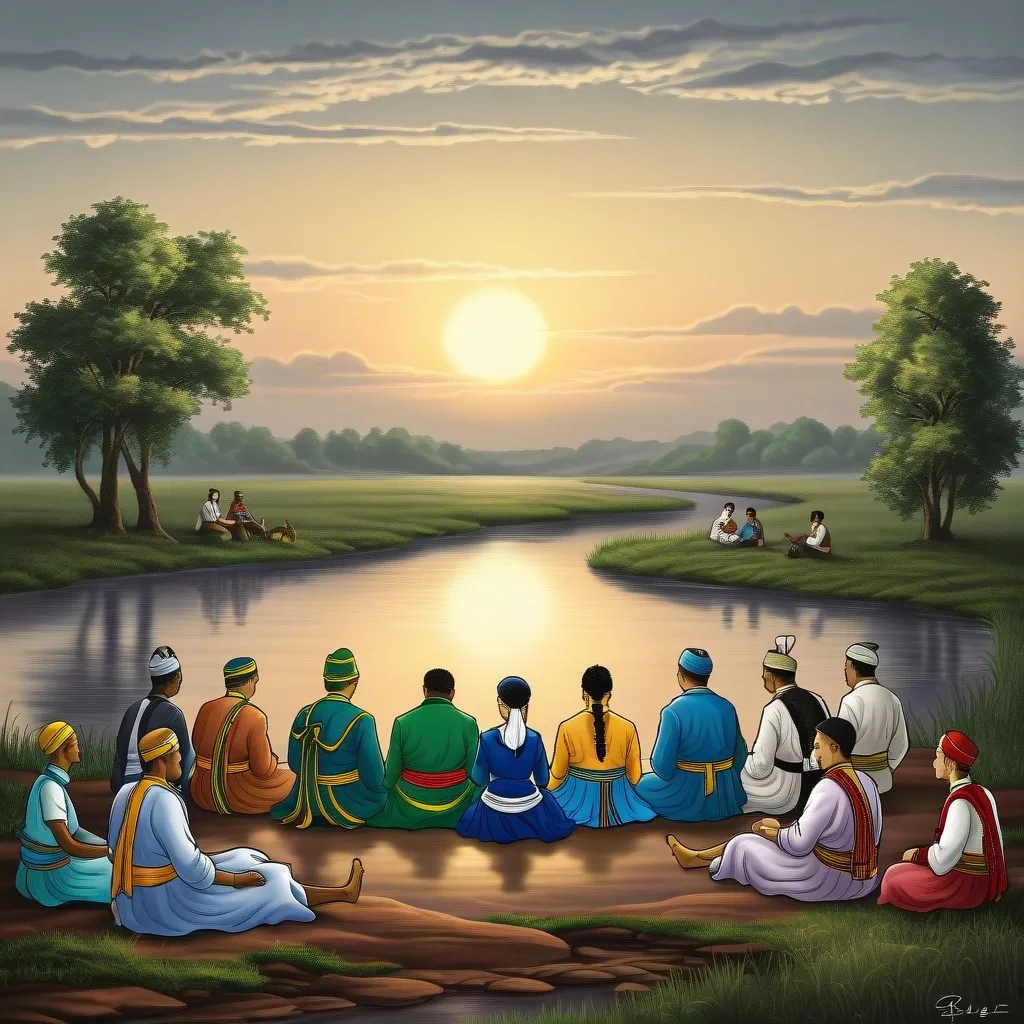
Gratitude and respect are fundamental in Hinduism. It’s not just gods who are worshiped, but natural elements like the sun, moon, and animals too. This deep-rooted respect stems from the belief in life’s interconnectedness. For example, the morning sun is worshiped as a symbol of life and energy, showcasing the profound connection with nature.
In Hinduism, death is seen as a transition rather than an end. The soul is considered immortal, continuing its journey through different forms. Karma plays a crucial role here, determining the soul’s next birth based on past deeds. This belief in reincarnation gives Hindus a unique perspective on death, viewing it as an ongoing cycle.
Hindu mythology is packed with symbolism and carries profound messages about life. These tales often revolve around the battle between good and evil, the importance of duty, and the ultimate triumph of virtue. Understanding these myths is key to grasping Hinduism’s essence.
Despite its origins in India, Hinduism has spread across the globe. In places like Southeast Asia, it has had a significant presence for over a thousand years. Today, Hindus are found in many countries, each adding their unique cultural and regional flavors to the religion. This diversity only adds to Hinduism’s vibrant and dynamic nature.
Hinduism offers a complex yet enriching collection of beliefs and practices. From ancient roots to contemporary followers, it continues to inspire people towards a life guided by dharma and the pursuit of moksha. Whether through rituals, devotion, or the quest for knowledge, Hindus strive to live harmoniously with the world and seek liberation from the cycle of birth and death.