In Hinduism, there’s this super interesting idea called Lila, which means “divine play”. It’s all about understanding the universe and life as something not created out of necessity but out of a playful, spontaneous act by the divine.
The word Lila translates to “play” or “sport,” but it’s more profound than mere fun. It’s this joyful, creative act, free from any motives. This idea pops up in different Hindu philosophies, whether they are non-dualist or dualist.
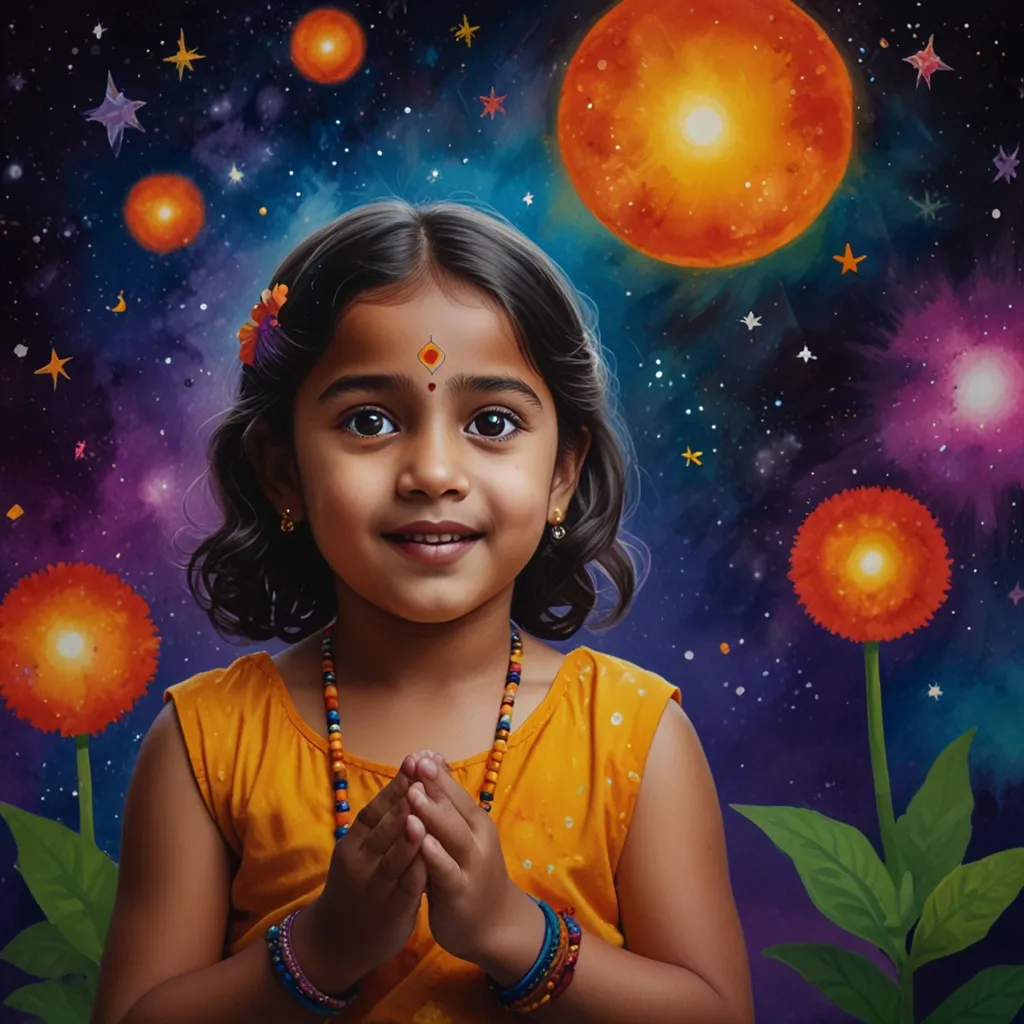
In non-dualist philosophies, Lila symbolizes the playful creativity of the ultimate reality, Brahman. Imagine it like a child playing without any reason, purely for joy. The whole cosmos is seen as Brahman’s playful creativity.
On the flip side, in dualist traditions like Vaishnavism, Lila represents the actions of God and the devotee, and the cosmic interactions in the universe. Here, divine play is about the dynamic relationship between the divine and humans, often guiding and teaching humanity through various forms of play.
But Lila isn’t just some lofty concept. It’s got real-life takeaways. Seeing life as divine play can make us more joyful and accepting of life’s ups and downs. It encourages a playful and detached attitude, making us see life less seriously.
Think about it like a child playing with a dollhouse. The child is the creator, directing the play with no real-world stakes. Similarly, Brahman is the creator and director of the universe, with all beings participating in this grand play.
This ties closely with Maya, often termed as “illusion.” But in the Lila context, Maya doesn’t mean the world is fake. It means our view of the world is limited. Viewing the world through the lens of Lila, we see everything as part of the divine play.
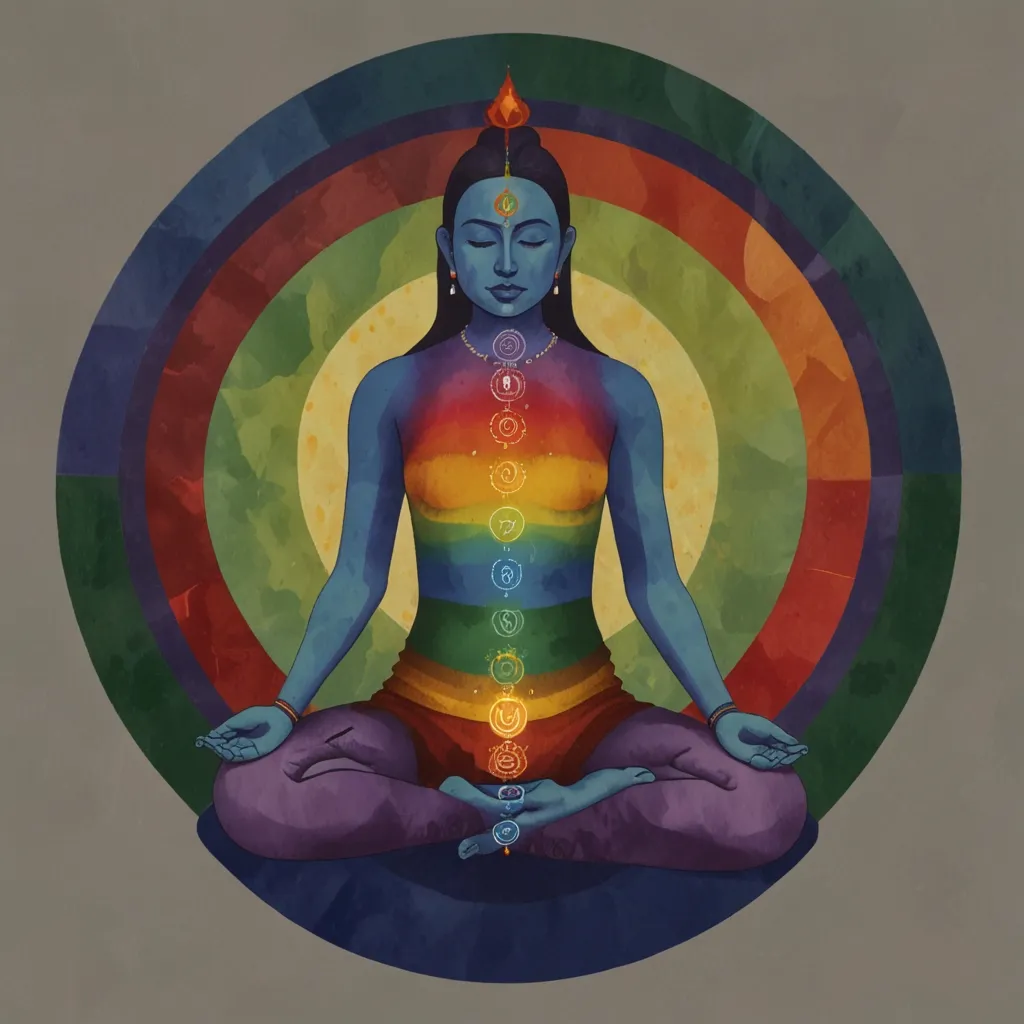
In spiritual practices, understanding Lila can improve meditation and mindfulness. It promotes a chill, spontaneous approach to life instead of a strict, serious one. Think about how relaxed people are when asked to sing versus meditating seriously. This playful approach is crucial for spiritual growth, letting us engage more joyfully with life.
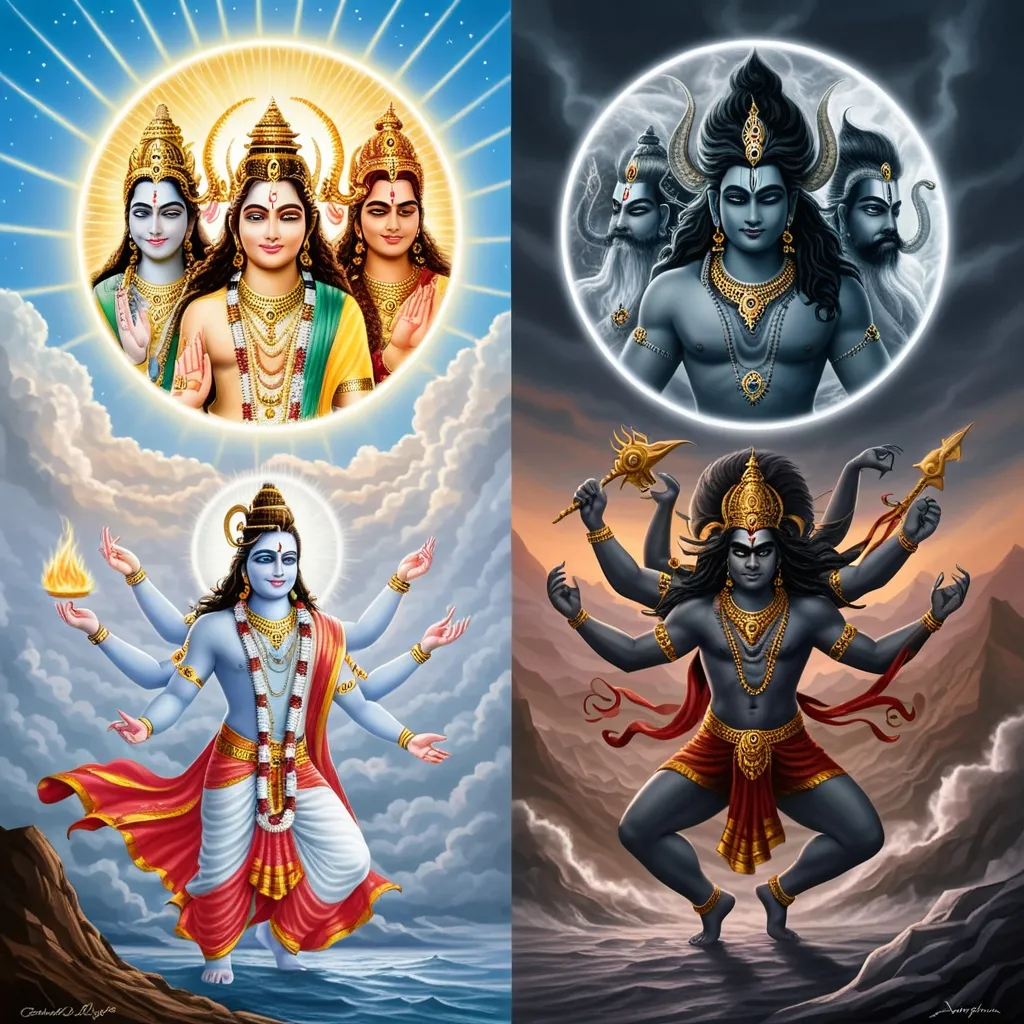
The idea of Lila isn’t confined to spirituality; it weaves into cultural and artistic expressions. Hindu mythology often portrays the world as a stage where the divine actor performs, endlessly creating and recreating the universe.
So, in a nutshell, Lila is an inspiring concept urging us to see life as part of a grand, divine play. It invites us to live joyfully and playfully with a sense of wonder, realizing everything around us is a manifestation of the divine’s creativity.