Karma is one of those intriguing ideas that has been around for ages, particularly in Hinduism and Buddhism. It’s all about the belief that our actions, thoughts, and intentions have consequences – not just in the here and now, but also in future lives. This belief nudges people to live morally and do good deeds, with the understanding that good stuff leads to good results and bad deeds bring bad outcomes.
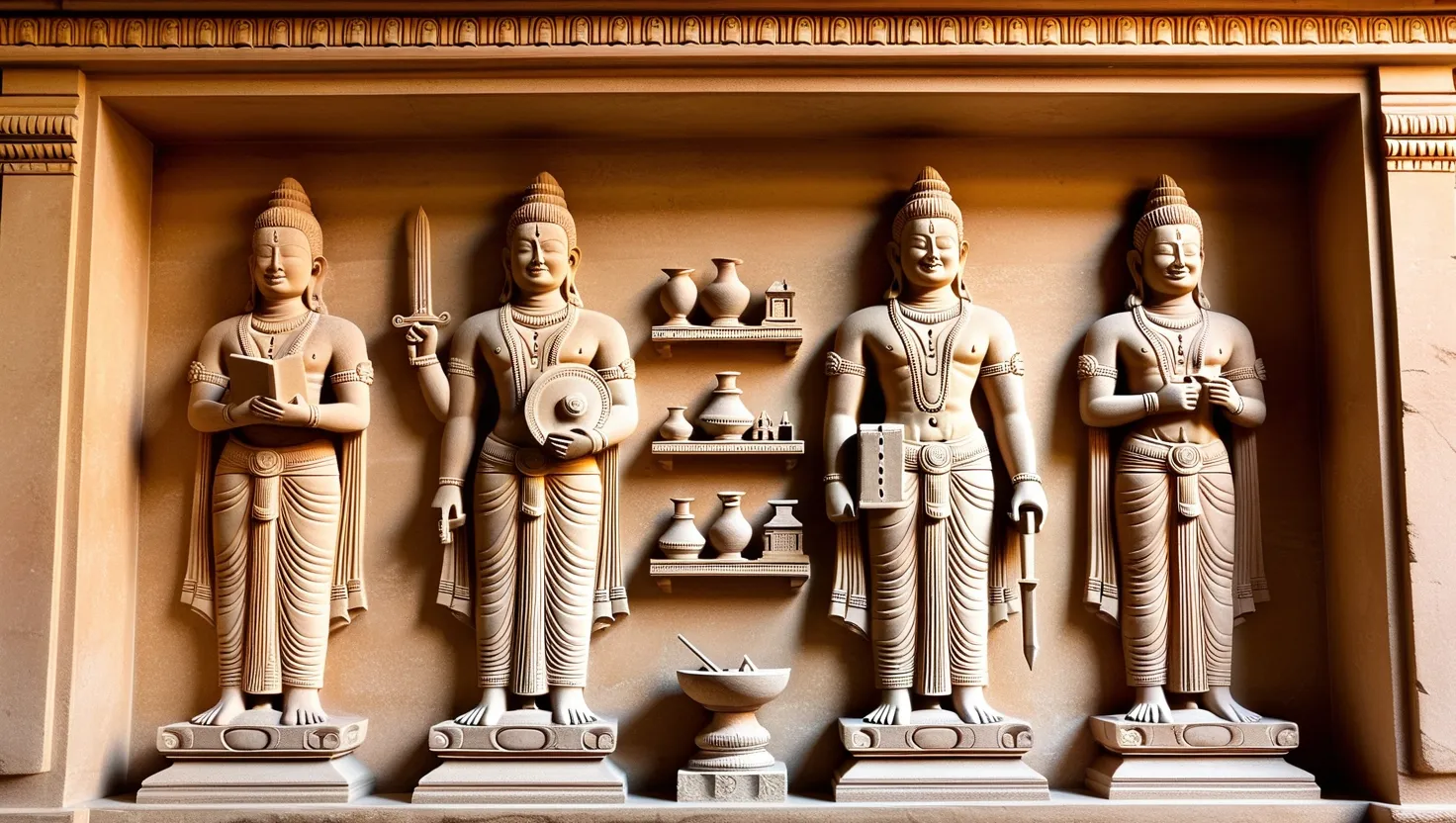
In Hinduism, karma is closely connected to the cycle of birth, death, and rebirth, known as samsara. The karma we rack up in one life pretty much sets the stage for the next one. The ultimate goal? Achieving moksha, which is liberation from this endless cycle. By building up good karma and reaching spiritual enlightenment, one can break free from it.
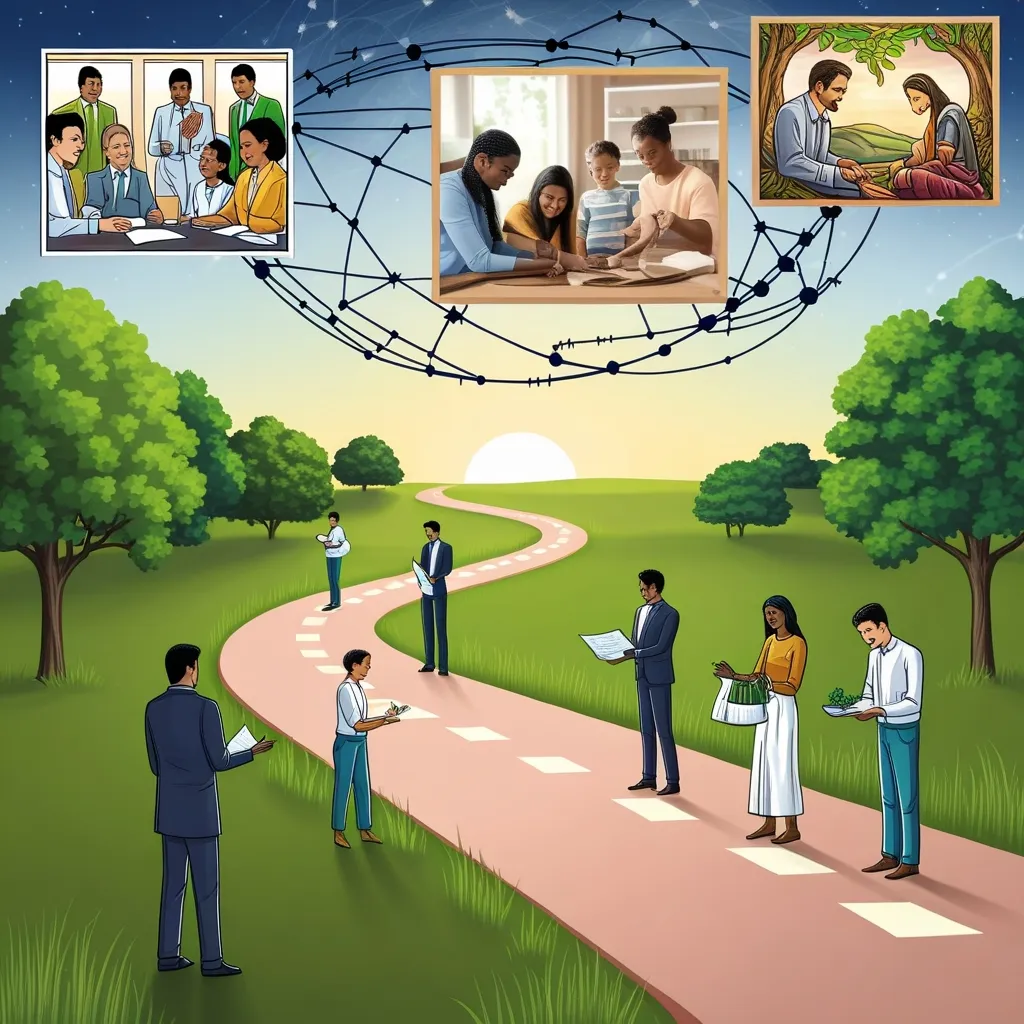
Karma isn’t just about individuals; it’s also about the collective actions of society as a whole. It highlights the importance of living a dharma-filled life, which means sticking to moral principles and fulfilling your duties. This collective good is believed to create a peaceful and fair society.
In the West, karma often gets misunderstood. People tend to use it to explain immediate paybacks, like when someone does something bad and something bad happens to them soon after. But really, karma is about the long-term effects of your actions and the moral responsibility behind them.
Karma can be comforting yet challenging. It gives a sense of justice and moral order, but it also makes one ponder about free will and life’s fairness. For example, why do innocent people suffer? Is it due to bad karma from past lives, or is something else going on?
Despite these questions, karma remains a potent tool for personal growth and ethical living. It makes people think about how their actions affect others. By aiming to do good and avoid harm, one can find a deeper sense of purpose and meaning in life.
In everyday life, karma shows up in many ways. Helping someone in need usually makes you feel good, while harming someone might leave you feeling guilty. These emotions are the straightforward reflections of the karma you’re creating.
Karma also shapes how we see our own situations. Instead of blaming fate for our problems, we can view them as chances to learn and grow. This outlook helps us take responsibility for our actions and strive for positive change.
Believing in karma can be comforting during tough times, too. It suggests that our current circumstances are the results of past actions and that we have the power to change our future by making better choices now. This belief can fuel hope and resilience when facing challenges.
All in all, karma is a complex yet rich concept that offers insights into morality, justice, and personal growth. While it might be hard to fully grasp, it’s a compelling guide for living a virtuous and meaningful life.