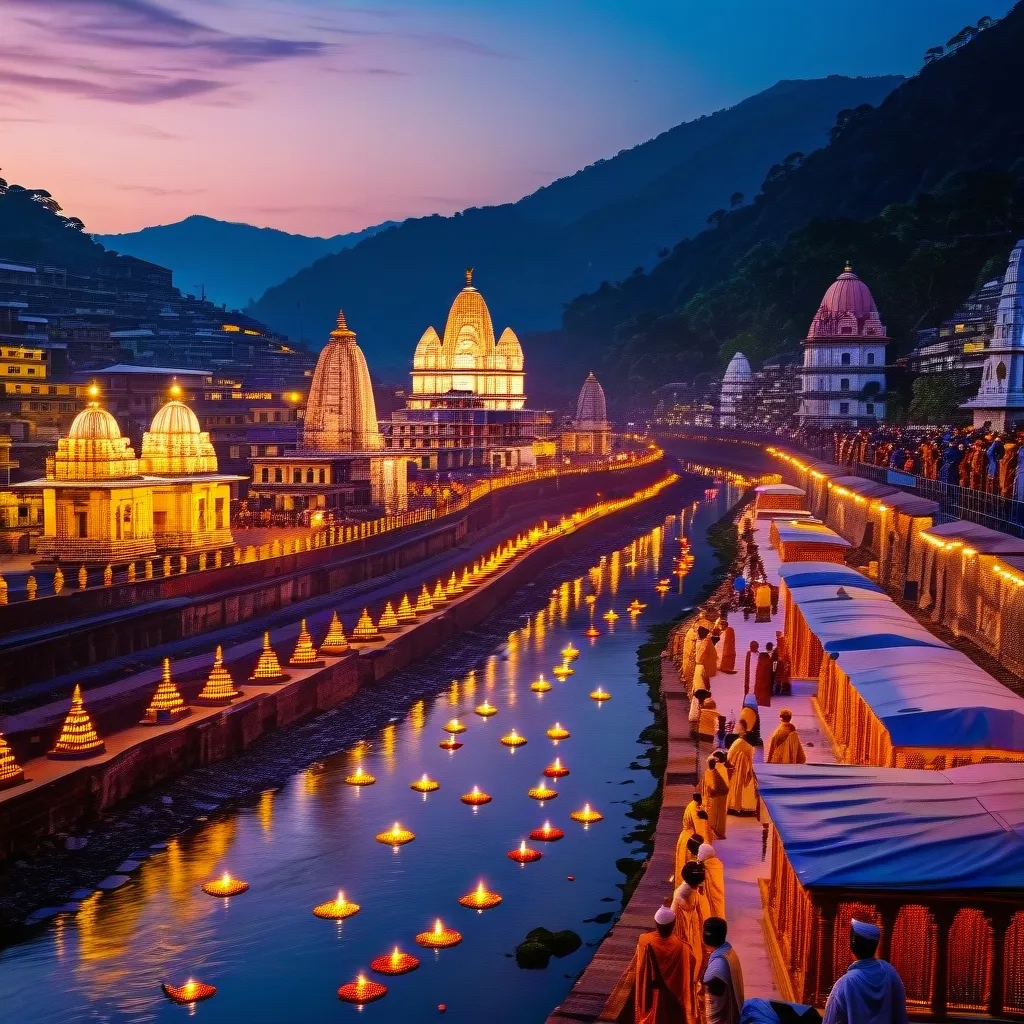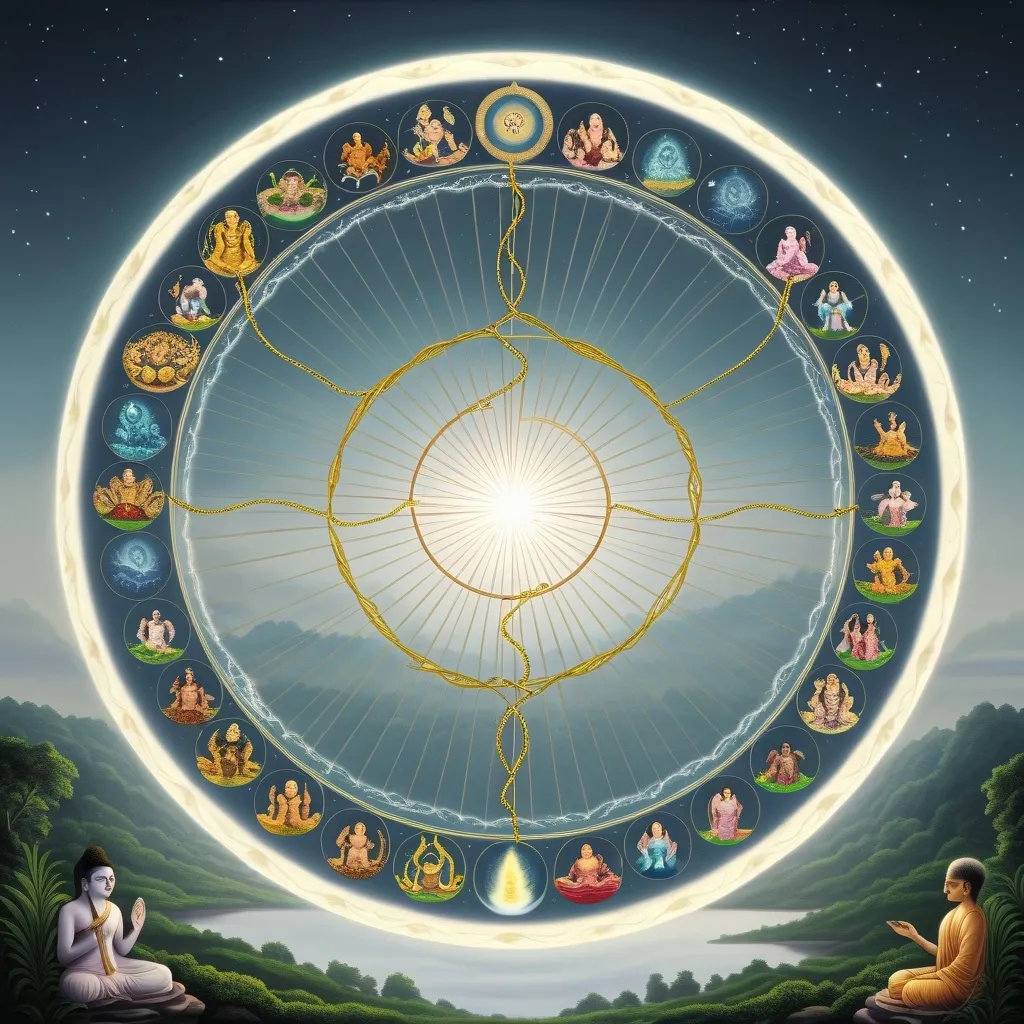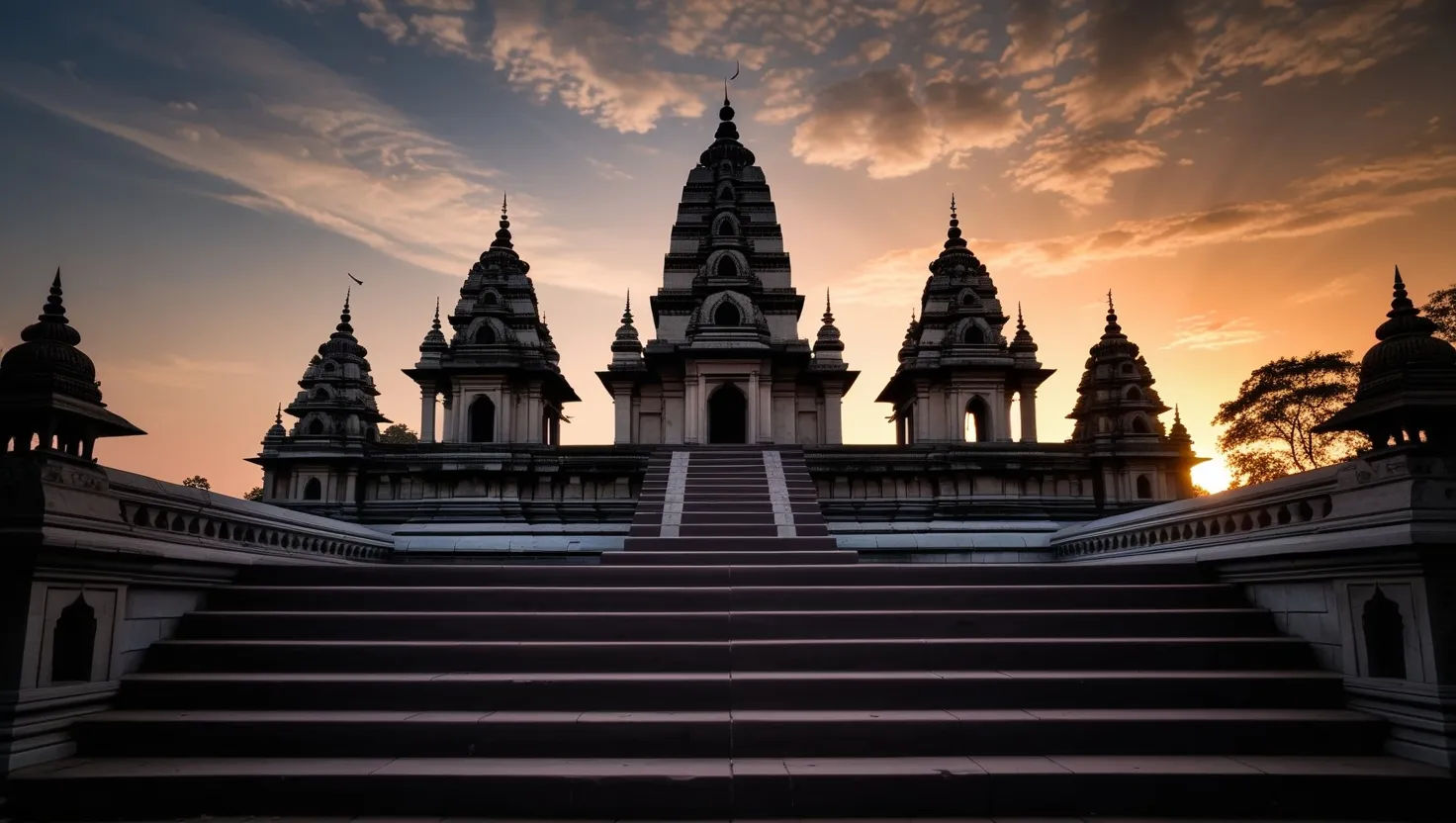
The journey of Hindu temple architecture is a testament to the enduring power of spiritual expression through physical form. As I explore this fascinating evolution, I’m struck by how these sacred structures have adapted and flourished over millennia, becoming living embodiments of Hindu philosophy and cosmology.
The roots of temple architecture stretch back to ancient times, when simple outdoor altars served as focal points for worship. These humble beginnings laid the foundation for what would become some of the most awe-inspiring architectural marvels in human history. As Hindu thought developed and became more complex, so too did the physical spaces dedicated to the divine.
One of the most intriguing aspects of Hindu temples is how they translate abstract concepts into tangible form. The garbhagriha, or inner sanctum, represents the womb of the universe - a place of pure potential where the deity resides. As I stand in these sacred chambers, I can almost feel the weight of cosmic significance pressing in from all sides. It’s a powerful reminder that these are not mere buildings, but portals to the divine.
“The temple is not a building, it is a living organism. It grows, it breathes, it speaks.” - Swami Vivekananda
This quote captures the essence of what makes Hindu temples so unique. They are not static monuments, but dynamic spaces that evolve and adapt over time. Each element of the temple’s design serves a specific purpose, creating a harmonious whole that mirrors the structure of the universe itself.
As Hinduism spread across the Indian subcontinent, distinct regional styles began to emerge. The towering shikhara of northern Nagara temples reach towards the heavens like beehives of divine energy. In contrast, the stepped pyramids of southern Dravidian temples create a sense of ascending levels of consciousness. And in central India, the Vesara style blends these approaches into something entirely new.
What’s your favorite regional temple style, and why does it resonate with you?
One of the lesser-known aspects of temple design is the use of sacred geometry based on ancient texts like the Vastu Shastra. These mathematical principles ensure that every aspect of the temple’s construction aligns with cosmic order. From the foundation to the pinnacle, precise proportional relationships create a sense of harmony and balance. It’s fascinating to think that these ancient architects were essentially creating physical manifestations of universal laws.
The artistic elements of Hindu temples are equally important in conveying spiritual truths. Intricate carvings and sculptures transform temple walls into living textbooks of mythology, philosophy, and everyday life. As I run my hands over these ancient stone surfaces, I can almost hear the stories they tell - tales of gods and goddesses, of cosmic battles and profound wisdom.
“A temple is a miniature universe, where the devotee can experience the entire cosmos in a single glance.” - Dr. Kapila Vatsyayan
This quote beautifully encapsulates the holistic nature of Hindu temple design. Every element works together to create a microcosm of the universe, allowing worshippers to connect with the divine on multiple levels.
What aspect of temple art or architecture speaks to you most deeply?
As we move into the modern era, Hindu temple architecture continues to evolve while staying true to its spiritual roots. New materials and construction techniques allow for bold reinterpretations of ancient forms. I’ve seen temples with soaring glass domes and sleek marble surfaces that somehow manage to capture the same sense of timelessness as their ancient counterparts.
This ability to adapt while maintaining core principles is one of the most remarkable aspects of Hindu temple architecture. It demonstrates the living, breathing nature of this tradition - one that continues to inspire and uplift millions of people around the world.
As I reflect on the journey of Hindu temples from simple shrines to complex cosmic maps, I’m filled with a sense of wonder at human creativity and spiritual yearning. These sacred spaces serve as bridges between the earthly and the divine, transforming abstract philosophy into tangible, experiential wisdom.
“In the temple, time is suspended. We enter eternity.” - Mata Amritanandamayi
This quote captures the transcendent quality of Hindu temples. They are places where the boundaries between past, present, and future blur, allowing us to touch something timeless and infinite.
What does entering a Hindu temple feel like for you? How does it change your perception of time and space?
The evolution of Hindu temple architecture is far from over. As new generations of architects and devotees bring their own insights and experiences to this ancient tradition, we can expect to see even more innovative expressions of spiritual truth through physical form. Yet at its core, the Hindu temple will always remain a sacred space where the human and the divine meet - a place of transformation, inspiration, and profound connection to the mysteries of existence.