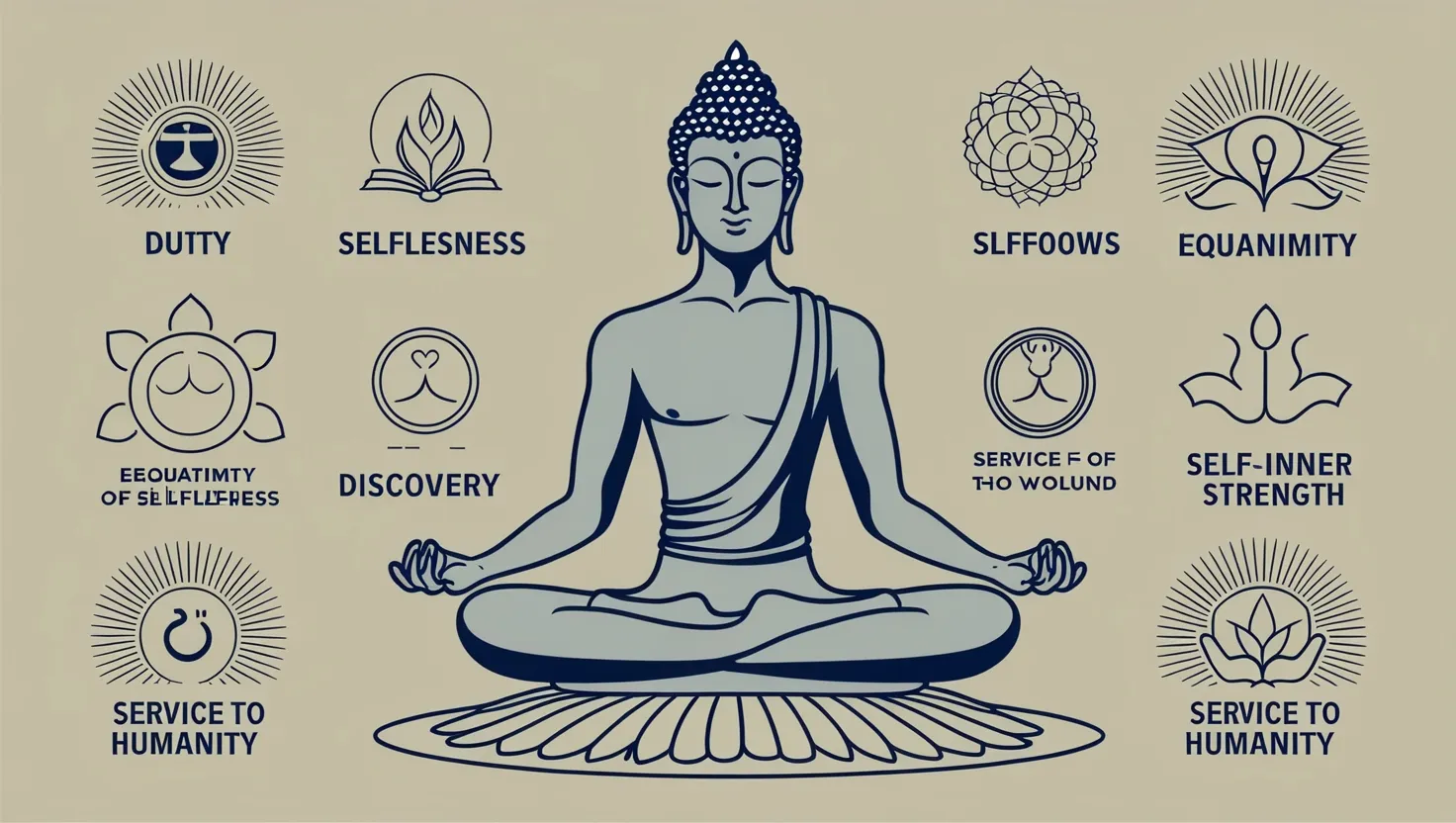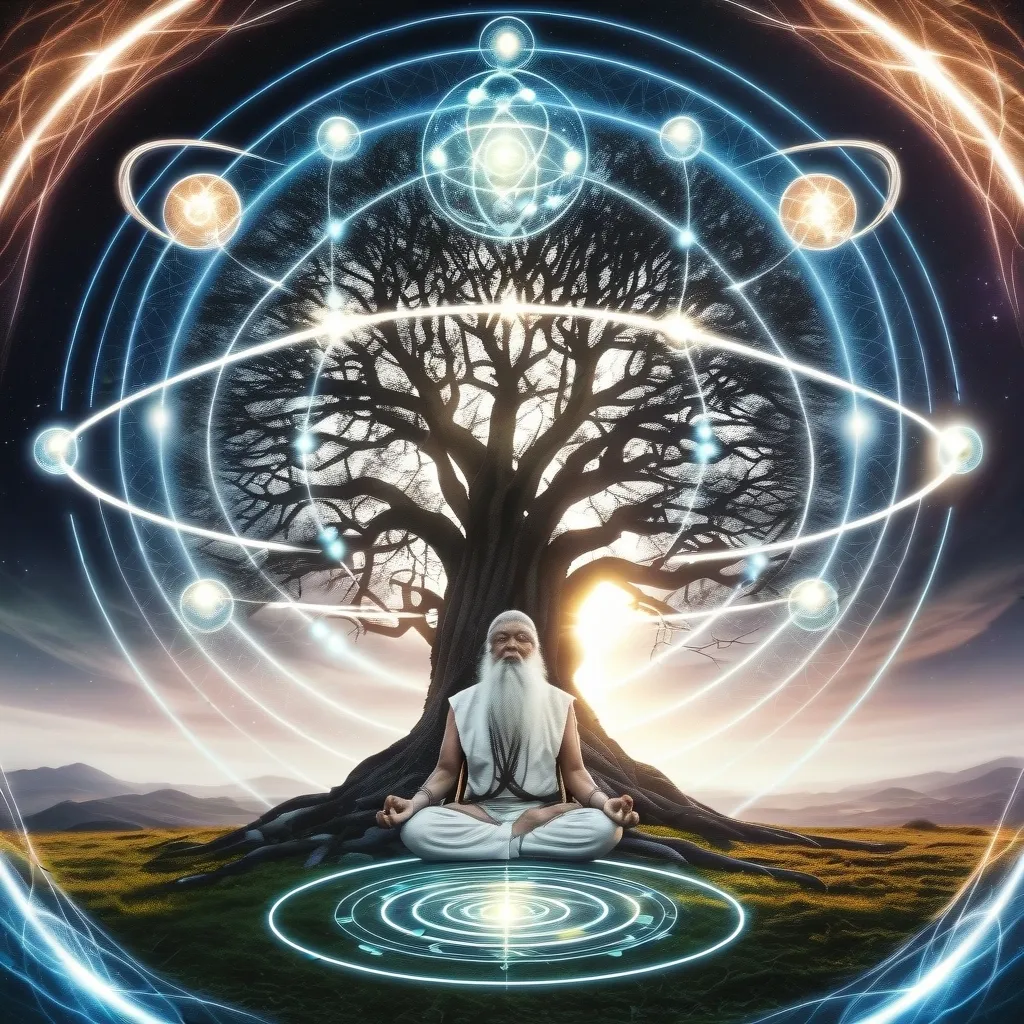
In the sprawling landscape of Hinduism, there’s a unique tradition that’s as ancient as it is profound called Sannyasa. It’s more than just a lifestyle choice; it’s a spiritual journey aimed at reaching liberation, or Moksha, to break free from the eternal cycle of birth and death. You see, life in Hinduism is divided into four Ashramas or stages, and Sannyasa is the fourth. It’s the final act following Brahmacharya (student life), Grihastha (householder life), and Vanaprastha (retirement).
Sannyasa often gets mistaken for asceticism, but it’s not about punishing oneself. Instead, it’s a journey towards simplicity, a life of owning less and focusing deeply on spiritual matters. The word “Sannyasa” itself means to “throw down” or “abandon,” pointing to letting go of worldly cravings and ties. It’s about shifting focus from the transient to the eternal, more of a fulfillment than a denial of life.
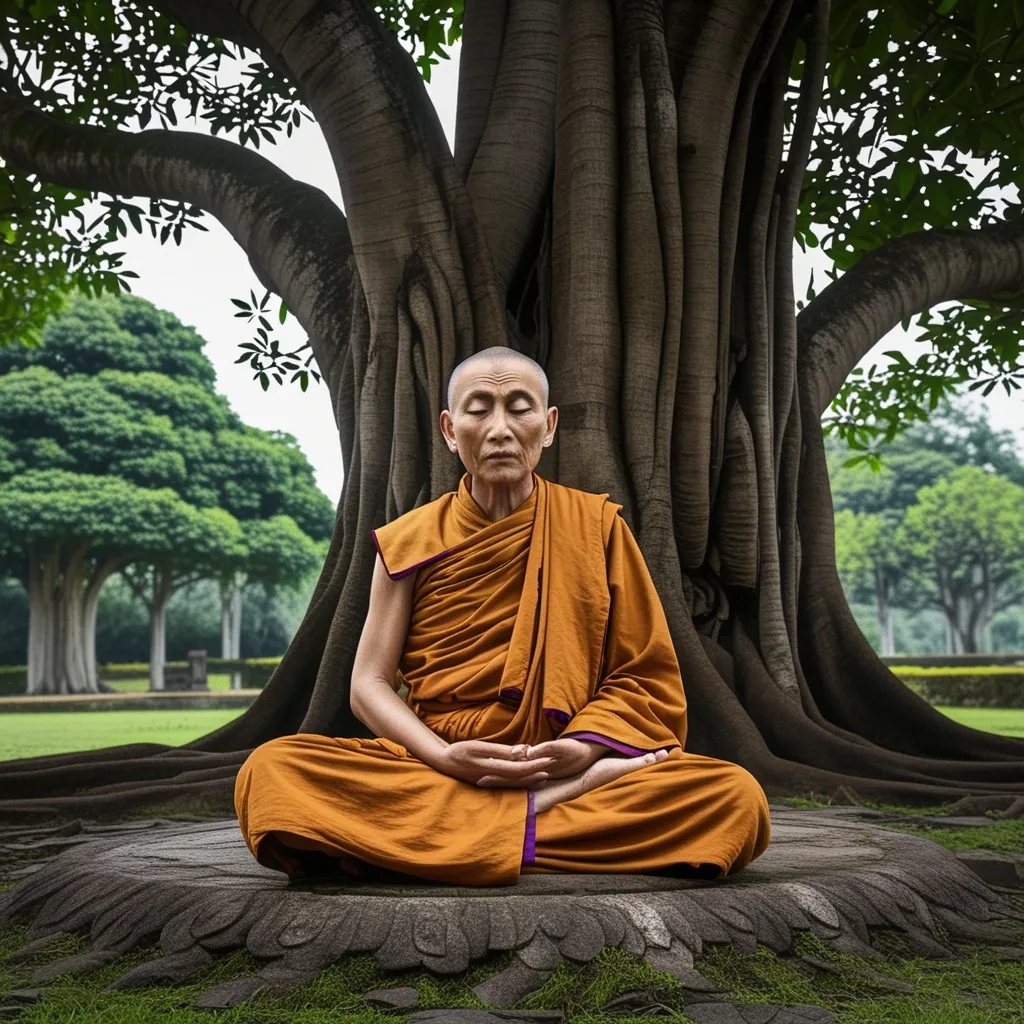
Once someone decides to become a Sannyasi, a life renunciation becomes their reality. With the initiation from a guru, a Sannyasi steps away from ordinary life and dedicates themself to spiritual pursuits. It’s not about doing nothing—quite the opposite—it’s about engaging in activities that are meaningful and selfless. With rigorous discipline, the Sannyasi meditates, practices austerity, and purges from the body, mind, and emotions anything that binds them to the world.
The paramount aim for a Sannyasi is to attain liberation, and this means different things depending on whom you ask. Some view it as eternal service to the Divine, while others see it as achieving the highest meditative state or realizing the Self’s unity with Brahman in this very life. At the heart of Sannyasi life lies detachment—a detachment that isn’t about ignoring responsibilities but developing a profound internal devotion where worldly things lose their allure.
Central to this journey is the guru, a spiritual guide who must themselves be a Sannyasi, ensuring that mentorship is enriched by firsthand wisdom and experience. Such a bond is sacred and vital, for the guru initiates the seeker into the path of renunciation and walks alongside them in their spiritual pilgrimage.
Historically, Sannyasis were usually those who had lived through life’s responsibilities and were ready for a life of spiritual dedication. Yet, over time, younger aspirants too have often jumped straight into Sannyasa, taking on roles that have sometimes extended to protecting communities during difficult times.
A typical day for a Sannyasi is quite grounded, filled with meditation, study, and minimalism. The focus is on spiritual growth more than comfort or possession, living in tune with one’s soul path and paving the way for ultimate liberation from the repetitive cycles of birth and rebirth.
Sannyasa has its roots in the ancient scriptures like the Upanishads, which expound this path as a way to deep spiritual wisdom and liberation. The Mundaka Upanishad, for instance, showcases Sannyasa as a means to experience deep spiritual insights and freedom from mundane life’s ensnaring cycle.
In today’s fast-paced world, even embracing just some principles from Sannyasa can be life-changing. It’s about placing spiritual growth above material success and choosing simplicity over complication. By opting for a life with fewer belongings, fostering peace with nature, and cherishing inner harmony, one can embark on a journey aligned with ancient wisdom. This lifestyle choice isn’t just about living minimally but with intention, ensuring every action is permeated with awareness and a nod to one’s spiritual essence.
Sannyasa isn’t merely a lifestyle choice; it’s a significant spiritual sojourn. It’s a trail that beckons with discipline, detachment, and dedication to spiritual endeavors. The life of a Sannyasi promises a landscape of minimalism, simplicity, and profound spiritual exploration, ultimately leading to liberation and enlightenment. In a world increasingly bound by materialism, the age-old wisdom of Sannyasa offers a beacon, guiding towards a more profound and meaningful existence.