Understanding the cycle of life, death, and rebirth—known as Samsara—presents a captivating journey through the philosophies of Hinduism and Buddhism. At its heart, Samsara isn’t just about endlessly spinning on a cosmic Ferris wheel; it dives deep into the essence of existence, karma, and ultimately, liberation.
Let’s begin with the notion of the soul’s journey, particularly from a Hindu perspective. Life, as per this belief, is much like a never-ending road trip for the Atman, or the eternal self. Though our mortal bodies are merely vehicles that wear out over time, the Atman is like the seasoned driver—everlasting and brimming with potential. Each lifetime is an opportunity for the Atman to collect karma points, and how you play your cards (good versus bad actions) directly influences the conditions of your next ride.
Switching gears to Buddhism, Samsara is often portrayed as the “suffering-laden cycle” with no start or finish line. You’re caught in a loop dictated by ignorance and insatiable cravings. Beings weave through six realms, like levels in an eternal arcade game, ranging from heavenly settings to rather grim domains—think animals, ghosts, and hellish worlds—all based on karma, which is the scoreboard of sorts.
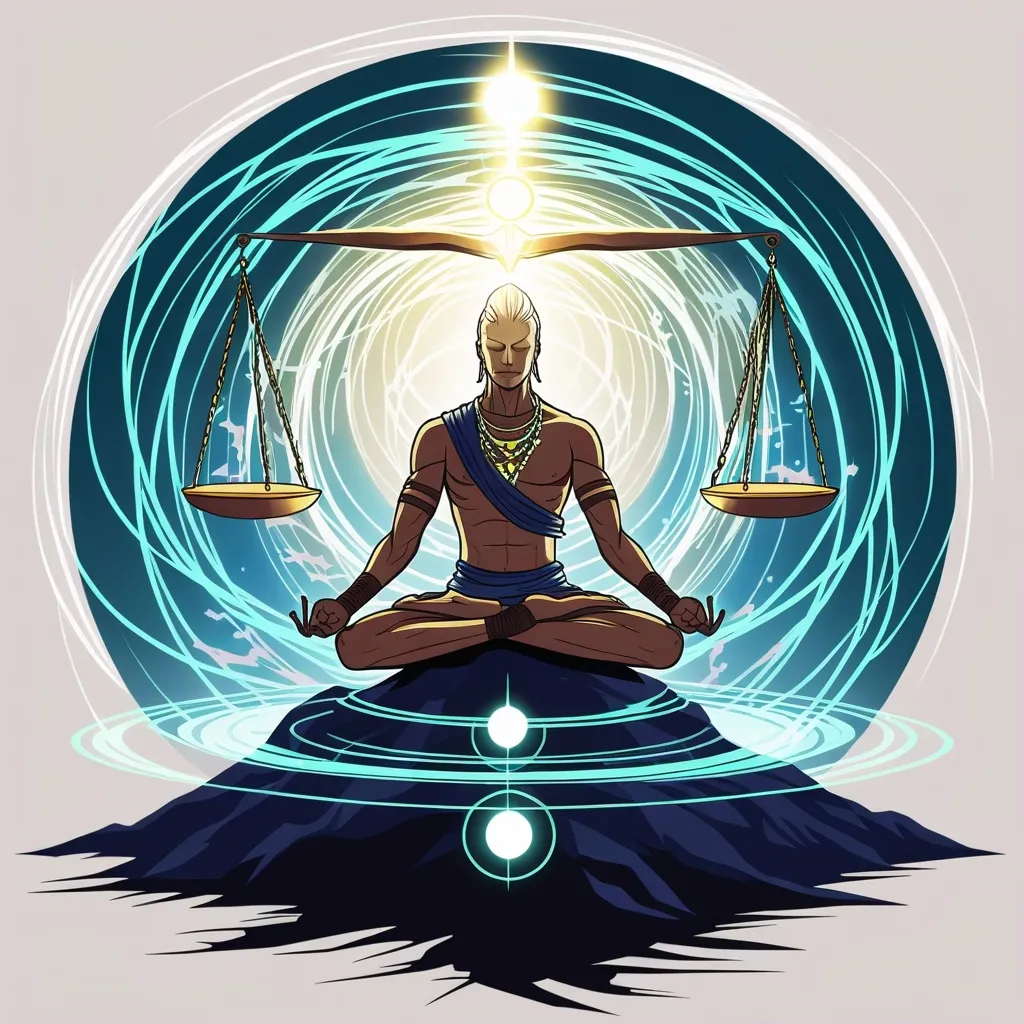
Karma, oh karma! It’s the cosmic accountant that keeps a balance sheet for everyone. Both Hindus and Buddhists see karma as the backbone of universal justice. Whether your actions are Saturday-morning-cartoon hero good or comic-book-villain bad, karma keeps tabs, ensuring the universe runs without missing a beat—no judgment, just consequences.
And then there’s suffering tagged with the not-so-catchy name “dukkha” in Buddhism. Imagine living in a world where everything is a tiny bit off—a chair always has a loose screw, socks never match, it’s life tugging at you with discomforts. It’s the big reminder that existence is imperfect across all realms. Hinduism, while not shining a giant spotlight on suffering, still sees Samsara as a repetitive, sometimes challenging cycle that one longs to escape from.
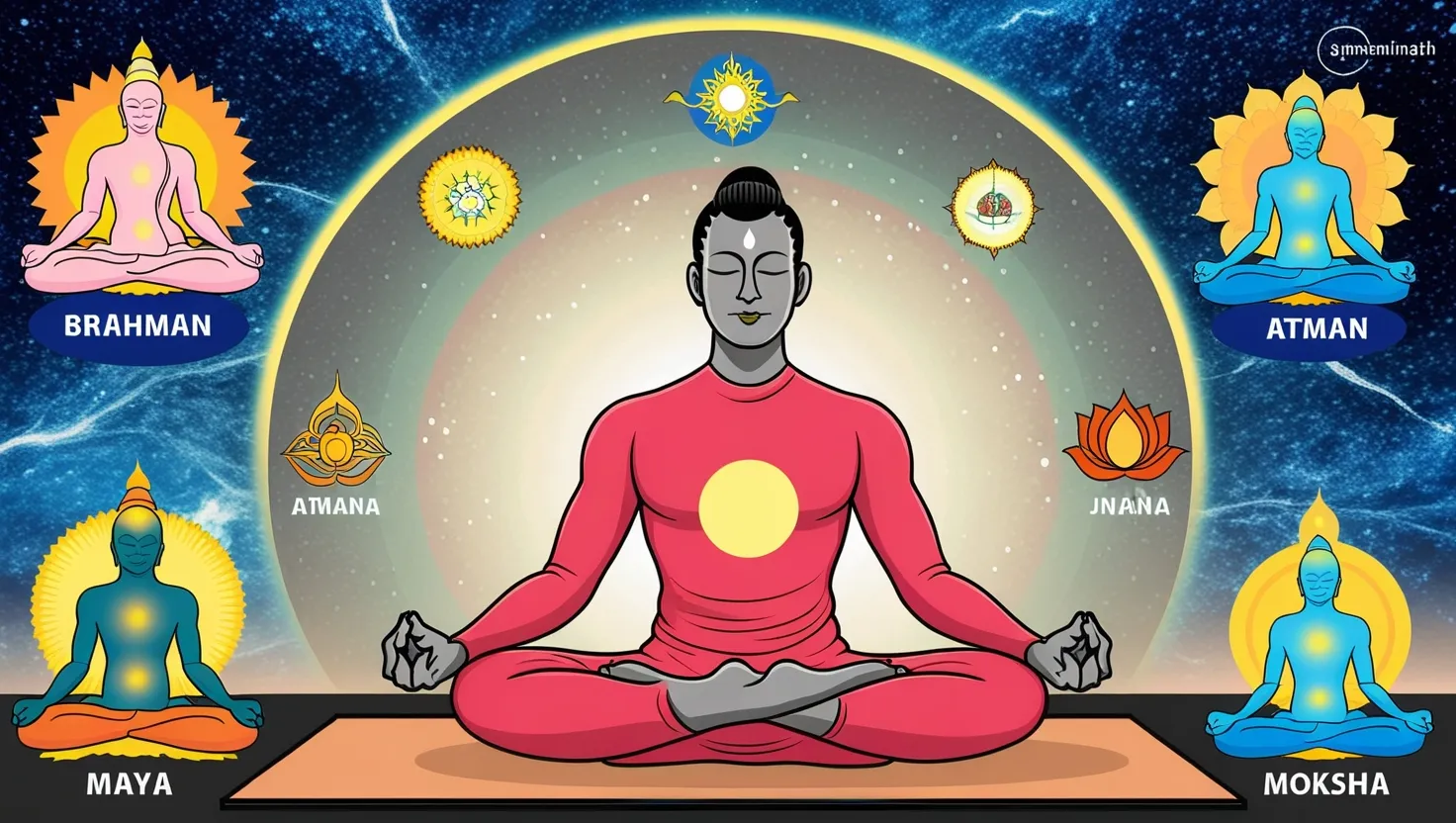
Now, zooming in on the ultimate escape plan. Liberation is the grand prize in both traditions, albeit under different banners—Moksha for Hindus and Nirvana for Buddhists. Reaching Moksha is akin to a soul merging with Brahman, or the universal self, a union achieved through paths like meditation or devoted actions. Meanwhile, Nirvana is all about extinguishing the fires of desire and craving, a peace reached through the Eightfold Path, guiding one from right understanding to right concentration. It’s the spiritual cleanse that detoxes the soul from Samsara’s chaotic grip.
Interestingly, Dharma plays a crucial supporting role in this cosmic playhouse. In Hindu life, adhering to one’s Dharma refers to fulfilling social and moral duties. By performing your role with integrity, you stack up positive karma, helping pave the path to a better reincarnation next time around.
On both sides, the paths to liberation, though varied, ultimately lead to the same cheerful finish—a break free from the wearying cycle of Samsara. The Upanishads in Hindu texts promote meditation and knowledge to bridge the Atman to Brahman, while the Buddhist Eightfold Path offers ethical and mental practices to transcend Samsara.
Behind the concept of Samsara lies the deeper philosophy of Atman and Brahman. Picture Atman as the individual soul and Brahman as the universe’s soul. The Upanishads teach that realizing Atman is simply a droplet of the vast ocean of Brahman—it’s key to liberation, breaking the chains of rebirth and suffering.
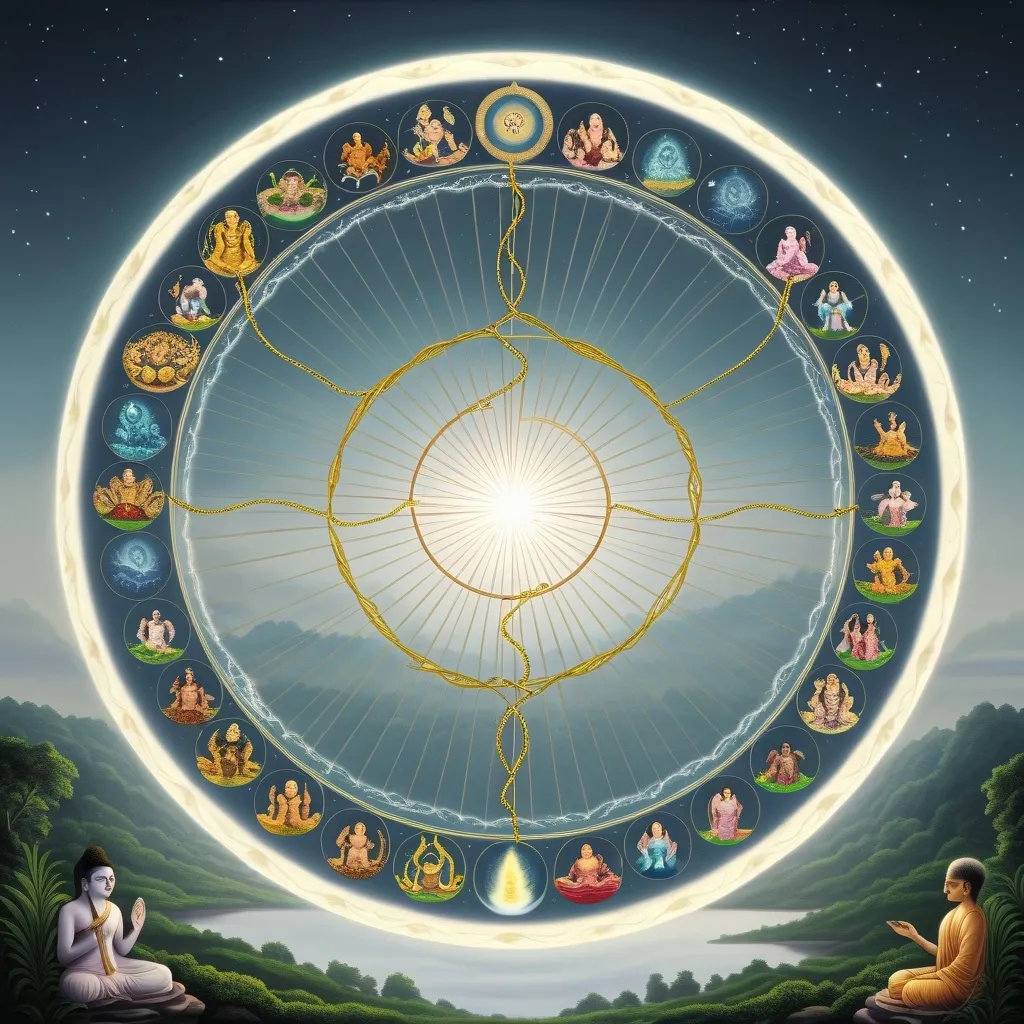
Think of Samsara as the Wheel of Existence, or Bhavacakra for fans of all things ancient and profound. It’s a vivid illustration of life’s realms, fueled by ignorance, desire, and karma, eternally spinning between birth, death, and rebirth.
In conclusion, Samsara stands as an intriguing and profound theme threading through the tapestry of Hinduism and Buddhism. It stresses karma’s pivotal role, the quest for liberation, and recognizing reality’s true nature. Whether striving for Moksha or Nirvana, the ultimate aim resonates the same—stepping off the wheel of Samsara and into a realm of absolute tranquility and freedom.
Navigating through the labyrinth of life, this cycle, though intricate, offers a deeply rewarding lens on human existence and spiritual journey. It reveals our interconnectedness with the universe, guiding each soul towards enlightenment and deeper self-awareness. The stories of the Atman, the dance of karma, and the allure of liberation provide an eternal compass, directing life’s voyage toward understanding the intricate, yet harmonious, design of existence.