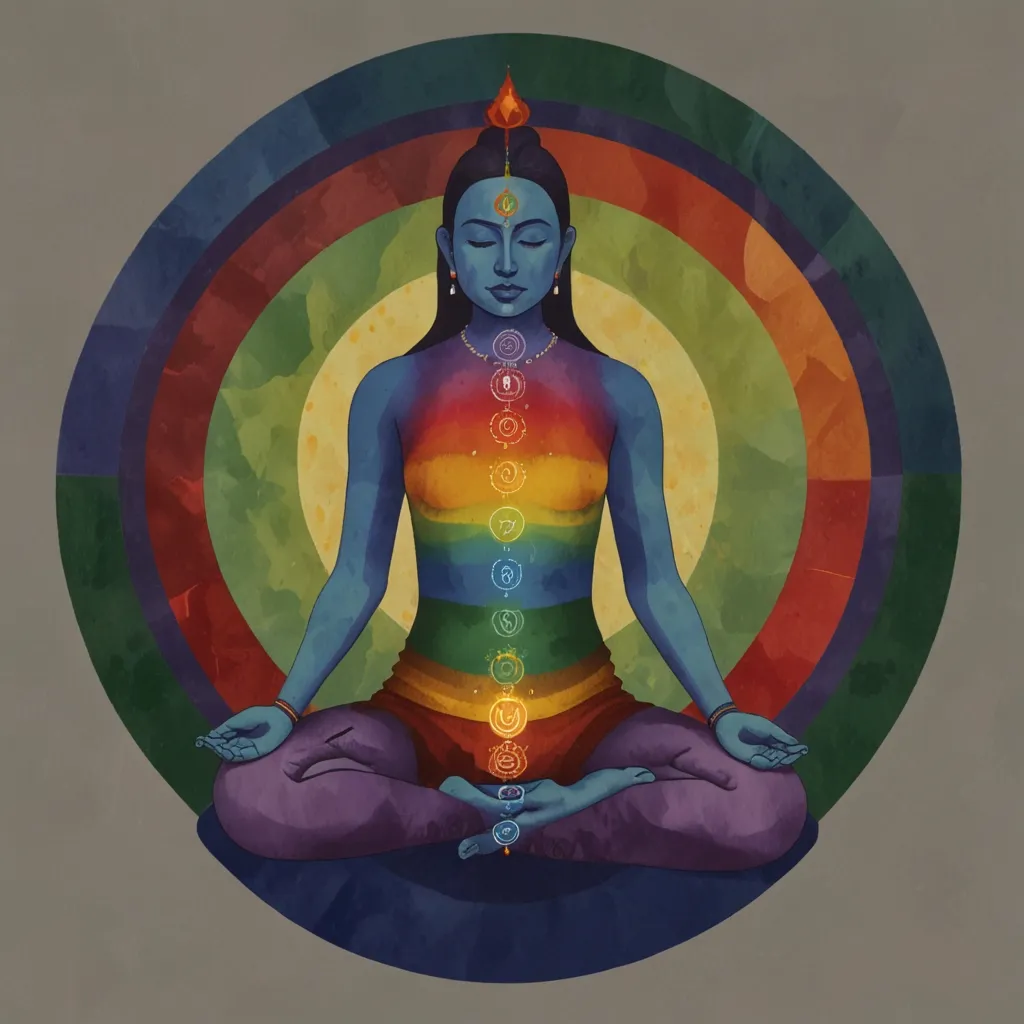
Sanatana Dharma, often translated to “eternal duty” or “eternal law,” isn’t just a fancy term floating around in Hindu philosophy. It’s a deeply rooted way of life that gently nudges people toward a bit more ethical, moral living. The principles aren’t bound by time or place but are timeless and universal, guiding human endeavors across different walks of life.
Now, let’s break it down. Sanatana Dharma paints a beautiful picture of eternal duties that everyone should honor, regardless of where you come from, your social class, or religious inclination. It’s a tapestry woven with the threads of honesty, kindness, mercy, patience, and all those other virtues that, let’s face it, sometimes feel a bit old-fashioned in today’s hustle.
Think of these principles as the universal glue keeping society in balance. They’re not confined to holy texts or traditions but are more like the natural laws governing life. It’s about living in harmony with the universe, something the ancients referred to as “Rta” in Vedic literature. This connection with broader cosmic order reminds us that we’re part of something larger than ourselves.
Sanatana Dharma prompts people to introspect on two kinds of duties: spiritual and material. Spiritual duties, dubbed Sanatana-dharma, focus on the identity as “atman” or the self, an intrinsic inclination to serve, be it to another person, the world, or something divine. It’s like an ongoing call to action that transcends worldly worries, nudging the “soul” to perform seva, or service, beyond one’s physical or societal roles.
Then, there are material duties or Varnashrama-dharma, tailored to one’s class, caste, and life stage. Imagine, for a warrior, there might be scenarios where actions clash with general norms like non-injury, but specific duties or “svadharma” must prevail. It’s not about breaking rules but understanding that duty has layers and nuances.
Dharma itself is one slippery term, often described as something integral to existence. Just like sugar’s natural state is sweet and fire’s is hot, a person’s dharma is made up of duties sustaining them based on their innate spiritual and material characteristics.
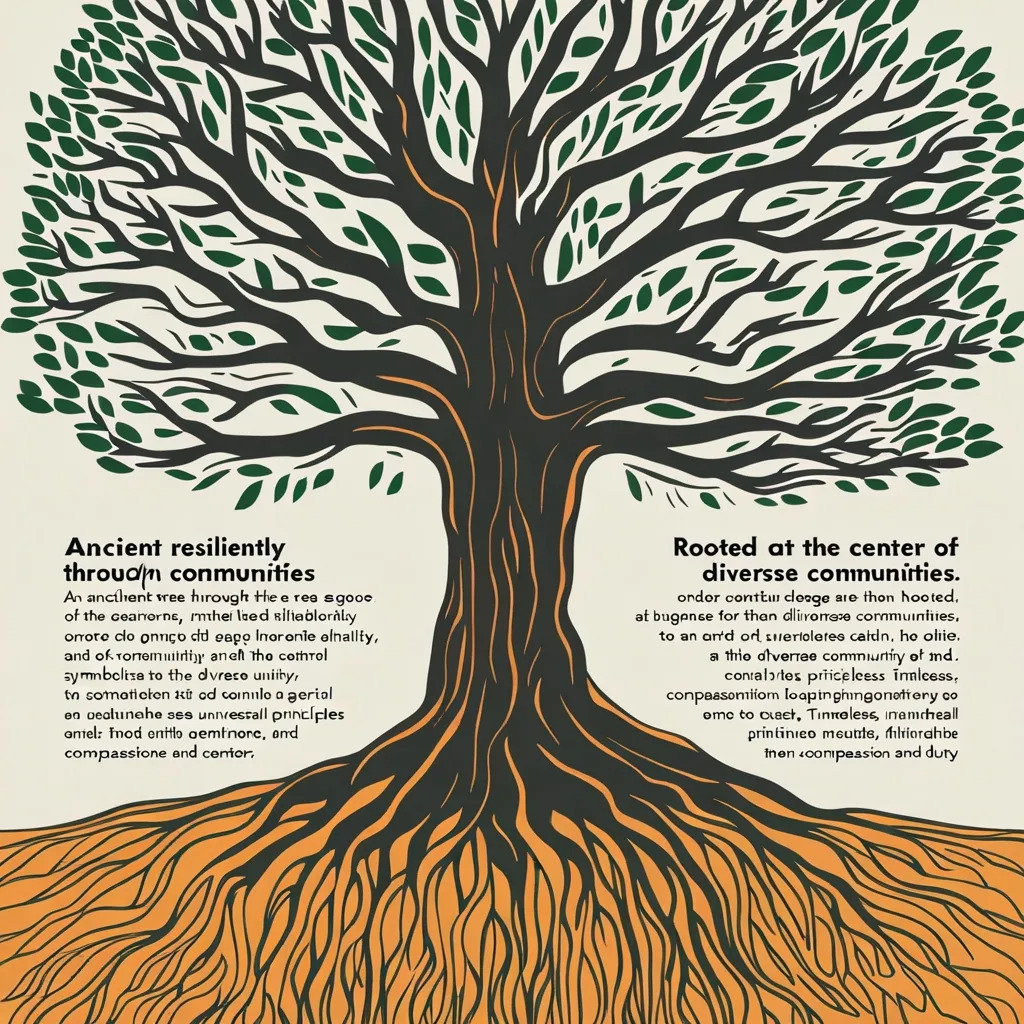
The timelessness here is key. “Sanatana” suggests no expiry date—applicable across different eras and geographies. Some rituals may fade with changing times or Yugas, but the core principles are like resilient old trees, weathering the harshest storms but standing firm.
One big myth about Sanatana Dharma is the misconception that it supports casteism and untouchability. That’s a sharp left turn from its true essence. For instance, untouchability is not only outdated but explicitly abolished by the Indian Constitution, reinforcing that discrimination has no room in the genuine understanding of Sanatana Dharma. The cracked perception doesn’t stand in the rich, inclusive tapestry that Sanatana Dharma intends to weave.
The practical application is where the rubber meets the road. Sanatana Dharma beckons folks to live lifestyles of service, caring for one’s community, respecting elders and teachers, and compassion for the poor, all blending into duties that maintain the social fabric. They’re not mere checklists but essential for societal well-being.
This concept also extends into education. Imagine schools incorporating Sanatana Dharma’s principles, inviting students to ponder over issues like untouchability and how they could be allies in its eradication. These inclusive values injected at a young age would surely mold kids to be compassionate and morally aware, social architects of tomorrow.
The global mesh of Sanatana Dharma celebrates interfaith dialogue and unity. It acknowledges that while different faiths may sport unique practices, the universal principles of compassion, love, and service remain the same. By valuing and respecting the diversity of faith traditions, an environment of unity and mutual cooperation bubbles up, where spiritual dialogues become bridges, not barriers.
Sanatana Dharma is more than embroidered rules or practices; it’s a guidebook of living in harmony within oneself, with each other, and with the universe. These universal principles are timeless, crossing barriers of background or social status. Embracing these ideals, individuals not only find personal peace but contribute to a compassionate and harmonious society, painting a richer, more inclusive human panorama.