Hinduism isn’t just about rituals and chants; it’s an emotional anchor for many. Deities in Hinduism are intertwined with the daily lives and feelings of believers, offering solace in various forms. Let’s take a closer look at how these divine beings offer comfort and support.
Hinduism boasts a vast collection of deities, each with their own unique traits and roles. These deities are believed to be manifestations of Brahman, the ultimate reality. It’s fascinating – they’re seen as part of every living and non-living thing, making them ever-present and always within reach.
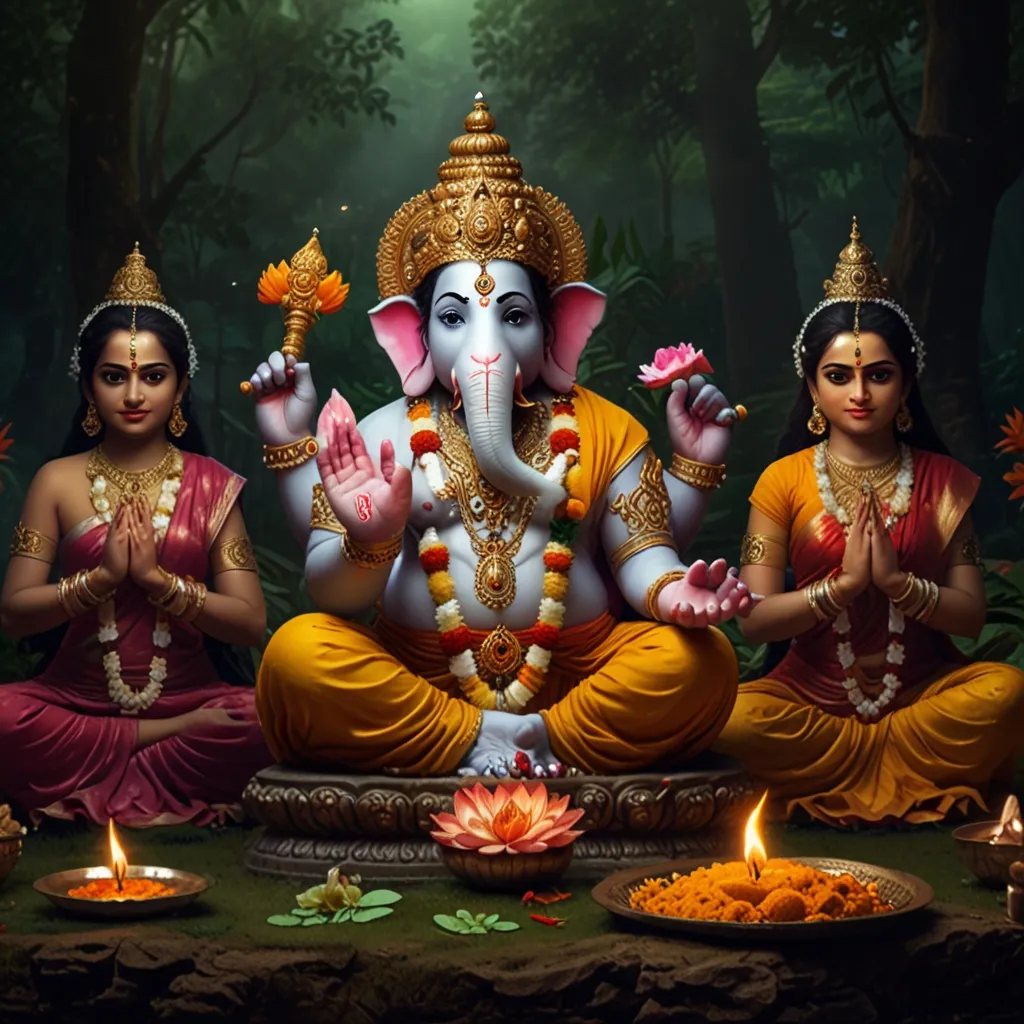
One of the key ways deities provide emotional support is by playing the role of protectors. Think about Goddess Durga, invoked as a shield against evil. Her fierce strength gives believers the confidence to face life’s challenges head-on. Then there’s Lord Ganesha, the obstacle remover. Many worship him for a smoother journey through life’s rough patches.
Hindus often build personal connections with their deities, which is a powerful form of emotional healing. Practices like meditation, yoga, and chanting mantras strengthen this bond. The sound of “OM,” for instance, is believed to link one with the divine, offering a serene sense of peace. This connection provides a sense of companionship and support through emotional ups and downs.
Hindu deities also serve as moral compasses. Take Lord Rama, for example – he’s celebrated for living a life bound by dharma (righteousness). His story is a moral playbook for Hindus, guiding them on how to live virtuously, which in turn offers emotional stability and a clear sense of direction.
Rituals and practices in Hinduism are designed to bridge the gap between believers and their deities, offering emotional comfort. Pujas (worship ceremonies) often involve prayers, flowers, and offerings to the deities. These acts foster a sense of community and shared faith, which is essential for emotional support. Festivals like Diwali and Navratri bring people together, creating feelings of belonging and happiness.
Deities aren’t just temple figures; they’re part of everyday life. Daily prayers often involve invoking deities for blessings and guidance. Lord Krishna, for example, is remembered for his wisdom and love, as mentioned in the Bhagavad Gita. His teachings on duty and detachment offer emotional resilience and strength.
Gurus, or spiritual teachers, play a pivotal role in guiding believers towards a deeper connection with their deities. They help interpret religious texts and practices, making the bond with deities more meaningful. This guidance offers emotional support by providing a clear path to spiritual growth and self-awareness.
Hindu deities often overcome tremendous challenges, serving as inspirations for believers facing their own struggles. Take Lord Hanuman, who crossed the ocean to rescue Sita, demonstrating perseverance and devotion. Stories like his remind believers that faith and determination can conquer even the toughest obstacles.
The concept of Maya (illusion) is critical in Hinduism for understanding emotional support. Maya is seen as a delusion that distracts from the true self. Deities help believers see through this illusion, leading to inner peace and emotional well-being.
In essence, Hindu deities are much more than mere objects of worship. They profoundly influence the emotional lives of believers, offering support as protectors, role models, and spiritual guides. The personal connections nurtured through practices and rituals facilitate emotional healing and stability, ensuring that Hindu deities remain a constant source of comfort and inspiration.